2026 Best Milk Producing Products for Global Buyers?
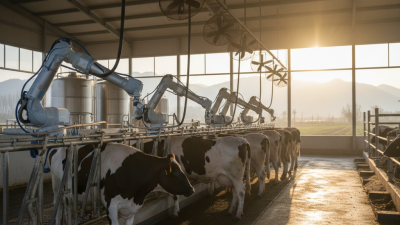
As global dairy demand changes, buyers need more than attractive yield claims. They need products that perform reliably across climates, farms, and supply chains. This guide examines the 2026 best milk producing products for global buyers, including dairy animals, milking equipment, feed solutions, breeding programs, and farm technologies. The phrase “milk producing products” is broad, so product categories must be compared carefully.
A high-yield promise can hide maintenance costs, unsuitable genetics, or weak after-sales support. It happens. A stainless-steel milking system may look efficient, yet poor cleaning can reduce milk quality and increase operational risk. Improved feed may support production, but results depend on forage quality, water access, animal health, and local conditions. These variables matter more than a polished brochure.
This guide uses practical purchasing criteria supported by veterinary guidance, manufacturer specifications, farm experience, and recognized quality standards. Buyers should review test reports, traceability records, warranty terms, spare-parts availability, and technical training before making decisions. Independent laboratory verification can strengthen confidence, although documentation is not always complete across emerging markets. Regional import rules, labeling requirements, animal-health controls, and food-safety regulations also require professional review.
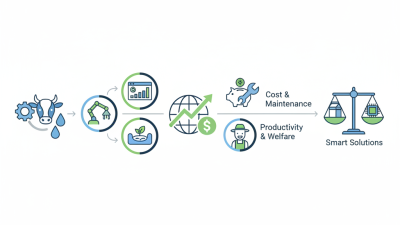
Total cost matters. Energy consumption, transport, installation, labor, replacement parts, and cleaning supplies can change the final investment significantly. Some products may perform well in one region but fail under heat, humidity, poor roads, or unstable electricity. That limitation deserves honest attention. By comparing measurable performance with real operating conditions, global buyers can identify practical options, avoid exaggerated claims, and build a more reliable dairy supply strategy for 2026.
Milk-Producing Products: Definition, Types, and Global Market Scope
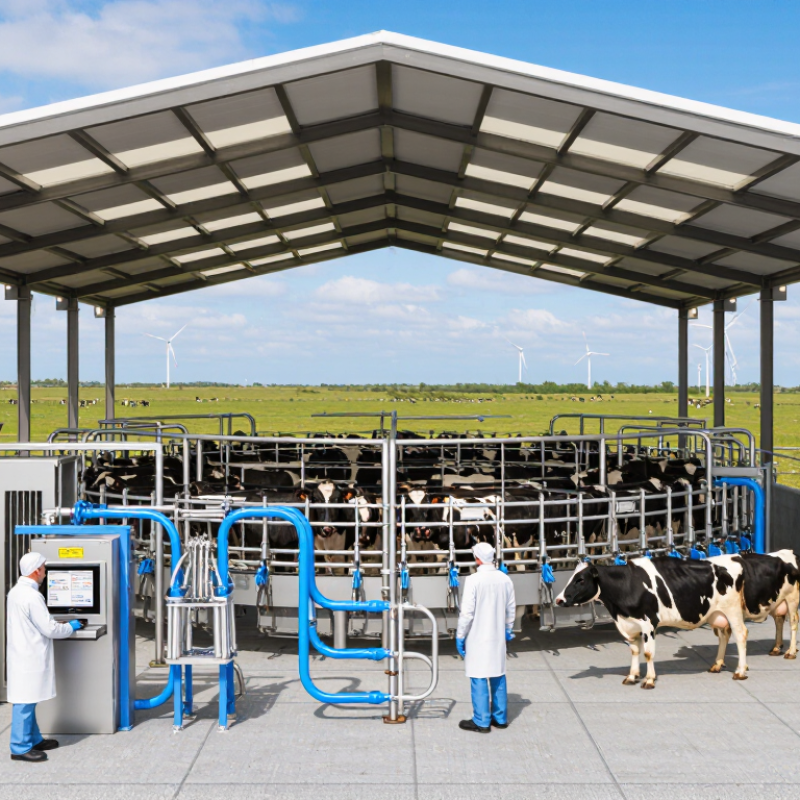
Milk-producing products are goods that support milk output, quality, and handling across the dairy chain. They include balanced feed, mineral supplements, milking machines, cooling tanks, hygiene supplies, testing tools, and processing equipment. In practice, “best” depends on herd size, climate, labor costs, and local service capacity.
The market is broad and regional. FAOSTAT estimates global milk production reached about 965 million tonnes in 2023. The OECD-FAO Agricultural Outlook 2024–2033 expects dairy demand to keep expanding, especially in Asia and Africa. However, production equipment is not equally suitable everywhere. A high-capacity milking system may reduce labor, but it can waste capital on a small farm. Cooling is often more urgent. Poor temperature control can damage milk before collection. I have seen buyers focus on output claims, while ignoring spare parts and cleaning time. That is a costly oversight.
Tip:
Compare total ownership cost, not only the purchase price. Check energy use, food-contact materials, sanitation design, warranty terms, and technician availability. Request test records for milk temperature, bacterial counts, and equipment performance. IDF’s World Dairy Situation reports also stress that quality control and efficient cold chains shape international dairy trade. Some reports use different definitions of “milk production,” so buyers should verify country coverage and measurement methods before comparing markets.
How to Evaluate Milk-Producing Products for Commercial Use
2026 Best Milk Producing Products for Global Buyers?
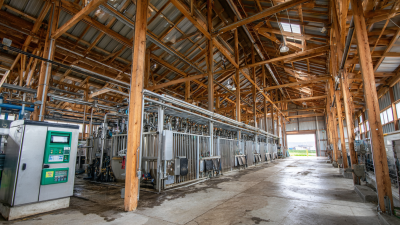
Commercial milk-producing equipment should be judged by daily performance, not attractive specifications. Buyers need to examine milking capacity, vacuum stability, cleaning time, noise levels, and operator safety. A system that handles 60 cows per hour may perform poorly in humid barns or unstable power conditions. Ask for verified test data from farms with similar herd sizes and climates.
Hygiene deserves close attention. Product-contact surfaces should resist corrosion and allow complete drainage without hidden residue. Automatic cleaning systems need clear water, temperature, detergent, and maintenance requirements. Check whether replacement seals, liners, pumps, and sensors are available locally. Delayed parts can stop production for days. That cost is easy to underestimate.
Reliable evaluation also includes animal welfare and staff training. Gentle milking reduces stress, while clear controls help workers avoid operating mistakes. Suppliers should provide installation records, safety documents, warranty terms, and technical support in the buyer’s language. Confirm compliance with local electrical, food safety, and machinery rules. Do not rely only on certificates. Inspect the service process.
A spreadsheet can look precise.
I would not pretend that the cheapest system is always inefficient. For a small farm, simple equipment may be more dependable than advanced automation. However, buyers should calculate energy use, labor hours, cleaning water, downtime, and repair costs over several years. A practical trial, witnessed by experienced operators, often reveals problems that brochures do not.
Global Sourcing Standards, Certifications, and Supplier Requirements
Global Sourcing Standards, Certifications, and Supplier Requirements
Global buyers seeking milk and dairy products need more than competitive pricing. The OECD-FAO Agricultural Outlook 2024–2033 projects global milk production to grow by about 1.6% annually. This expansion increases pressure on suppliers to prove safety, consistency, and traceability.
Start with documented farm-to-factory controls. Suppliers should provide batch identification, farm records, transport temperatures, and certificates of analysis. Key tests often include microbiological counts, antibiotic residues, aflatoxin M1, moisture, protein, and somatic cell levels. Codex standards offer a useful international reference for milk composition and hygiene. However, importing countries may apply stricter limits.
Certification matters.
Buyers commonly request ISO 22000, HACCP-based systems, or schemes recognized by the Global Food Safety Initiative. Valid certificates should be checked directly, including scope, site address, expiry date, and audit status. A certificate is useful, but it is not proof of every shipment. That distinction is easy to miss.
Reliable suppliers also maintain cold-chain records and recall procedures. They should explain how nonconforming batches are isolated within hours, not days. Contract terms can require independent testing before loading and random verification after arrival. These steps add cost, yet weak controls create larger losses through rejected cargo and disrupted production. The FAO Dairy Market Review highlights continuing volatility in feed, energy, and dairy trade conditions, so buyers should assess financial resilience as well as product quality. No checklist is perfect. Regular audits, transparent data, and practical communication remain essential.
2026 Market Trends and Buying Considerations for International Buyers
Global dairy buying in 2026 will be shaped by supply growth, affordability, and logistics. The OECD-FAO Agricultural Outlook 2024–2033 projects global milk production to rise by about 1.6% annually. Growth will remain concentrated in Asia, where population and income changes support demand. For international buyers, milk powder offers easier storage and transport than liquid milk. UHT milk can serve retail markets with limited refrigeration. Every format has trade-offs.
The FAO Food Outlook highlights continuing sensitivity to feed costs, weather, and energy prices. These factors can quickly change export offers. Buyers should compare protein content, moisture, solubility, packaging strength, and production dates. A damaged 25-kilogram bag can erase a low-price advantage. Not glamorous, but important. Shelf-life testing should reflect the destination’s heat and humidity, not only laboratory conditions.
Food safety evidence matters more than attractive specifications. Buyers should request laboratory results, traceability records, allergen controls, and certificates aligned with Codex standards and local import rules. The USDA Dairy: World Markets and Trade reports also show how currency movements and regional production affect dairy trade flows. Forecasts are useful, but imperfect. I would avoid relying on one report or one annual quotation. Trial shipments, independent testing, and clear contract terms can reveal problems before full-scale purchasing begins.