Best Food Paper Box Machine for Efficient Packaging Solutions?
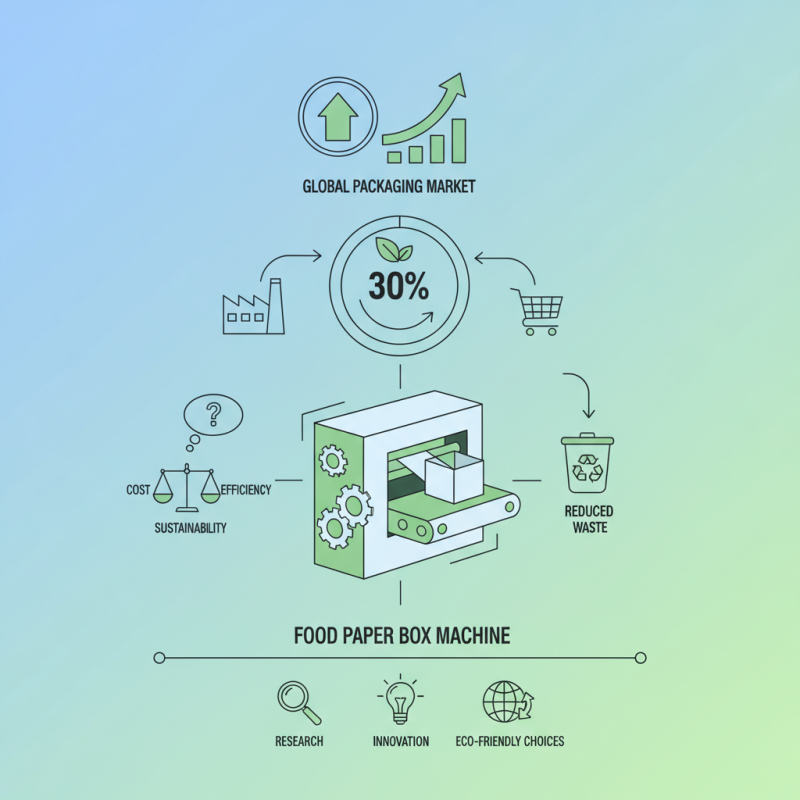
The demand for packaging solutions has surged in recent years, with the global packaging market expected to reach $1 trillion by 2024. This growth is fueled by the increasing need for sustainable and efficient packaging. One solution that stands out is the Food Paper Box Machine. This machine plays a crucial role in delivering environmentally friendly packaging options for food products.
The efficiency of a Food Paper Box Machine can significantly enhance productivity. Many businesses report up to a 30% increase in production rates after integrating advanced packaging technologies. Moreover, as consumer preferences shift towards eco-friendly packaging, companies face mounting pressure to adopt sustainable practices. The Food Paper Box Machine not only meets these demands but also helps in reducing overall waste.
However, some challenges persist in choosing the right machine. Variability in manufacturing quality and operational efficiency can lead to performance issues. Companies need to carefully assess their needs and the machine’s capabilities. Continuous research and innovation in technology promise improvements, yet many businesses remain unsure about the best options available. Balancing cost, efficiency, and sustainability requires careful consideration.
Overview of Food Paper Box Machines and Their Importance
Food paper box machines play a crucial role in the packaging industry. They provide efficient solutions for various food products, ensuring safety and convenience. According to a recent market analysis, the food packaging machinery sector is projected to grow by over 7% annually. This highlights the increasing demand for reliable packaging systems.
These machines streamline the packaging process, reducing labor costs and enhancing productivity. In facilities where space is limited, compact paper box machines are essential. They offer flexibility for different box sizes and shapes. However, integrating new technology can pose challenges. Some companies face difficulties in training staff to operate advanced machinery.
Tip: Regular maintenance of packaging machines is vital for optimal performance. Routine checks can prevent breakdowns and prolong equipment life.
Investing in high-quality food paper box machines not only meets hygiene standards but also supports sustainable practices. As consumers become more eco-conscious, biodegradable materials are in demand. Companies that overlook this shift may face backlash.
Tip: Consider conducting market research to identify packaging trends. Staying informed can improve your competitive edge.
Key Features to Consider When Choosing a Food Paper Box Machine
When selecting a food paper box machine, several key features deserve attention. Efficiency is paramount. A machine that runs smoothly can increase production rates. According to industry reports, automated systems can boost output by up to 30%. This can significantly reduce labor costs. Speed and accuracy in cutting and folding are vital aspects as well. These features not only enhance quality but also reduce waste.
Another important factor is the adaptability of the machine. Different food products require various box designs. Machines that can quickly switch between designs offer versatility. Research indicates that flexible machines appeal to more manufacturers. Additionally, energy consumption is a crucial consideration. Machines with lower energy demands lead to cost savings. However, balancing energy efficiency with performance is not always straightforward. Manufacturers must reflect on how to meet both demands effectively.
Lastly, after-sales support is essential. A machine might be perfect initially but could require ongoing maintenance. Reliable customer service can prevent downtime. According to a survey, 70% of businesses prioritize after-sales support when choosing equipment. This highlights the need for a holistic approach in decision-making.
Types of Food Paper Box Machines for Different Packaging Needs
When exploring food paper box machines, it's essential to understand the various types available. Different packaging needs require specific machine capabilities. For instance, a basic box forming machine is ideal for smaller businesses. It can create simple designs quickly and efficiently. These machines are suitable for various food items, from snacks to baked goods.
On the other hand, more advanced models offer customization options for unique designs. Some machines can print logos or designs directly on the box. This feature allows for branding while maintaining efficiency. However, investing in such technology may be challenging for smaller operations, leading to potential scalability issues.
A major consideration is the size and volume of production. Larger operations may necessitate high-speed machines to keep up with demand. Conversely, small-scale manufacturers might face difficulties in justifying costs. Each type of machine has its advantages and setbacks. It's crucial to assess your specific needs before making a decision.
Best Food Paper Box Machine Types for Packaging Solutions
Efficiency and Cost-Effectiveness in Food Packaging Solutions
In the food packaging industry, efficiency and cost-effectiveness are vital. Recent studies show that companies using automated food paper box machines can reduce packaging costs by up to 30%. This reduction comes from decreased labor costs and increased processing speed. A machine can produce thousands of boxes per hour, which is crucial for high-demand environments.
In contrast, smaller operations that rely on manual packaging struggle with inconsistencies. Manual processes can introduce errors, leading to wasted materials and time. According to a report by the Food Packaging Association, over 15% of packaged food products are affected by packaging defects. This statistic highlights the need for reliable machinery that ensures uniform quality.
However, not all machines are created equal. Some may offer rapid output but compromise on design flexibility. Investing in machine technology requires careful consideration of specific needs. Research indicates that 20% of businesses face downtime due to equipment failure. Addressing these challenges is key to enhancing overall efficiency and profitability in food packaging.
Maintaining and Troubleshooting Food Paper Box Machines for Longevity
Maintaining food paper box machines is crucial for ensuring their longevity. Regular maintenance helps prevent unexpected breakdowns. Start with daily checks of the machine’s components. Look for wear and tear, especially on moving parts. Small issues can lead to significant problems if left unchecked. Familiarize yourself with the manual to understand specific maintenance requirements.
Troubleshooting can be tricky. Sometimes, machines may misalign during operation. Simple adjustments can often solve such problems. Use appropriate tools to correct misalignments. Additionally, cleaning the machine regularly is essential. Dust and debris can accumulate, affecting performance. It’s easy to overlook cleaning, but neglecting it may lead to more complex issues later.
Operators often underestimate the importance of consistent training. Knowledgeable staff can identify issues before they escalate. Investing in training enhances operational efficiency. Regular workshops can keep skills updated. Machines may not perform well with inexperienced operators. Taking time to educate them prevents mistakes that might lead to costly repairs.