Best Milk Producing Products You Need to Know for Higher Yields
The global dairy industry is experiencing a significant transformation, driven by the continuous quest for higher milk yields and improved production efficiency. According to a report by the Food and Agriculture Organization (FAO), global milk production reached approximately 900 million tons in 2020, with an expected growth trajectory fueled by innovations in dairy farming practices and the development of advanced milk producing products. As dairy farmers seek to optimize their outputs, the adoption of scientifically formulated supplements and feed additives has become increasingly crucial.
The effectiveness of milk producing products cannot be overstated, as they play a vital role in enhancing not only the quantity but also the quality of milk produced. The International Dairy Federation (IDF) highlights that the use of such products can lead to milk yield increases of up to 20%, significantly impacting both profitability and sustainability within the dairy sector. By harnessing the potential of these innovative solutions, farmers can better meet the rising global demand for dairy while simultaneously addressing challenges such as animal health, fertility, and environmental impact.
In this context, understanding the best milk producing products available on the market becomes essential for dairy professionals aiming to maximize their operational efficiency. It is imperative to stay informed about the latest advancements and research findings that can influence the selection and implementation of these products, ultimately driving the success of dairy enterprises in an increasingly competitive landscape.

Understanding the Importance of Milk Production in Agriculture
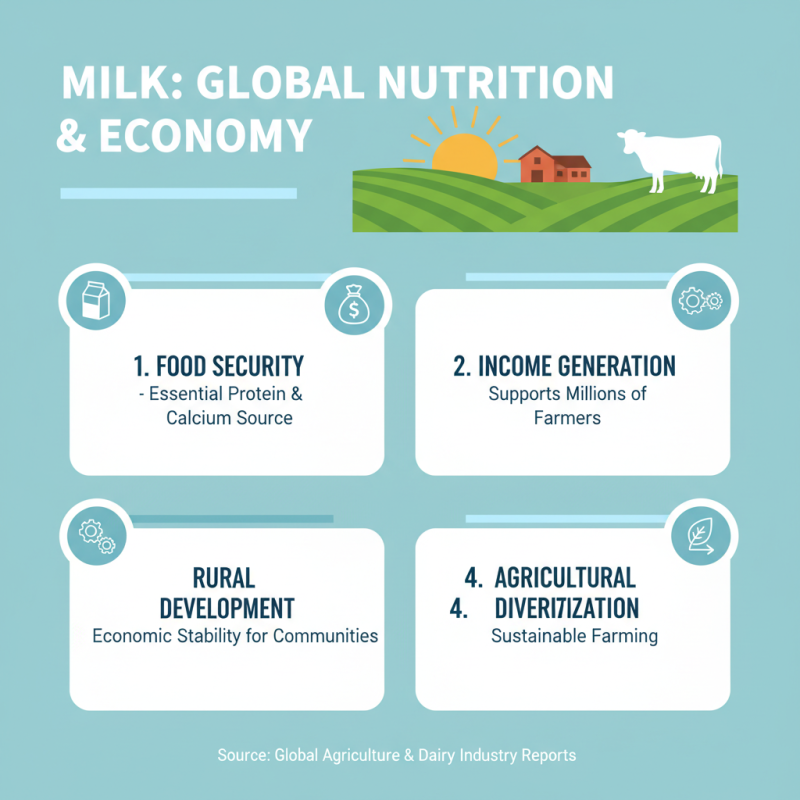
Milk production plays a crucial role in agriculture, serving as a significant source of income and sustenance for many farming communities worldwide. It contributes not only to the nutritional needs of the population but also to the economic stability of rural areas. The dairy industry supports millions of livelihoods and fosters agricultural diversification, making it an essential component of food security.
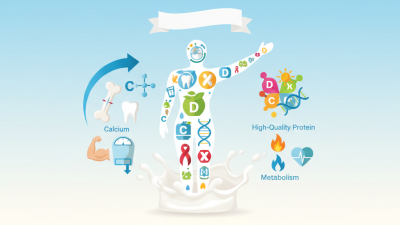
Understanding the importance of milk production extends beyond just the financial aspects. Milk is a vital source of essential nutrients such as calcium, protein, and vitamins, which are important for human health. By optimizing milk production processes, farmers can enhance yields and ensure a steady supply of this nutritious commodity. Moreover, advancements in milk-producing technologies, animal husbandry, and feed management are critical for improving quality and efficiency, ultimately benefiting both producers and consumers. Emphasizing sustainable practices in dairy farming is also vital to preserve natural resources and promote environmental stewardship, ensuring that future generations can continue to benefit from milk production.
Key Nutritional Components for Dairy Cows to Enhance Milk Yields
The nutritional components that feed dairy cows are crucial for enhancing milk yields, as they directly influence the health, reproduction, and productivity of these animals. According to the National Dairy Farm Survey, optimizing diet formulations and incorporating essential nutrients can lead to an increase of up to 15% in milk production annually. Key nutritional components include energy-dense feeds that are rich in carbohydrates, which are vital for maximizing metabolic energy and supporting higher milk output.
Additionally, proteins play a pivotal role in milk production, with studies indicating that diets with a balanced ratio of amino acids inspire greater milk synthesis. Furthermore, essential minerals like calcium, magnesium, and phosphorus are indispensable for maintaining strong bone structure and overall health, which indirectly affects milk yield. The Dairy Nutrition Association recommends that dairy diets should contain at least 0.9% calcium and around 0.45% phosphorus to prevent deficiencies and ensure optimal lactation.
By focusing on these key nutritional components, dairy farmers can implement strategies that not only enhance milk yields but also promote the long-term welfare and productivity of their herds.
Innovative Feeding Practices for Higher Milk Production Efficiency
Innovative feeding practices play a crucial role in enhancing milk production efficiency. A key approach is the implementation of precision feeding, which tailors the diet of dairy cows to their specific nutritional needs. By utilizing advanced technologies, such as feed intake monitoring systems, farmers can identify the optimal feed composition for each individual cow. This ensures that cattle receive the right balance of carbohydrates, proteins, vitamins, and minerals, maximizing their health and, consequently, their milk yield.
Another effective strategy is the incorporation of high-quality forages and alternative feed sources. Research has shown that feeding cows nutritious forages, such as clover or alfalfa, can improve digestibility and nutrient absorption. Additionally, incorporating by-products from other agricultural processes, like distiller's grains or soybean hulls, not only provides essential nutrients but also helps in cost management. Enhancing the diet with such innovative feed options can lead to improved milk quality and increased production levels, ultimately supporting the economic viability of dairy operations.
Lastly, the timing and frequency of feeding can significantly impact milk production. Adopting a more frequent feeding schedule helps maintain optimal rumen health and encourages better milk flow. Through careful planning of feed times and amounts, dairy farmers can create a stable feeding environment that supports consistent milk yields throughout the lactation cycle. This blend of innovative practices fosters an efficient and sustainable approach to milk production, securing higher yields and profitability in the long term.
Milk Production Efficiency by Feed Type
This chart illustrates the efficiency of different feeding practices in milk production. The data represents the average yield (in liters per day) for various feed types used in dairy farming.
Top Milk Producing Breeds to Consider for Optimal Yield
When considering optimal milk production, selecting the right breed is crucial. Among the top milk-producing breeds, Holsteins are often highlighted for their impressive genetic potential. Known for their striking black-and-white coats, they are not only aesthetically pleasing but also the most popular dairy breed worldwide due to their ability to produce high volumes of milk consistently. Their productivity can reach upwards of 22,000 pounds of milk per year, making them an ideal choice for dairy farmers seeking to maximize output.
Another breed to consider is the Jersey, renowned for the quality of their milk rather than just quantity. Jerseys have a higher butterfat content compared to other breeds, resulting in richer milk ideal for cheese and butter production. Their adaptability to various environmental conditions and efficient feed conversion rates make them a sustainable choice for dairy operations focused on both quality and profitability.
Additionally, the Guernsey breed is noted for its ability to thrive on pasture-based diets, which can lower feed costs while still providing commendable milk yields. The balance between milk quality and production capabilities makes these breeds a smart option for those looking to enhance their dairy operations.
Technological Advancements in Dairy Farming for Increased Milk Output
Technological advancements in dairy farming have revolutionized the industry, significantly boosting milk output and enhancing operational efficiency. Innovations such as precision farming, automated milking systems, and data analytics are becoming increasingly common. According to a report by the Food and Agriculture Organization (FAO), the integration of these technologies can lead to a 20-30% increase in milk production. Farmers are now empowered with real-time data that enables them to monitor cow health, optimize feed efficiency, and improve overall herd management.
Moreover, the application of artificial intelligence (AI) in dairy farming offers predictive analytics that help farmers make informed decisions regarding breeding, nutrition, and health management. Utilizing these technologies not only maximizes productivity but also enhances sustainability practices by minimizing waste and reducing the environmental impact of dairy farming. The U.S. Department of Agriculture (USDA) has noted that farms adopting advanced technologies report lower operational costs alongside increased milk yields.
Tips: For farmers looking to implement these advancements, consider investing in robust data management tools to track production metrics and identify areas for improvement. Additionally, explore partnerships with tech companies to stay updated on the latest innovations that can benefit your farm. Training staff on new technologies will also help in seamlessly integrating these systems into daily operations, ensuring that both human and technological resources work together for optimal results.
Best Milk Producing Products You Need to Know for Higher Yields
| Product Type |
Description |
Benefits |
Usage Frequency |
Expected Yield Increase (%) |
| High-Protein Feed |
Feed enriched with protein to enhance milk production |
Increases milk protein levels |
Daily |
10-15% |
| Probiotics |
Live microorganisms that improve gut health |
Enhances digestion and nutrient absorption |
Weekly |
5-10% |
| Milking Robots |
Automated systems for milking cows |
Increases milking efficiency and cow comfort |
Multiple times daily |
15-20% |
| Calcium Supplements |
Supplements for enhanced milk production |
Supports lactation health |
Monthly |
8-12% |
| Heat Stress Management |
Cooling systems and dietary changes to combat heat |
Reduces stress and improves milk production |
Seasonal |
10-15% |