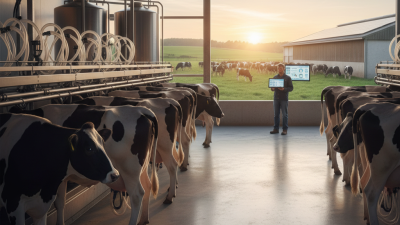

Choosing the right dairy cow milking equipment is crucial for farm efficiency. In recent years, the dairy industry has seen a shift towards advanced technologies that enhance productivity. According to a 2022 industry report, automated milking systems can improve milk yield by up to 30%. This innovation allows farmers to optimize their operations.
Farmers must consider various factors when selecting milking equipment. Equipment should meet specific standards, such as ISO or CE certifications. These standards ensure safety and reliability. However, not all products on the market adhere. It requires careful evaluation and reflection.
Moreover, the dairy sector faces challenges with equipment choices. While automation offers benefits, it also demands a significant initial investment. Understanding long-term benefits versus immediate costs is essential. Equipment needs may vary significantly based on farm size and operation methods. Always consider individual farm requirements.
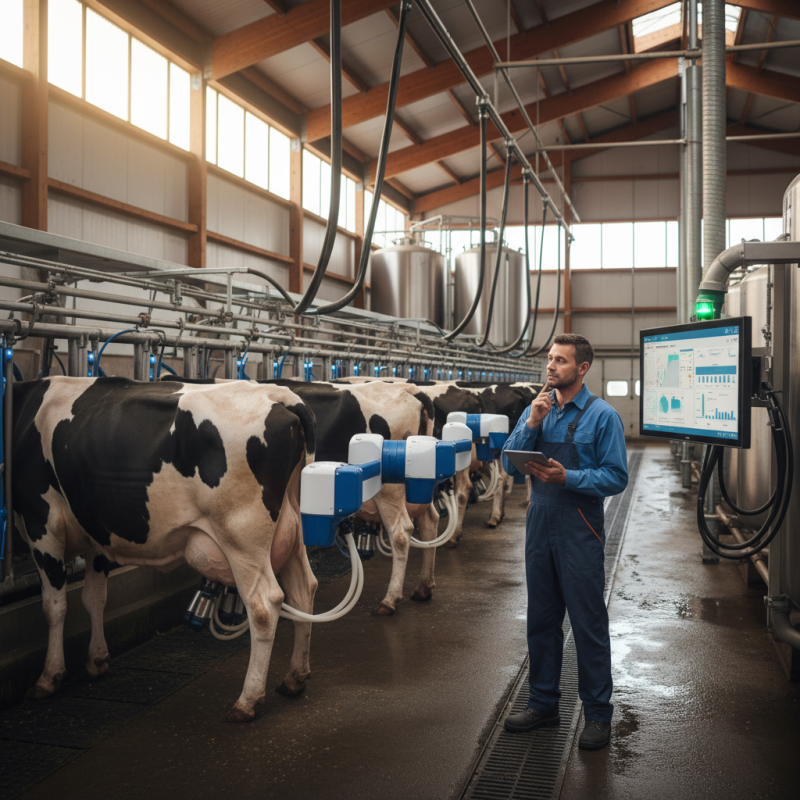
Understanding your farm's milking needs is crucial for selecting the best dairy cow milking equipment. Each farm is unique, with different herd sizes and milk production goals. Identifying your specific needs helps in making informed choices. For instance, consider the number of cows you have. A small farm may not require the same capacity equipment as a larger operation. Knowing your herd size ensures efficiency and effectiveness.
The milking process also varies depending on your setup. Some farms may benefit from automated systems, while others might prefer traditional milking methods. Analyze the layout of your barn and the flow of cattle during milking. Equipment that doesn't fit well can cause stress for both cows and workers. It’s sometimes easy to overlook these details, but they can make a significant difference.
Budget constraints are another factor to think about. Quality equipment may come with a higher price tag, but cutting corners can lead to larger issues down the line. Consider maintenance needs, too. Regular upkeep is essential for equipment longevity. Some farmers invest in more expensive equipment, only to struggle with maintenance later. Reflecting on these aspects can guide you in making better choices, even if it’s a bit challenging.
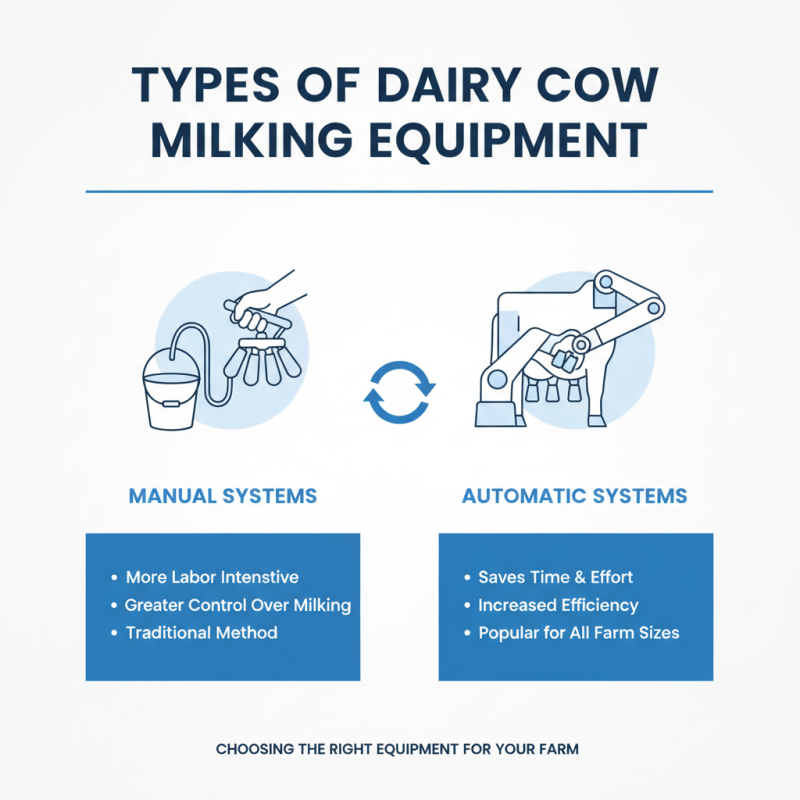
When selecting dairy cow milking equipment, knowing the types available is essential. There are manual and automatic systems. Manual systems require more labor but allow for greater control. Automatic systems save time and effort, making them increasingly popular on farms of all sizes.
Consider the vacuum pump as one crucial component. It creates suction to draw milk from the cow. Make sure to check its efficiency and maintain it regularly. Cleanliness is key; dirty equipment can harm milk quality.
Tips: Invest in good quality hoses. They should be durable yet flexible. Look for easy-to-clean materials. Regular inspections can prevent breakdowns. Remember to assess your herd's size. This will help you choose the right capacity for your farm's needs.
Choosing the right dairy cow milking equipment is crucial for your farm's efficiency. Several factors come into play during this decision. Consider the size of your herd. Larger herds may require more robust systems that can handle higher volumes. Smaller farms might opt for simpler, less costly solutions.
Tips: Always analyze your current and future needs. Growth can be unpredictable. Ensure your equipment can scale. Look into ease of cleaning and maintenance. Complicated systems may save time but can lead to issues down the line.
Evaluate the cow comfort factor as well. Stress in cows can reduce milk yield. Equipment that fits well and operates smoothly reduces discomfort. Additionally, consider the technology features. Some systems offer advanced data tracking for better management.
Tips: Research those technologies thoroughly. Not every farm needs high-end solutions. Remember that training your staff is vital. Equipment is only as good as its operators. Sometimes, outdated methods work better in practice.
When evaluating the cost and maintenance of milking systems, farmers often overlook crucial factors. Initial costs can vary significantly. According to a recent industry report, milking equipment can range from $10,000 to over $200,000. This wide range includes various systems, capacities, and technologies. Understanding the specific needs of your dairy operation is essential. It determines the type of milking system that fits your budget and goals.
Maintenance costs also play a pivotal role. Regular maintenance is necessary to ensure efficiency. Studies show that farms that invest in routine servicing experience up to 15% lower downtime. Neglecting maintenance can lead to costly repairs, sometimes exceeding the original equipment costs. A simple breakdown during peak milking hours could cost farmers hundreds in lost production.
Moreover, consider the labor aspects. Automated systems may reduce manpower but can incur higher repair costs. It’s vital to balance automation benefits with long-term maintenance expenses. Understanding these factors can help you make informed decisions for your farm's productivity and profitability.
This chart illustrates the cost comparison of different milking equipment options for dairy farming, showcasing the investment required for Parlor Systems, Robotic Milking, Bucket Milking, and Pipeline Milking.
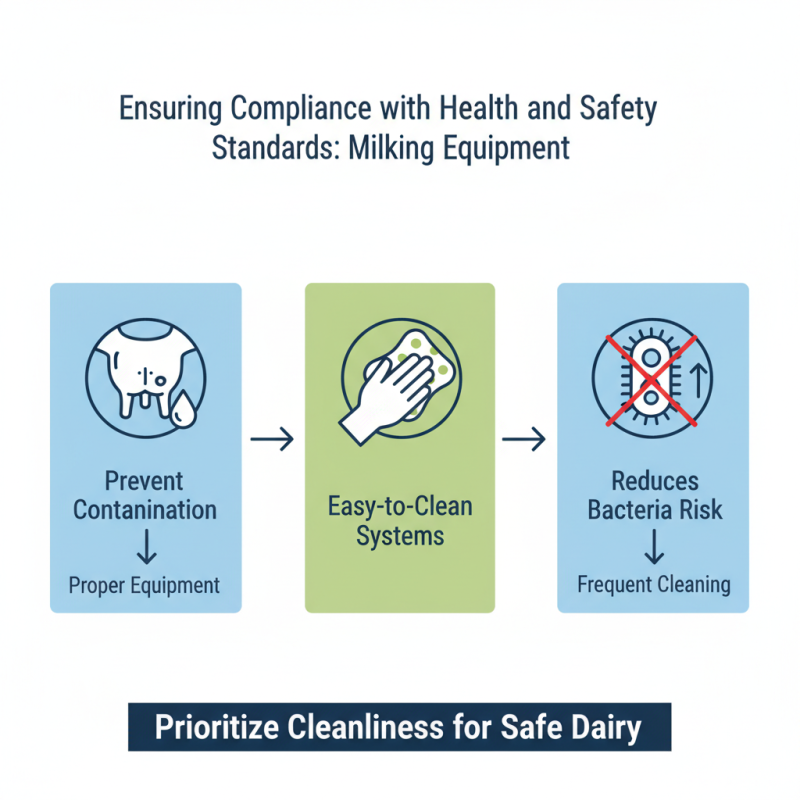
When choosing milking equipment, compliance with health and safety standards is crucial. Proper equipment helps prevent contamination. Look for systems that are easy to clean. Frequent cleaning reduces the risk of bacteria.
Consider the materials used in the equipment. Stainless steel is often preferred, as it is durable and easy to sanitize. Inspecting all seals and fittings is essential. Gaps can lead to bacterial growth. Regular maintenance will keep equipment in top condition.
Remember, even the best equipment requires proper training. Workers must understand safety protocols. They need to recognize potential hazards. An investment in training can reduce accidents. It's not just about equipment; it's about building a safety culture on the farm. Compliance is an ongoing effort, and regular audits can help ensure standards are met.