How to Choose the Best Dairy Equipment for Your Farm in 2025
In the ever-evolving landscape of dairy farming, selecting the right dairy equipment is crucial for maximizing productivity and ensuring sustainability. By 2025, advancements in technology and shifts in consumer demand are expected to result in significant changes within the dairy equipment sector. According to a recent report by the International Dairy Federation, the global dairy equipment market is projected to grow at a CAGR of 6.1%, reaching an estimated value of $18 billion by 2025. This indicates a rising need for farmers to invest wisely in equipment that not only enhances efficiency but also aligns with modern agricultural practices.
Industry expert Dr. James Albright, a renowned dairy consultant, emphasizes, “The choice of dairy equipment can either enhance or hinder your overall farm operation. Optimal investment decisions made now can lead to substantial gains in productivity down the line.” As farmers look towards the future, considerations such as automation, energy efficiency, and compliance with environmental standards will be paramount in guiding their equipment choices. By carefully evaluating these factors, dairy producers can ensure they select the best dairy equipment to maintain competitive advantage in a rapidly changing industry.
Understanding Your Dairy Farm's Specific Needs
When selecting the best dairy equipment for your farm in 2025, it is crucial to first understand the specific needs of your dairy operation. This involves evaluating the size of your farm, the type of dairy cows you are raising, and the production goals you have set for the upcoming years. Each farm has unique requirements that can significantly influence the equipment choices. For smaller farms, multifunctional machines that conserve space and reduce costs may be ideal, while larger operations might benefit from advanced technologies that enhance productivity and efficiency.
Another key aspect is considering the workflow on your dairy farm. Assess the processes involved in milking, feeding, and managing the health of your herd. Equipment should seamlessly integrate into your existing workflow to minimize disruptions and maximize output. Furthermore, prioritizing equipment that offers scalability can help accommodate future growth. This approach ensures that your investment today aligns with your long-term goals, ultimately supporting a sustainable and profitable dairy operation.
Evaluating Different Types of Dairy Equipment Available
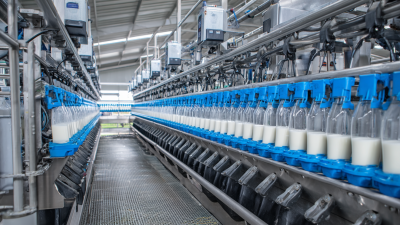
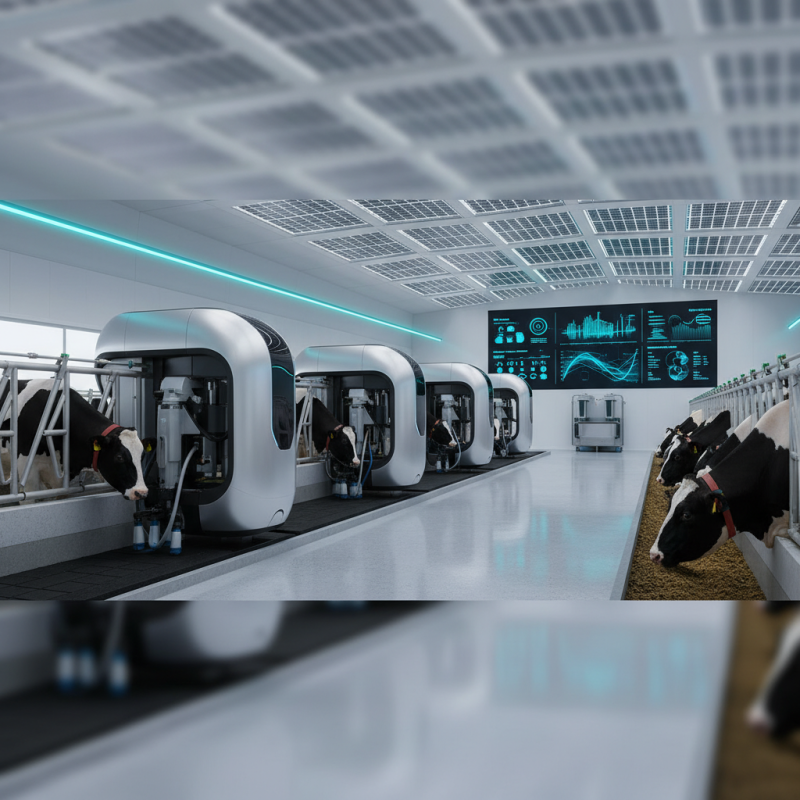
When evaluating different types of dairy equipment for your farm in 2025, it’s crucial to consider the specific needs of your operations. Recent industry reports indicate that automatic milking systems are gaining popularity due to their efficiency and ability to reduce labor costs. According to a survey by the International Dairy Federation, around 30% of dairy farms are expected to adopt such systems in the next few years, highlighting a significant shift towards automation in the industry. Additionally, equipment that enhances milk quality, such as high-efficiency cooling tanks, is becoming essential. These tanks not only preserve milk quality but also comply with stricter food safety standards, making them a worthy investment.
Tip: Always assess the scalability of the equipment. As your dairy farm grows, having adaptable machinery will ensure long-term benefits and operational efficiency. It is also advisable to consider energy-efficient models, as they significantly reduce operational costs over time and reflect a growing trend toward sustainability in farming practices.
When reviewing available equipment, prioritize features that streamline processes and improve productivity. For instance, modern feeding systems that use precision technology can optimize feed intake, leading to better milk yields and healthier cows. Reports suggest that farms implementing such technology have seen up to a 15% increase in milk production. By focusing on innovations that align with your farming goals, you can make informed decisions that will benefit your farm in both the short and long term.
Considering Technological Advancements in Dairy Equipment
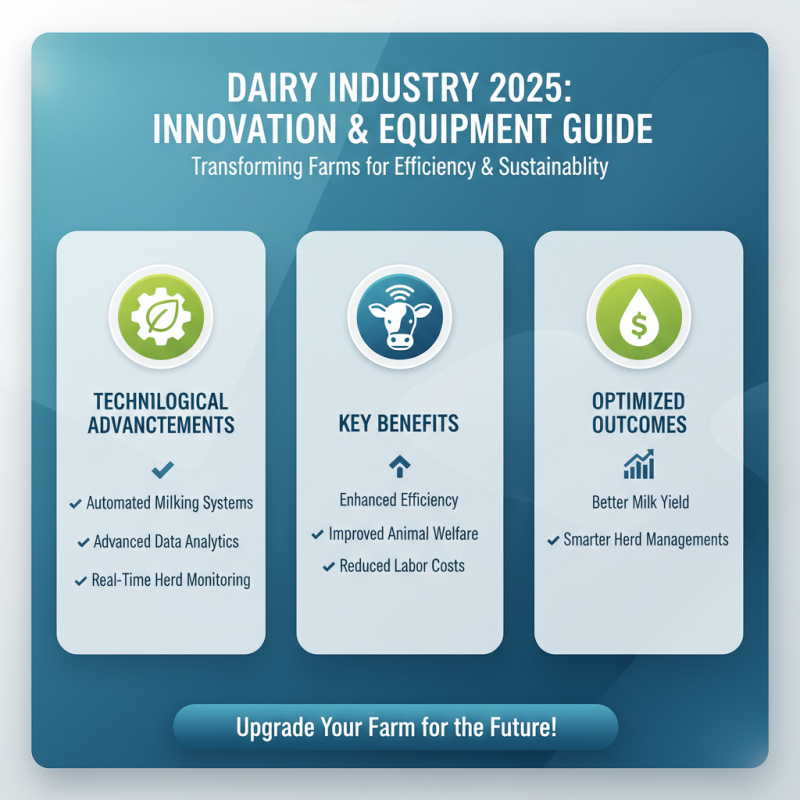
As we move into 2025, the dairy industry is undergoing significant transformation driven by technological advancements. When selecting dairy equipment for your farm, it's crucial to consider innovations that enhance efficiency, sustainability, and animal welfare. Automated milking systems, for instance, have revolutionized the milking process, allowing for better milk yield and improved herd management. These systems integrate advanced data analytics, providing real-time insights into herd health and production levels, which can optimize operations and reduce labor costs.
Furthermore, energy-efficient equipment is becoming increasingly important in dairy farming. With rising energy costs and environmental concerns, investing in energy-conscious technologies like heat recovery systems and LED lighting can minimize your farm's carbon footprint while also lowering operating expenses. Additionally, smart sensors and IoT devices are playing a vital role in monitoring everything from temperature control in barns to feed management, ensuring animals are kept in optimal conditions. Overall, understanding these technological innovations will enable dairy farmers to make informed choices about equipment that not only meets current needs but also anticipates future challenges in the industry.
Assessing Budget and Financing Options for Equipment Purchases
When choosing dairy equipment for your farm in 2025, assessing your budget and financing options is paramount. According to the USDA's recent report, farmers are expected to allocate approximately 30% of their operational budgets to equipment purchases over the next decade. This significant investment necessitates a strategic approach to financing, especially in an era where interest rates can greatly influence overall costs.
Farmers can explore various financing options such as loans, grants, and leasing arrangements. The USDA Farm Service Agency and the Farm Credit System provide specialized loans designed for agricultural equipment, often with lower interest rates and flexible repayment terms. Additionally, utilizing government grants focused on sustainable farming practices may help alleviate some financial burdens. Research indicates that farms which leverage financing wisely can enhance their operational efficiency and overall profitability. For instance, a recent agricultural study found that farms using modern automated milking systems saw a 20% increase in milk yield, emphasizing the potential return on investment when financing crucial upgrades appropriately.
Moreover, when budgeting for dairy equipment, farmers must consider the total cost of ownership, which includes not just the initial purchase price but also maintenance, energy consumption, and potential resale value. A comprehensive understanding of these factors can help farm owners make informed decisions that align with their financial capabilities and growth objectives in a competitive market.
Budget Allocation for Dairy Equipment Purchases in 2025
Researching and Reviewing Suppliers and Customer Feedback
When selecting dairy equipment for your farm, thorough research into suppliers and customer feedback is paramount. According to a report by the International Dairy Federation, approximately 60% of dairy farmers prioritize user reviews and testimonials as a critical part of their purchasing decisions. This demonstrates the increasing reliance on peer feedback in evaluating equipment options. Investing time in understanding the experiences of other farmers can provide invaluable insights into the equipment's performance, reliability, and durability.
Moreover, it is essential to scrutinize supplier reputations. A 2023 study published in the Journal of Dairy Science highlighted that 75% of successful dairy operations invest in multiple sources of supplier information, comparing customer reviews, industry reports, and supplier certifications. This multifaceted approach enables farmers to identify trustworthy suppliers who are responsive to their needs and can provide ongoing support. Engaging with agricultural networks and forums can help gather real-time data and opinions, further aiding in making informed choices about the best dairy equipment for a successful operation in 2025.
How to Choose the Best Dairy Equipment for Your Farm in 2025
| Equipment Type |
Supplier Rating |
Price Range ($) |
Customer Feedback |
Warranty Period (Years) |
| Milking Machine |
4.5/5 |
5000 - 12000 |
Very Reliable |
2 |
| Pasteurizer |
4.2/5 |
8000 - 15000 |
Efficient but Expensive |
3 |
| Cooler |
4.0/5 |
3000 - 7000 |
Good Performance |
1.5 |
| Feed Mixer |
4.3/5 |
2500 - 6000 |
User-Friendly |
2 |