2025 How to Choose the Best Dairy Equipment for Your Farm Production
Choosing the right dairy equipment for your farm production is crucial for optimizing efficiency and ensuring the health and quality of your livestock. As advancements in technology continue to reshape the dairy farming landscape, farmers are faced with an array of options that can significantly impact their operations. Whether you are a new dairy farmer or an established producer looking to upgrade, understanding the features and benefits of various dairy equipment is essential to making an informed decision.
In this guide, we will explore the key considerations you need to take into account when selecting dairy equipment. Factors such as the scale of your production, your specific dairy processes, and the importance of sustainability will all play a role in determining what equipment best fits your needs. Additionally, we will discuss how modern dairy equipment can enhance productivity, reduce labor costs, and improve overall herd management. By the end of this guide, you will have the knowledge necessary to invest wisely in dairy equipment that will support your farm’s growth and success.

Understanding Dairy Equipment Requirements for Your Farm
Understanding the specific requirements of your dairy farm is crucial when selecting the best dairy equipment. Firstly, consider the scale of your operation.
A small-scale farm may benefit from compact, efficient machinery designed for a lower volume of milk production, while a larger enterprise may require more robust systems that can handle significant quantities.
Pay attention to the type of dairy products you plan to produce, as equipment needs can differ greatly between fluid milk production, cheese making, or yogurt.
Analyzing your production processes will help in identifying the necessary tools for efficient operation.
Another key factor is the technological aspects of dairy equipment. Modern advancements can significantly enhance efficiency and productivity in dairy farming.
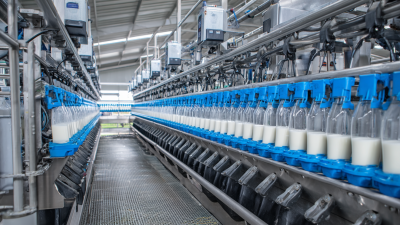
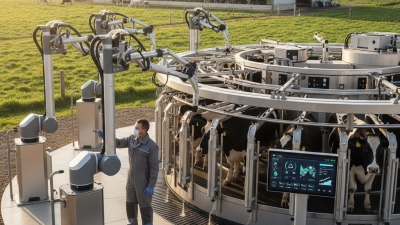
Look for equipment that automates routine tasks, such as milking and cleaning, to save labor time and reduce the risk of human error. Additionally, evaluate energy consumption and maintenance needs, as choosing energy-efficient machines can lead to long-term savings and less environmental impact. Properly assessing these requirements will not only ensure smoother operations but also contribute to the overall productivity and sustainability of your dairy farm.
Evaluating Different Types of Dairy Equipment Available
When evaluating different types of dairy equipment for your farm production, it's crucial to consider not just the immediate needs but also the long-term efficiency and sustainability of your operations. According to the Dairy Research Institute, over 20% of dairy farmers report that outdated equipment contributes to their production inefficiencies. Therefore, investing in modern milking systems, pasteurizers, and storage solutions is essential to enhance your milk quality while reducing labor costs.
Additionally, the North American Dairy Equipment Market is projected to grow at a CAGR of 5.2% from 2021 to 2026, illustrating the increasing importance of advanced technology in dairy farming. Factors such as automation, energy efficiency, and user-friendly design should guide your equipment selection process. For instance, automated milking systems not only improve cow comfort but also allow for precision management of feed intake and milk output, which can lead to a 10-15% increase in production efficiency, according to recent studies conducted by the International Dairy Federation.
Ultimately, by carefully evaluating your options and adopting equipment that meets both your immediate and long-term operational goals, you can ensure a thriving dairy farm that adapts to the evolving landscape of the dairy industry.
Factors to Consider When Selecting Dairy Equipment
When selecting dairy equipment for your farm, several key factors should be taken into account to ensure optimal production efficiency and animal welfare. First, assessing the scale of your operation is crucial. Smaller farms may need portable or basic equipment, while larger operations might require more advanced machinery that can handle higher volumes of milk processing. Additionally, consider the type of dairy farming you are engaged in—whether it's focused on milk production, cheese making, or other dairy products—as this will dictate specific equipment requirements.
Another important factor is the technology and automation level of the equipment. Modern dairy farms increasingly rely on technology for monitoring and managing their operations. Equipment that offers automation features can significantly reduce labor costs and improve productivity. Furthermore, energy efficiency should not be overlooked. Choosing equipment that minimizes energy consumption can lead to substantial cost savings over time and demonstrates a commitment to sustainable farming practices. Lastly, evaluating the ease of maintenance and the availability of service support can influence long-term success and reliability of your dairy operations.
Budgeting for Dairy Equipment: Cost vs. Efficiency
When budgeting for dairy equipment, it's crucial to strike a balance between cost and efficiency. The initial purchase price of equipment can be misleading. While lower-cost options may seem attractive, they often lack the efficiency and durability required for sustained production. Investing in higher-quality equipment typically leads to better long-term performance, lower maintenance costs, and increased productivity. This is particularly important in a competitive market, where maximizing output can significantly impact overall profitability.
Moreover, it's essential to consider not only the upfront costs but also the operational expenses associated with the equipment. Energy efficiency, for instance, plays a significant role in reducing ongoing expenses. Equipment that consumes less power or requires fewer labor hours can contribute to substantial savings over time. Additionally, evaluating the equipment's compatibility with current farm operations can enhance workflow efficiency, minimizing downtime and optimizing milk production processes.
By approaching budgeting with a comprehensive understanding of both immediate costs and long-term gains, farmers can make informed decisions that support the sustainability and growth of their dairy operations.
Maintenance and Support: Ensuring Long-Term Equipment Performance
When investing in dairy equipment for your farm, maintenance and support are crucial for ensuring long-term performance and efficiency. Regular maintenance schedules should be established to keep machinery in peak operating condition. This includes routine inspections, cleaning, and timely repairs. Creating a checklist for maintenance tasks can help farmers stay organized and proactive, ultimately preventing unexpected breakdowns that could disrupt production.
Moreover, choosing equipment that comes with reliable support options can greatly enhance the longevity of your investment. This may include looking for suppliers that offer comprehensive service plans, warranties, and readily available technical support. It’s beneficial to establish a relationship with suppliers who understand your specific needs and can provide tailored advice on maintaining your equipment. By prioritizing maintenance and establishing strong support channels, farmers can ensure that their dairy operations remain productive and efficient for years to come.
2025 How to Choose the Best Dairy Equipment for Your Farm Production - Maintenance and Support: Ensuring Long-Term Equipment Performance
| Equipment Type |
Features |
Maintenance Frequency |
Support Options |
Expected Lifespan (Years) |
| Milking Machine |
Automated milking, real-time monitoring |
Monthly |
24/7 phone support, online resources |
10-15 |
| Pasteurizer |
Temperature control, energy efficient |
Quarterly |
Field service, warranty packages |
12-20 |
| Tank and Storage |
Insulated, easy access |
Biannually |
Scheduled inspections, parts availability |
15-25 |
| Feeding System |
Automated feeding, customizable settings |
Monthly |
Remote troubleshooting, user manuals |
6-12 |
| Cooling System |
Energy-efficient, quiet operation |
Annual |
Regular maintenance, emergency service |
10-15 |