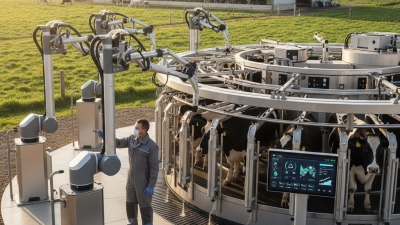
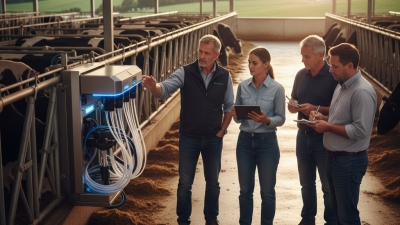
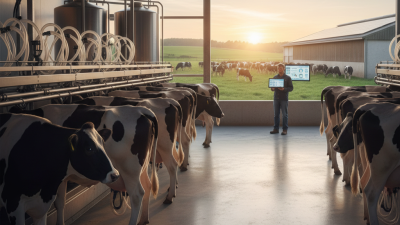
What is Dairy Milking Equipment and How Does It Work?
The dairy industry has experienced significant advancements in recent years, particularly in dairy milking equipment. According to a report by MarketsandMarkets, the global dairy equipment market was valued at approximately $18 billion in 2021 and is expected to grow at a CAGR of 5.3% by 2026. This growth highlights the increasing demand for efficient and hygienic milking solutions.
Industry expert Dr. Emily Thompson, a renowned figure in dairy technology, states, “Modern dairy milking equipment is not just about efficiency; it’s about ensuring the health and welfare of the cows.” This perspective emphasizes the evolving role of technology in safeguarding animal welfare while improving productivity.
Despite these advancements, challenges remain. Many farmers still rely on outdated equipment, missing out on efficiency gains. Moreover, the transition to new systems can be daunting and costly. Such realities prompt reflection on the need for better education and support in adopting modern dairy milking equipment. The journey toward innovation in dairy farming is ongoing, requiring commitment and cooperation from all stakeholders involved.
Overview of Dairy Milking Equipment
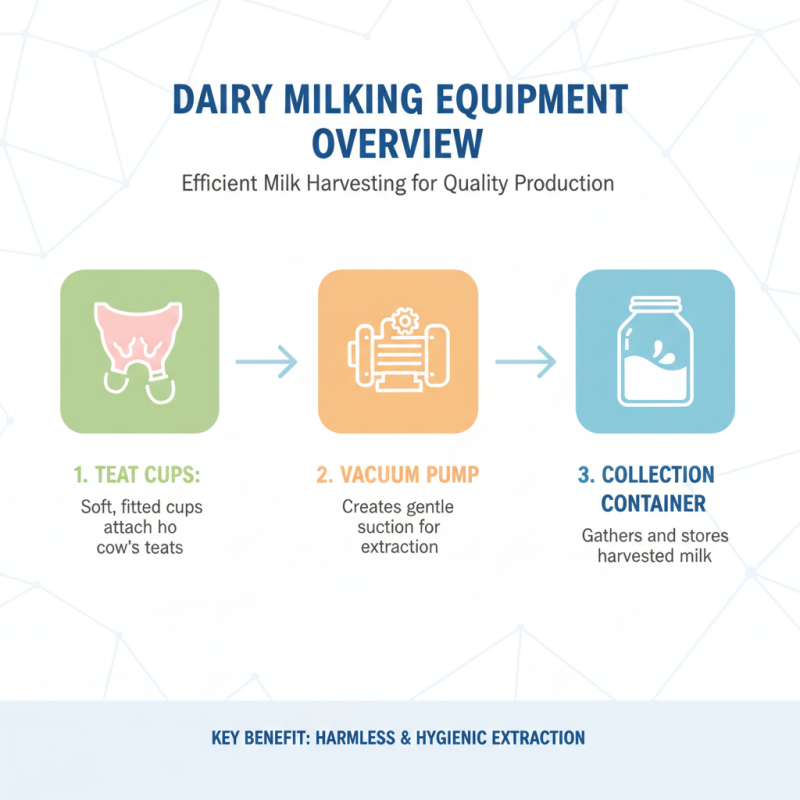
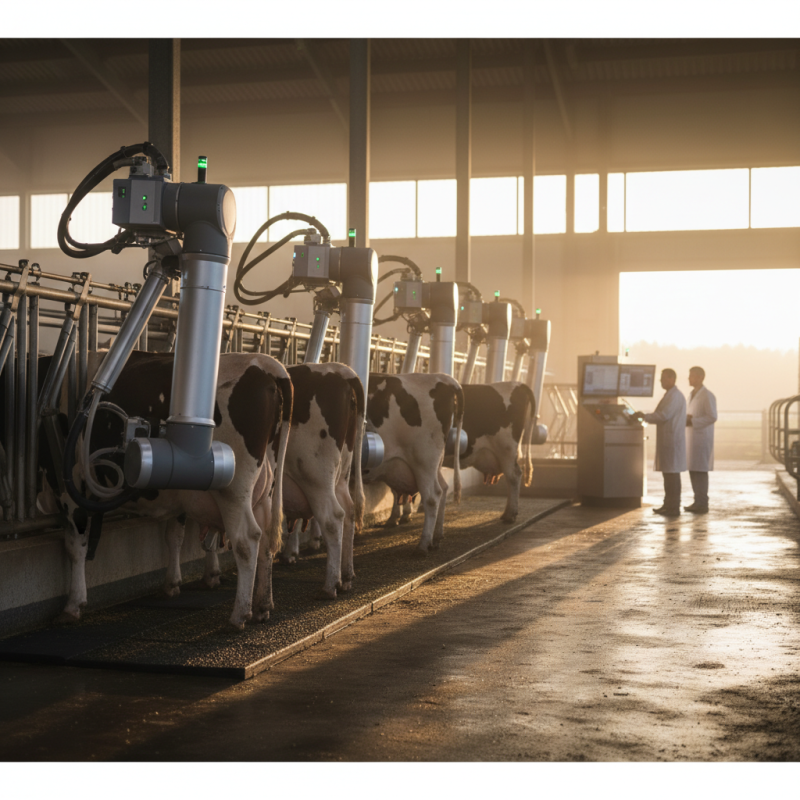
Dairy milking equipment plays a vital role in modern farming. It helps efficiently harvest milk from cows, ensuring high-quality production. Various tools are used, each designed for specific tasks. Commonly, milking machines consist of a vacuum pump, teat cups, and a collection container. These parts work together to create a gentle suction, allowing milk extraction without harming the cow.
Maintaining this equipment is crucial. Farmers should regularly inspect hoses and fittings. Checking for leaks is essential to avoid contamination. Inadequate maintenance may lead to lower milk quality or decreased cow health. Remember, not all equipment fits every farm’s needs. Each operation is unique, and farmers must assess their specific circumstances before investing.
Tips: Always prioritize cow comfort during milking. Stress can affect milk yield and quality. Investigate different systems to find the best fit. A well-suited setup can improve efficiency and well-being. Regular training on equipment use also enhances performance and reduces mishaps. Farmers must reflect on their practices to adapt and improve continually.
Types of Dairy Milking Equipment Used in Farms
Dairy milking equipment is essential in modern farming. It can significantly increase efficiency on dairy farms. Various types of equipment serve different needs. The most common tools include milking machines, pipelines, and storage tanks.
Milking machines automate the extraction of milk. They minimize the physical labor required. Reports suggest that automated systems can improve milking efficiency by 30%. However, they require regular maintenance. If neglected, issues can arise, leading to milk wastage.
Pipelines transport milk directly from the cow to storage tanks. This reduces contamination risks. According to industry data, farms using pipelines experience a 15% reduction in spoilage. Still, installation can be costly and complex. Farmers must consider the long-term benefits versus initial expenses. Each type of equipment comes with pros and cons, demanding critical evaluation from farm operators.
Dairy Milking Equipment Usage by Type
How Dairy Milking Equipment Operates
Dairy milking equipment is essential for modern farms. It automates the process of extracting milk from cows. The equipment typically includes a milking machine, vacuum pump, and milk storage tank. When a cow is ready to be milked, the machine attaches to its teats. This action is essential for both efficiency and animal welfare.
The milking machine works using vacuum pressure. It creates a gentle suction that extracts milk without causing discomfort. Sensors monitor the flow of milk. When the cow stops producing, the machine releases automatically. This technology minimizes stress for the animal and helps farmers manage time better.
Yet, there are challenges. Misalignment can occur, leading to discomfort for the cow. If not cleaned properly, bacteria can grow, affecting milk quality. Regular maintenance is crucial to avoid these problems. Farm operators must stay informed and make adjustments as needed. Continuous learning about the equipment can significantly enhance efficiency and animal care.
Maintenance and Care of Milking Equipment
Proper maintenance and care of dairy milking equipment is crucial for ensuring efficiency and hygiene. According to a study by the Dairy Research Institute, well-maintained milking machines can improve milk yield by up to 10%. Regular cleaning of all components helps prevent bacterial contamination, which can spoil milk quality. Equipment should be sanitized daily using approved solutions. Equipment parts like hoses and milking clusters should be inspected weekly for wear and tear.
Tips: Always check seals and fittings for leaks. A small crack can lead to significant losses over time.
Routine maintenance includes checking suction levels and replacing worn-out parts. The National Dairy Farm Sustainability Framework states that farms that schedule routine checks see fewer operational issues. This leads to higher productivity and lower costs in the long run.
Tips: Keep a maintenance log. Documenting repairs helps identify recurring issues.
Ignoring maintenance can cause unexpected breakdowns, resulting in downtime. Farmers often underestimate the impact of poor equipment care. It can lead to serious operational challenges that affect the whole farm. Regular attention can make a significant difference in productivity and overall success.
Innovations in Dairy Milking Technology
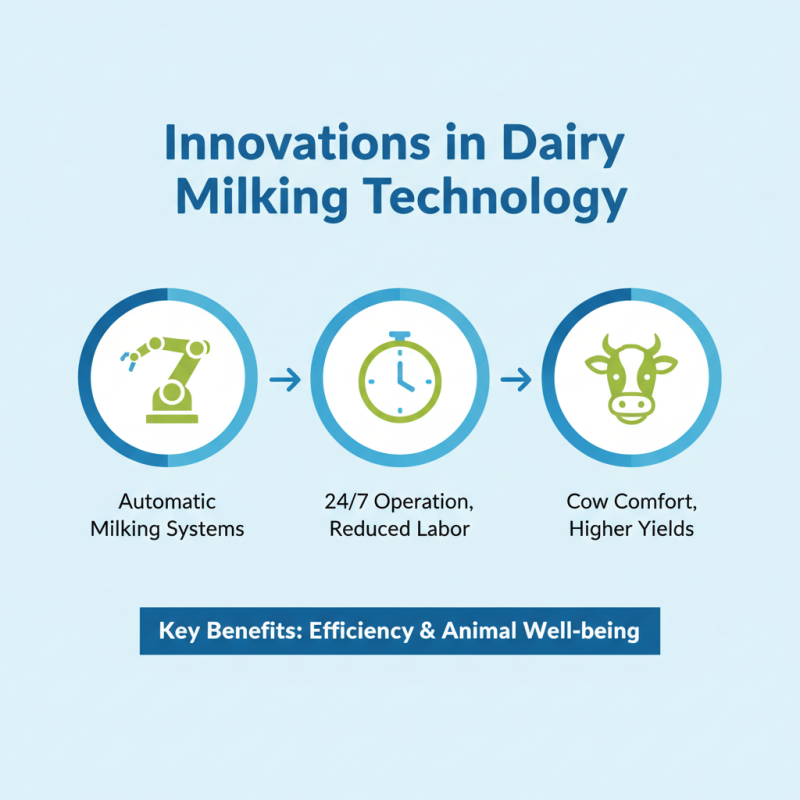
Recent advancements in dairy milking technology have revolutionized the industry. Automatic milking systems, for example, are now widely used. These innovations reduce labor while increasing efficiency. Milking robots can operate around the clock. They allow cows to choose when they want to be milked. This results in reduced stress for the animals and potentially higher milk yields.
Another exciting development is the integration of smart technology. Sensors are increasingly being used to monitor cow health. These sensors can track individual cow data, like milk production and health indicators. This data helps farmers make informed decisions. However, some farmers may struggle with the transition to such technology. It requires an initial investment and training.
Despite these advancements, challenges remain. Not all farms can afford the latest equipment. Additionally, some farmers are hesitant to embrace new technologies. They worry about reliability and maintenance. It’s important to weigh the benefits against the costs. Overall, while technology in dairy milking is promising, it’s not without its hurdles.