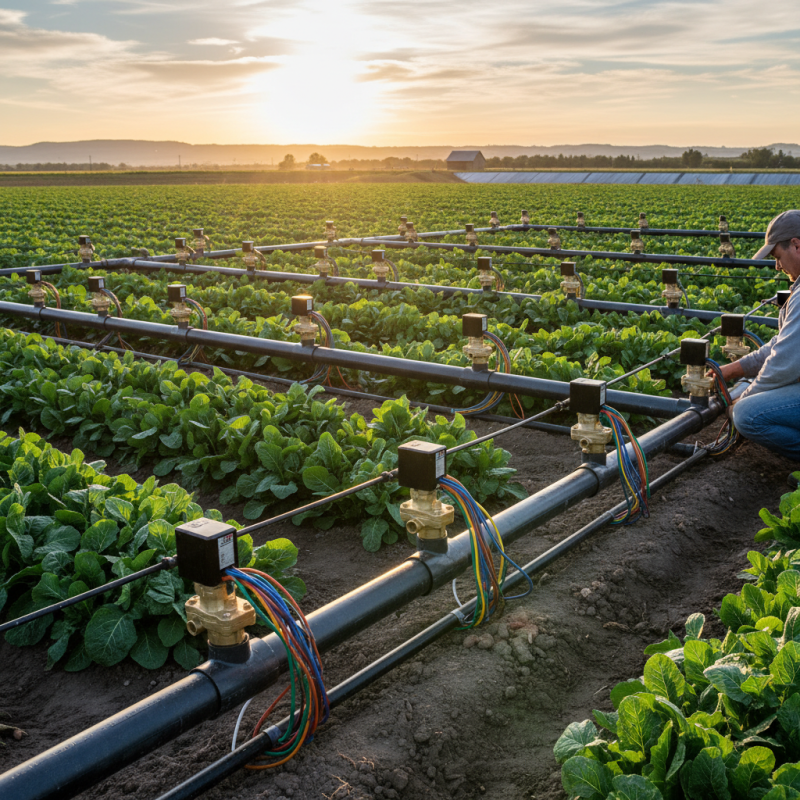
How to Use Solenoid Valves in Irrigation Systems Effectively?
In the world of modern agriculture, the use of solenoid valves in irrigation systems has become increasingly vital. Renowned agricultural engineer John Smith emphasizes, "Efficient irrigation starts with reliable components." A solenoid valve in an irrigation system regulates water flow, ensuring crops receive the right amount of water.
These valves automate the irrigation process, saving labor and time. However, improper installation can lead to leaks or system failures. Inadequate maintenance may also hinder performance. Therefore, farmers must prioritize regular checks and proper training for staff.
Understanding the dynamics of a solenoid valve in an irrigation system involves more than just installation. It’s essential to grasp the nuances of water pressure, flow rates, and the specific needs of different crops. Each detail matters, and mistakes can be costly.
Understanding the Functionality of Solenoid Valves in Irrigation
Solenoid valves play a crucial role in irrigation systems. They control the flow of water through pipes with ease. Activated by electrical signals, these valves open and close automatically based on the system's needs. This automation allows for precise control over watering schedules. For large areas, they can greatly enhance efficiency.
Understanding how these valves function is essential for optimal use. Each valve operates based on direct current or alternating current. The choice depends on your irrigation setup. Proper installation is key. Incorrect positioning may lead to leaks or inconsistent water distribution. Regular maintenance is also needed. Ignoring small issues can lead to bigger problems later.
Trials and errors often occur when using solenoid valves. It's common to misjudge the timing of irrigation cycles. Observations should be made regularly to improve settings. Keep an eye on the pressure changes in the system. Documenting performance can guide future adjustments. Finding the perfect balance takes time and patience. Overall, using solenoid valves effectively can enhance the health of your garden or farm.
Types of Solenoid Valves Suitable for Irrigation Systems
In irrigation systems, choosing the right solenoid valve is critical for efficiency. There are several types suitable for various applications. Common types include normally closed, normally open, and latching solenoid valves. Each type serves a distinct purpose in controlling water flow. According to industry reports, normally closed valves dominate with approximately 70% of the market share. These valves are favored for most irrigation setups, providing automatic shut-off when not energized.
Additionally, normally open solenoid valves offer a different advantage. They permit flow when activated. This setup is ideal for systems requiring continuous water supply under certain conditions. Latching solenoid valves, though less common, are energy-efficient. They maintain their position without continuous power, reducing energy consumption by about 80%, according to recent studies.
Choosing the right type involves understanding your system's needs and limitations. Some farmers struggle with valve compatibility, leading to inefficiencies. Installing the wrong type can result in improper water management. Ensuring you select the correct valve type is essential for achieving optimum results in your irrigation system.
Types of Solenoid Valves Suitable for Irrigation Systems
Installation Guidelines for Solenoid Valves in Irrigation Systems
When installing solenoid valves in irrigation systems, precise guidelines can make a significant difference. Proper placement is critical. Valves should be positioned close to the water source and downstream of any filtration systems. This setup reduces water pressure loss and filter clogs, enhancing overall efficiency. Research shows that positioning valves this way can improve system performance by up to 15%.
During installation, consider the compatibility of the valve with the existing setup. Choose valves that match pipe sizes and pressure ratings. An incompatible valve can lead to leaks or system failures. To maintain optimal function, regular checks are necessary. A survey indicates that 30% of irrigation issues arise from valve malfunctions.
It’s essential to ensure safe wiring and connection to the electrical system. Faulty wiring can cause the solenoid to fail, disrupting irrigation cycles. Keeping the electronics dry and protected from moisture will prolong valve life. Electric errors contribute to nearly 25% of operational problems in irrigation systems, highlighting the need for attention to this detail. Regular maintenance can significantly reduce these failure rates.
Optimal Control Methods for Solenoid Valves in Irrigation
In modern irrigation systems, effective control of solenoid valves is crucial. Reports indicate that optimizing the operation of these valves can increase water efficiency by up to 30%. Properly timed activation reduces water waste during application, which is essential in regions facing water scarcity. However, implementing these optimal control methods is not without challenges.
A key approach is integrating sensors for real-time data collection. These sensors can monitor soil moisture levels, ensuring that solenoid valves engage only when necessary. Studies suggest that systems using such technology can achieve precise irrigation, thereby preventing overwatering. Yet, some operators may neglect regular maintenance of these sensors, leading to inefficiencies.
Another technique is programming timed schedules for solenoid valves. A surprising number of systems operate on outdated cycles. Adjusting these schedules based on seasonal changes can enhance performance. Many irrigation professionals fail to revisit their programming settings frequently, which can result in less effective water distribution. Addressing these shortcomings in management practices is vital for better irrigation efficiency.
Maintenance Practices for Longevity of Solenoid Valves in Irrigation Systems
Maintaining solenoid valves is crucial for an effective irrigation system. Regular inspection is vital. Check for leaks and corrosion to prevent damage. Dust and debris can buildup, obstructing valve function. Clean the exterior of the valves to avoid dirt accumulation. Moisture can also corrode internal parts. Keeping the area around the valve dry is important.
Seasonal checks enhance the longevity of these valves. During winter, disconnect power to prevent freezing issues. If left unattended, freezing can cause cracking. It's a good practice to manually operate the valve periodically. This ensures the mechanism moves freely. Regular lubrication can also aid in reducing wear and tear.
Think about the condition of your water source. Hard water can create deposits that reduce valve efficiency. Consider installing a filter to improve water quality. Neglecting these details might lead to unexpected failures. Addressing maintenance issues promptly can save time and resources later. Regular care will ensure your solenoid valves perform optimally through the seasons.