Essential Milking Parlour Equipment Tips for Smart Buyers?
Investing in milking parlour equipment is crucial for dairy farmers aiming for efficiency and productivity. According to a 2022 report by the International Dairy Federation, dairy farming contributes to global food security, producing over 860 million tons of milk annually. Efficient milking systems can increase milk yield by 10-20% while minimizing labor costs. Smart buyers should prioritize equipment that enhances both animal welfare and milking efficiency.
Choosing the right milking parlour equipment requires thoughtful consideration. Factors such as technology integration, maintenance needs, and energy consumption are vital. Reports suggest that outdated equipment can lead to significant losses, with annual costs exceeding thousands in repairs and downtime. Ensuring reliability while also investing in advanced technology can be a balancing act, with many buyers facing challenges in distinguishing between essential features and unnecessary add-ons.
In the quest for optimal milking solutions, reflections on past decisions often emerge. Many farmers regret not conducting thorough research before purchasing. It’s essential to assess how equipment aligns with specific operational needs and future growth. Making informed decisions can prevent wasted resources and improve overall dairy farm performance.
Essential Types of Milking Parlour Equipment for Dairy Operations
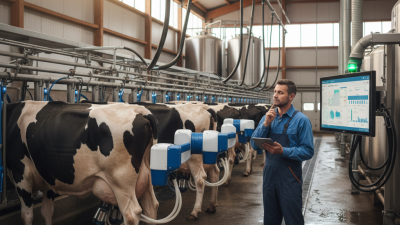
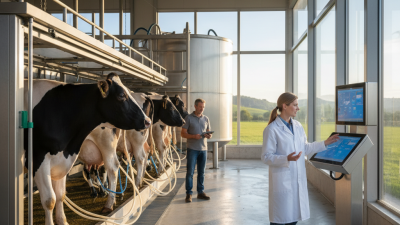
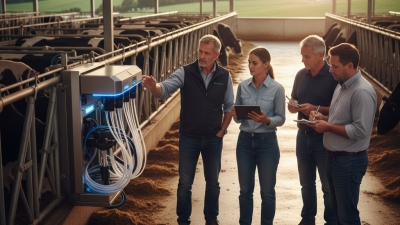
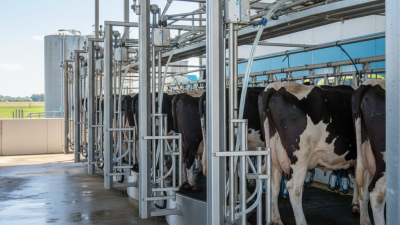
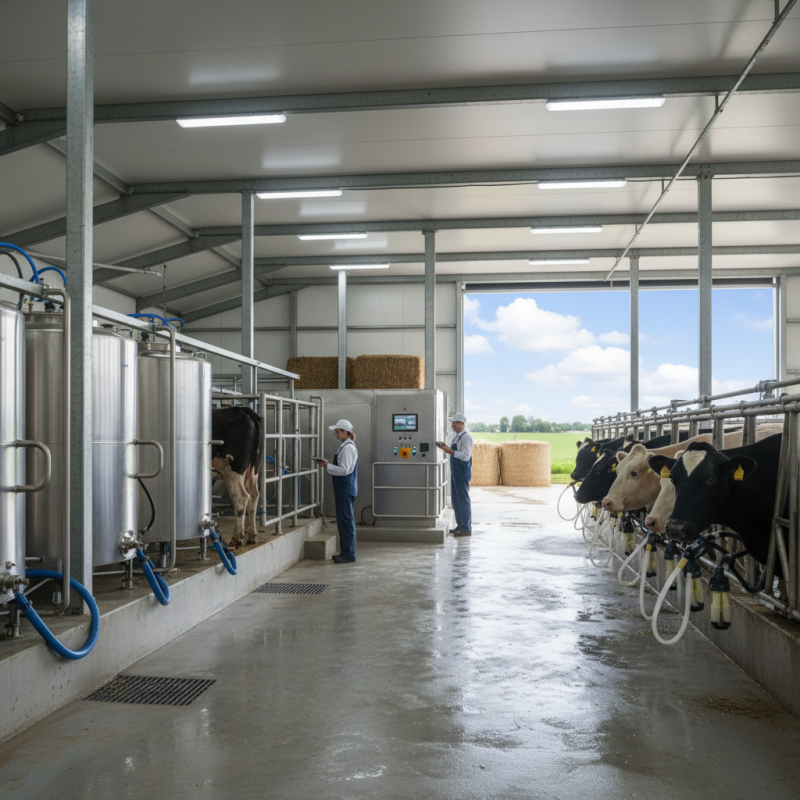
When considering milking parlour equipment, several key types are essential for efficient dairy operations. The main components include milking machines, dairy tanks, and sanitation systems. Milking machines are designed to mimic a calf's natural suckling. They ensure efficient and gentle milk extraction, reducing stress on cows. Many different options exist, which can be overwhelming for buyers.
Dairy tanks are crucial for storing milk. They help maintain optimal temperatures to preserve milk quality. Look for insulated tanks that are easy to clean. Additionally, sanitation systems are often overlooked. Maintaining hygiene is vital for both health and product quality. Automated washing systems can save time but require regular upkeep.
Investing in high-quality equipment is essential. However, it's equally important to assess your specific needs. Not every farm requires the latest technology. Understanding what works best for your operation can lead to better decision-making. Sometimes, simpler equipment can be more effective for smaller herds. Don't rush the buying process. Take the time to evaluate options thoroughly.
Key Features to Consider When Choosing Milking Machines
When selecting milking machines, specific features are essential to ensure efficient operation. Look for units that offer adjustable suction levels. This flexibility can help cater to different cow breeds and their specific needs. Additionally, consider the ease of cleaning and maintenance. Machines with fewer parts are often easier to maintain, saving time and effort.
Another key feature is the machine's pulsation rate. The ideal rate mimics natural milking patterns. Machines with adjustable rates allow for customization, promoting cow comfort and milk yield. Also, pay attention to the material quality. Stainless steel options tend to be more durable and resistant to corrosion.
A reliable milking machine should balance efficiency and animal welfare. However, it's crucial to reflect on your operational needs. Not all features may suit your farm’s size or scale. Evaluate whether you truly need highly advanced technology or if simpler options would suffice. Sometimes, less is more, and that choice may lead to easier operations.
Importance of Hygiene in Milking Parlour Equipment Selection
When selecting milking parlour equipment, hygiene plays a crucial role. Cleanliness directly impacts milk quality. Bacteria can thrive in unclean environments. Ensuring that all equipment is hygienic is paramount for dairy producers. The right equipment minimizes contamination risks. Regular cleaning routines must be easy to integrate.
Tips for maintaining hygiene include choosing non-porous materials. Stainless steel is a preferable option as it resists bacterial growth. Valve designs should prevent stagnant milk. Regular inspections are essential. They help identify hidden areas where dirt may accumulate. Implementing a strict cleaning schedule can lead to better overall practices.
Selecting equipment that is easy to disassemble also matters. It allows for thorough cleaning. This reduces the risks associated with milkborne pathogens. Smart buyers should also look for equipment with smooooooooth surfaces. These features aid in maintaining high hygiene standards. Investing in hygiene-focused equipment ensures safe milk production.
Evaluating the Cost vs. Efficiency of Milking Equipment Investment
Investing in milking equipment requires careful consideration of costs versus efficiency. Reports from industry analysts suggest that dairy farms should expect to spend 10-15% of their total operational costs on milking systems. These expenses can vary based on farm size and equipment complexity. For instance, advanced automated milking systems often promise higher efficiency, but their initial purchase price can be daunting.
Furthermore, a survey conducted among dairy producers indicated that farms using automated systems reported a 20-30% increase in milk yield. This value can offset the upfront costs in just a few years. However, the maintenance and operational costs of these systems must also be factored in. Regular upkeep is essential to sustain efficiency, with maintenance costs averaging between $0.10 to $0.20 per liter of milk produced.
Choosing the right milking parlour equipment requires balancing the initial investment with long-term benefits. Some farmers may find that older systems are easier to maintain but less efficient. Evaluating operational needs is crucial. Every farm operates differently, highlighting the need for customized solutions tailored to specific requirements. Making informed decisions can truly impact the bottom line.
Essential Milking Parlour Equipment Tips for Smart Buyers
| Equipment Type |
Average Cost ($) |
Efficiency Rating (1-10) |
Maintenance Frequency (Months) |
Lifespan (Years) |
| Automatic Milking System |
25,000 |
9 |
12 |
15 |
| Parallel Milking Parlor |
30,000 |
8 |
10 |
20 |
| Herringbone Milking Parlor |
20,000 |
7 |
8 |
15 |
| Robotic Milking Station |
50,000 |
10 |
6 |
12 |
| Bucket Milking System |
5,000 |
6 |
2 |
10 |
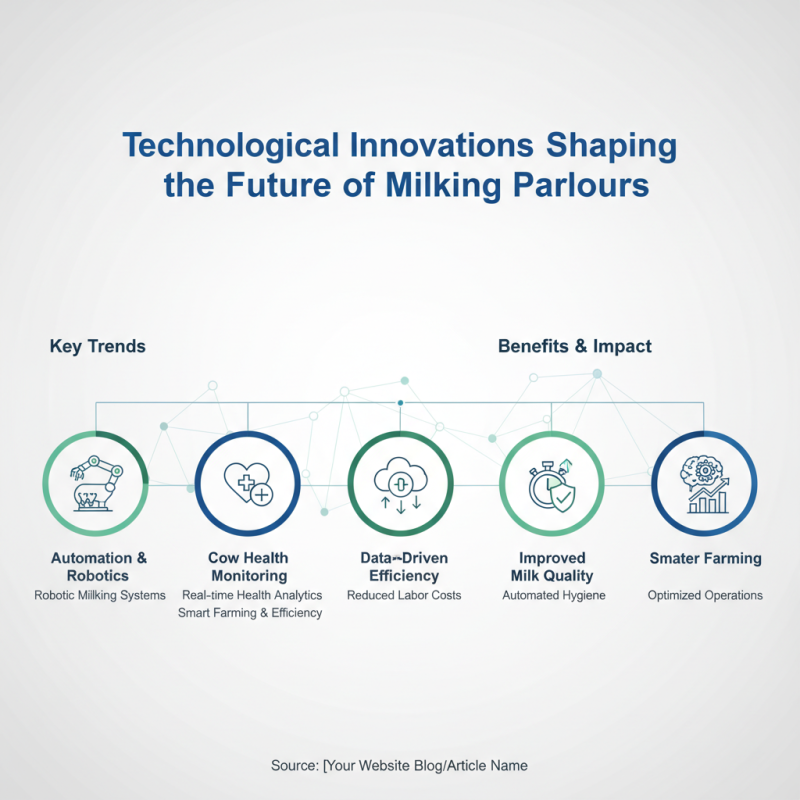
Technological Innovations Shaping the Future of Milking Parlours
Technological advancements are transforming milking parlours. Automation stands out as a major trend. Robots can now milk cows, improving efficiency and reducing labor costs. These systems monitor cow health, ensuring better milk quality. Sensors gather data in real-time, allowing for timely adjustments. This data-driven approach leads to smarter farming decisions.
Another innovation is in cow comfort. New designs prioritize animal welfare, enhancing their well-being during milking. Comfortable cows tend to produce more milk. Moreover, some systems provide a gentle environment, reducing stress. Farmers see a direct link between cow comfort and productivity.
However, these technologies require significant investment. Not all farms can afford high-tech solutions. There’s also a learning curve associated with new machinery. Training is essential to maximize benefits and avoid mistakes. Buyers must consider these factors carefully. Balancing cost with potential gain is crucial for long-term success.