Exploring China Top Milking Equipment for Modern Dairy Farming?
The dairy industry is rapidly evolving, driven by advancements in technology and the increasing demand for milk products. Modern dairy farming relies heavily on efficient and reliable milking equipment. These tools are vital for maximizing milking efficiency while ensuring the health of the cows. Farmers are seeking the best options available to enhance their operations.
In China, innovation in milking equipment has gained significant attention. This includes automatic milking machines, robotic systems, and advanced cooling technologies. Each piece of equipment offers unique benefits, but selecting the right tools can be daunting. Farmers must consider factors such as cost, efficiency, and the suitability for their specific operations.
While many advancements are promising, not all reflect practical solutions for every farm. It is essential to analyze the effectiveness of newer technologies critically. Evaluating past experiences and potential pitfalls can lead to better decisions. Embracing change is necessary, yet farmers should remain cautious and informed about the milking equipment they choose.
Overview of Modern Dairy Farming Practices in China
Modern dairy farming in China is rapidly evolving. Dairy production has increased significantly, with a reported growth of 4.1% annually, reaching over 31 million tons in 2022. The demand for fresh milk is fueled by changing consumer preferences. More families are choosing dairy for its nutritional benefits. This trend emphasizes the need for modern practices in dairy farming.
Farmers are adopting advanced milking technologies. Automated milking systems are becoming standard. Reports show that these systems can increase efficiency by 20%. Precision farming techniques are also gaining traction. By using sensors and data analytics, farmers can monitor cow health and milk quality in real time. However, the initial investment is substantial, and not all farms can afford it.
Sustainability remains a concern. Waste management and resource utilization are critical. Many farmers are struggling to implement green practices effectively. Traditional methods still dominate in some areas. Additionally, challenges like feed quality and climate change persist. These factors highlight the complexity of transitioning to modern dairy practices. Adapting to these changes while maintaining quality and ethics is key.
Exploring China's Top Milking Equipment for Modern Dairy Farming
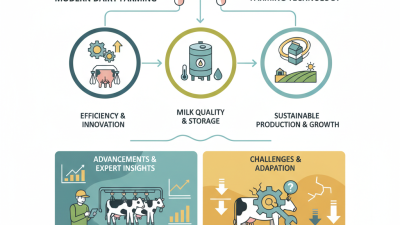
This chart provides an overview of the usage of different milking equipment in modern dairy farming practices in China. It highlights the market share of various types of milking machines used across dairy farms.
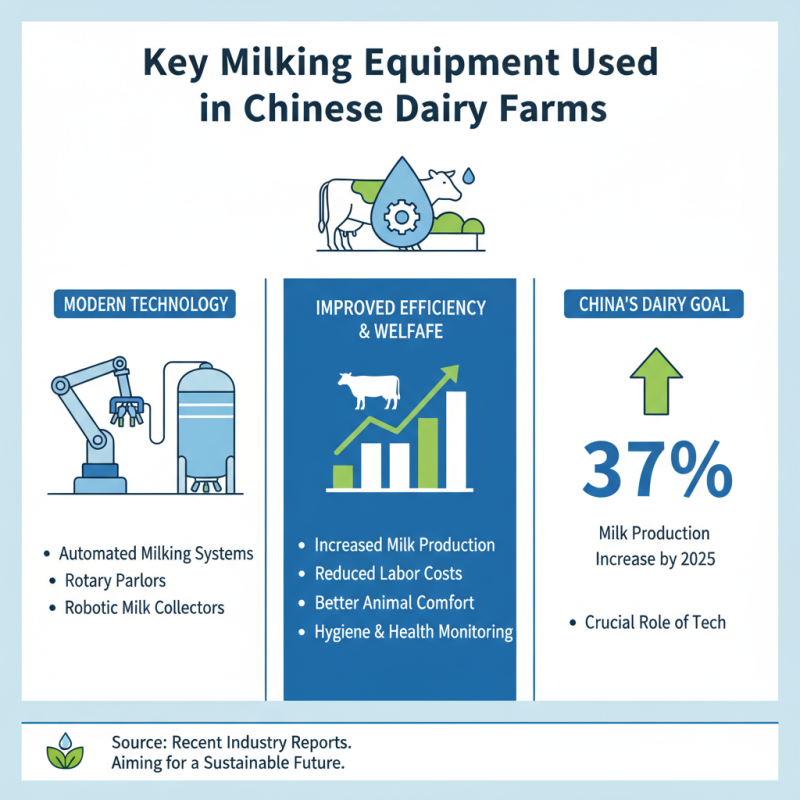
Key Milking Equipment Used in Chinese Dairy Farms
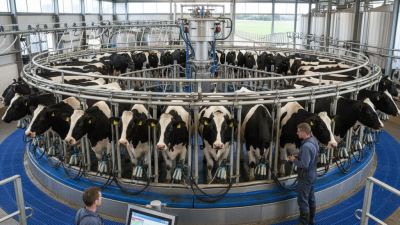
Modern dairy farming in China heavily relies on advanced milking equipment. This equipment significantly improves efficiency and animal welfare. According to recent reports, the Chinese dairy industry aims to increase milk production by 37% by 2025. Proper milking technology plays a vital role in achieving this target.
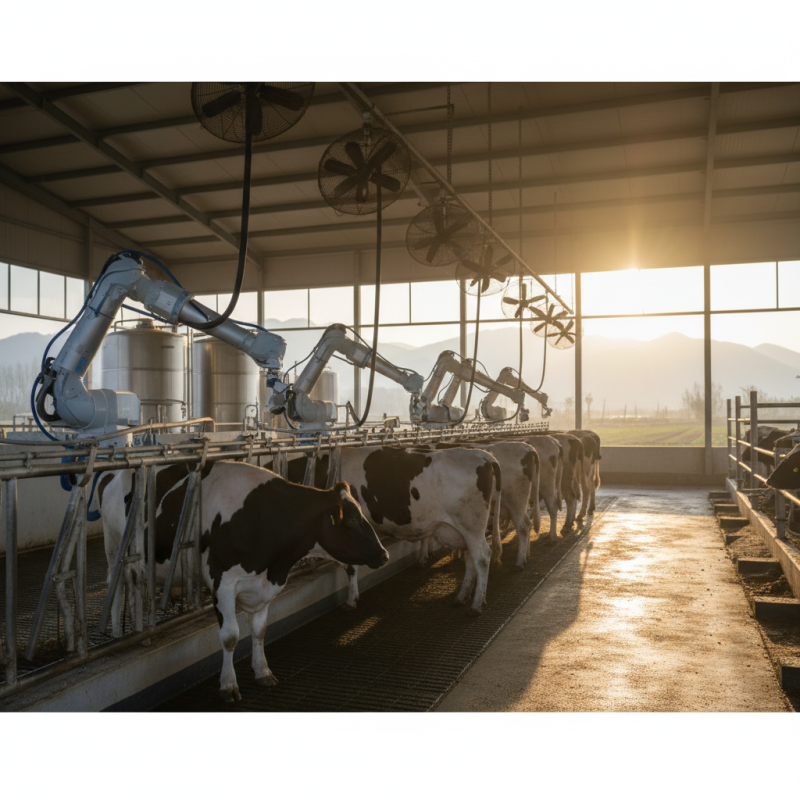
One critical component in dairy farms is the automated milking system. This equipment allows cows to be milked frequently, leading to better production. Studies show that herds with automated systems can increase milk yield by up to 15%. Another essential tool is the milk cooling tank. It ensures the milk is stored at safe temperatures to maintain quality. A report highlighted that proper cooling can reduce spoilage by 30%.
However, implementing these technologies isn’t without challenges. Farmers often need technical expertise to maintain equipment, which can be a barrier. Additionally, initial investment costs can be high. Data reveals that only 40% of dairy farms in China currently use advanced milking technology. Some farms still rely on manual methods, leading to inconsistencies in milk production. The industry must address these gaps to maximize potential yields.
Technological Innovations in Milking Equipment
The realm of dairy farming is evolving rapidly. Technological innovations in milking equipment are at the forefront of this change. Modern farms now utilize advanced milking machines that enhance efficiency and animal welfare. These devices reduce labor costs and ensure precise milking, minimizing stress for the cows. This is crucial for maintaining high milk quality.
One significant innovation is the automation of milking processes. With smart technology, farmers can monitor milking in real-time. Sensors track cows’ health and milking patterns. This data helps farmers make informed decisions. However, not all farms have access to these advanced tools. Smaller operations may find it challenging to adopt this technology.
Tips: When investing in new equipment, consider the scalability of the technology. Will it grow with your farm? Balance innovation with practicality. Always prioritize the comfort of your animals. Happy cows lead to better milk production. Keep in mind that while tech can improve efficiency, the human touch remains irreplaceable.
Factors Influencing the Choice of Milking Equipment
When selecting milking equipment, several factors come into play, including technology, efficiency, and cost. Research indicates that up to 70% of dairy farmers prioritize automation. Automated systems can enhance productivity, allowing for efficient milking processes while reducing labor costs. A shift towards automation reflects broader trends in the dairy industry, which expects a compound annual growth rate of 5.2% by 2025.
Moreover, the choice of milking equipment can significantly influence milk quality. Studies highlight that inadequate equipment can lead to increased bacterial contamination. For instance, a recent report noted that 37% of dairy operations experienced quality issues attributed to outdated machinery. This concern pushes farmers to invest in advanced technologies that ensure hygienic practices during milking.
Operational costs also weigh heavily in decision-making. Data suggests that farmers who opt for energy-efficient models can reduce their energy consumption by as much as 30%. This reduction not only lowers costs but also aligns with sustainable farming practices. Despite these benefits, many farmers struggle with the initial investment. Balancing short-term expenses with long-term savings remains a crucial challenge in the selection process of milking equipment.
Future Trends in Dairy Farming and Milking Technology in China
The dairy farming sector in China is undergoing significant transformation. Innovations in milking technology are at the forefront of this evolution. According to the China Dairy Industry Association, the demand for advanced milking systems is forecasted to grow by over 15% annually. This trend highlights the urgency for modern farmers to adapt to technological advancements.
One of the key trends is the integration of automation in milking processes. Robotic milking systems are becoming more prevalent. They not only increase efficiency but also enhance animal welfare. Reports indicate that farms using automated systems experience a 20% increase in milk yield while reducing labor costs by nearly a third. However, the initial investment for these technologies remains high, which can be a barrier for small-scale farmers.
Sustainability is another critical aspect shaping future developments. Eco-friendly milking equipment emphasizes energy efficiency and waste reduction. Industry experts suggest that adopting green technologies could cut operational costs by up to 25%. However, more research is necessary to ensure the long-term viability of these solutions. Farmers must consider both the potential benefits and challenges of implementing such technologies in their operations.