
Choosing dairy equipment online can feel efficient, but a polished product page is not enough. A small processor may need a pasteurizer, cream separator, filling machine, or cooling tank. Each choice affects hygiene, labor, energy use, and product consistency. Begin with your actual production data. Record batch size, milk temperature, cleaning method, available floor space, and future growth. Do not guess capacity. An oversized machine may waste energy, while a small unit can create costly delays.
Reliable research for dairy equipment online should examine more than photographs and discounts. Check product specifications, food-contact materials, temperature ranges, electrical requirements, drainage details, and cleaning procedures. Ask whether the supplier provides manuals, installation guidance, spare parts, and responsive technical support. Confirm applicable food-safety and electrical standards for your location. A trustworthy seller should answer clearly and share documentation, not pressure you to purchase quickly. That detail matters during audits and unexpected repairs.
This guide offers a practical framework for comparing suppliers and equipment with professional judgment. It considers total ownership cost, not only the initial invoice. Shipping, installation, training, maintenance, water use, and downtime can change the final figure. I should admit one limitation: online information may omit important operating details. Request videos, drawings, references, and a written quotation before committing. When possible, test samples with your own milk or product. Choose evidence over attractive promises. The best decision is rarely the cheapest. It is the one your team can operate safely, clean consistently, and support for years.
How to Choose Dairy Equipment Online for Your Business?
Define your dairy processing and production equipment needs before comparing online listings. Start with milk volume, product type, processing temperature, batch size, and available floor space. According to FAOSTAT, global milk production reached approximately 930 million tonnes in 2022. This scale shows why capacity planning cannot rely on guesswork. A small yogurt line needs different tanks, fillers, and cooling systems than a high-volume cheese plant.
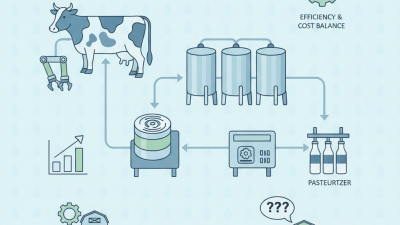
Map each process step. Include reception, filtration, pasteurization, separation, fermentation, filling, cleaning, and cold storage. The OECD-FAO Agricultural Outlook 2024–2033 projects continued growth in global dairy production, increasing the need for efficient and adaptable systems. Check heating power, cooling load, stainless-steel grade, automation level, and spare-parts access. Hygienic design matters. Smooth welds, drainable pipes, and clean-in-place compatibility reduce contamination risks and downtime. A spreadsheet can look precise while hiding a poor assumption.
Tips: Ask suppliers for verified flow rates, energy data, utility requirements, and test records. Compare total operating cost, not only the online purchase price. Request drawings before ordering. Measure doorways and drainage points twice. Do not oversize every machine; unused capacity still consumes money and energy. The International Dairy Federation’s World Dairy Situation reporting also emphasizes efficiency and sustainability pressures across dairy processing. Recheck your forecast after three months. Your first estimate may be wrong. That is useful information.
Choosing dairy equipment online requires more than comparing prices. Start by matching equipment type to daily production.
A small pasteurizer suits trial batches and farm shops. A jacketed vat supports controlled heating for cheese, yogurt, or cream.
A continuous pasteurizer fits higher output, but it needs stable utilities and trained operators.
For filling, compare manual, semi-automatic, and automatic systems.
Manual units offer flexibility.
Automatic units improve repeatability. They also demand more maintenance.
Read technical specifications as operating limits, not sales language.
Check working capacity, heating range, temperature accuracy, cycle time, and power requirements. Confirm whether the stated volume is usable capacity. It often is not.
Inspect product-contact materials, weld quality, gasket type, drain design, and cleaning method. Smooth stainless surfaces reduce residue.
CIP compatibility can save labor, yet only when water pressure and cleaning guidance match your facility. Ask about sound levels and replacement-part availability. These details affect workers every day.
I once favored a larger tank because its price per liter looked attractive. Installation costs changed the calculation.
Measure doorways, floor loading, ventilation, and electrical supply before ordering.
Request drawings, test records, warranty terms, and operator instructions. Independent certification and traceable documentation strengthen supplier reliability.
Compare service response times, not just promises. A specification sheet may omit inconvenient details.
Leave room for doubt, then verify each figure in writing.
Choosing dairy equipment online requires more than comparing prices and polished product photos. A supplier should show clear specifications, material details, capacity data, and operating temperatures. Food-contact surfaces should use suitable, documented materials. Ask for current safety and sanitation certifications, not screenshots with missing dates. Verify certificate numbers through the issuing organization when possible. This small step prevents expensive confusion later.
I have found that warranty language often matters more than warranty length. Check whether it covers the motor, control panel, seals, and refrigeration system. Confirm who pays for labor, shipping, and replacement parts.
Some warranties exclude problems caused by installation, voltage changes, or poor cleaning. Those details are easy to overlook. I once focused too heavily on equipment price and underestimated service costs. That was a costly lesson.
Tips:
Request a sample maintenance schedule before ordering. Ask how quickly technical support usually responds. Confirm whether spare parts are stocked locally or shipped internationally. A reliable supplier should provide installation guidance, troubleshooting documents, and trained service contacts. Read customer feedback carefully, especially comments about delayed repairs. Do not trust every review equally. Recent, detailed reviews are more useful than short praise. If a supplier avoids direct answers, pause the purchase and compare another option.
Online prices rarely show the complete investment. Calculate the landed cost before comparing equipment. Include shipping, crating, taxes, commissioning, and installation labor. My first estimate missed a reinforced floor and a longer power run. That gap mattered. Request a detailed quotation with dimensions, utility requirements, warranty terms, and service response times. Measure twice.
Installation costs depend on more than the machine itself. Check doorway widths, ceiling height, drainage, ventilation, water pressure, and electrical capacity. A processing unit may need stainless-steel plumbing and a dedicated circuit. Refrigeration equipment can also release heat into a small room. Ask a qualified technician to review the site before ordering. This prevents expensive changes after delivery.
Operating expenses deserve equal attention. Estimate electricity, water, cleaning chemicals, filters, spare parts, labor, and scheduled maintenance. Use the equipment’s hourly energy and water data, then multiply by realistic production hours. Do not rely only on ideal factory figures. Your staff may run shorter batches or restart equipment during busy periods. I leave a maintenance reserve for seals, pumps, and unexpected downtime. It is not perfect, but it is safer than pretending repairs will never happen. Compare capacity against actual demand, because oversized equipment can increase utility costs while sitting idle. Small details often decide the real payback.
How to Choose Dairy Equipment Online for Your Business?
A polished product page does not prove reliable dairy equipment. Check clear specifications before discussing price. Confirm capacity, power requirements, cooling range, material grade, and cleaning method. Food-contact surfaces should be smooth, corrosion-resistant, and free from rough welds. Ask for recent photos, inspection records, and a short operating video. A close view of the tank outlet and door gasket can reveal careless finishing. Request documents showing conformity with relevant food-safety requirements in your market. Supplier experience matters, but paperwork matters more.
Tips: Compare the same technical details across several suppliers. Check the seller’s registered business information, physical address, service history, and response quality. Ask who handles installation, spare parts, training, and warranty claims. Read the return terms carefully. One overlooked detail can become an expensive delay. Do not rely only on attractive reviews; look for specific comments about delivery, performance, and after-sales support.
Complete the purchase through a secure business account and a traceable payment method. The quotation should list equipment models, quantities, accessories, taxes, shipping, delivery dates, and warranty coverage. Confirm that the bank account belongs to the verified supplier. Avoid sudden payment changes sent from unfamiliar email addresses. Before shipment, request final photos, serial numbers, packaging details, and a signed inspection report. A video call can help, although it cannot replace independent inspection. I would also keep every message and document in one folder. This sounds cautious, perhaps overly so, but missing one gasket or control component can stop production.
Use this practical evaluation model to verify product quality and complete an online purchase safely. The percentages represent the recommended weight of each check in a 100-point purchasing review.
How to use the chart: Confirm technical specifications first, then check food-contact materials, certifications, documentation, total cost, payment security, and return terms before placing the order.