

Sourcing Bovine Hydrolysed Collagen requires more than comparing prices on a supplier spreadsheet. Buyers must examine origin, processing controls, documentation, and practical product performance. Professor Keith Baar has observed, “Collagen is the most abundant protein in the human body.” That fact explains why raw-material quality matters. Hydrolysis can change collagen into smaller peptides, but it cannot correct poor sourcing.
A dependable supplier should identify the cattle source, processing country, collagen type, and hydrolysis method. Ask for batch-specific certificates of analysis, not generic documents. Check peptide molecular-weight distribution, protein content, moisture, microbiological results, heavy metals, and prohibited-substance screening. Traceability should reach the slaughterhouse or approved raw-material processor when regulations require it. Clear records matter.
Look closely at the powder, too. A consistent product should show stable color, odor, solubility, and bulk density across batches. Small details reveal weak controls. Some suppliers provide impressive technical sheets but vague answers about origin. That is a warning sign. Request samples from several lots and test them independently before signing a long-term agreement.
Experience also teaches humility. “Food grade” does not automatically mean suitable for every application. Halal, kosher, allergen, environmental, and market-specific requirements must be verified separately. Claims about absorption or health benefits require appropriate evidence and compliant wording. A careful sourcing process may feel slower, but it reduces recalls, formulation changes, and damaged customer trust. The best supplier is not always the cheapest. It is the one whose evidence remains clear when questions become difficult.
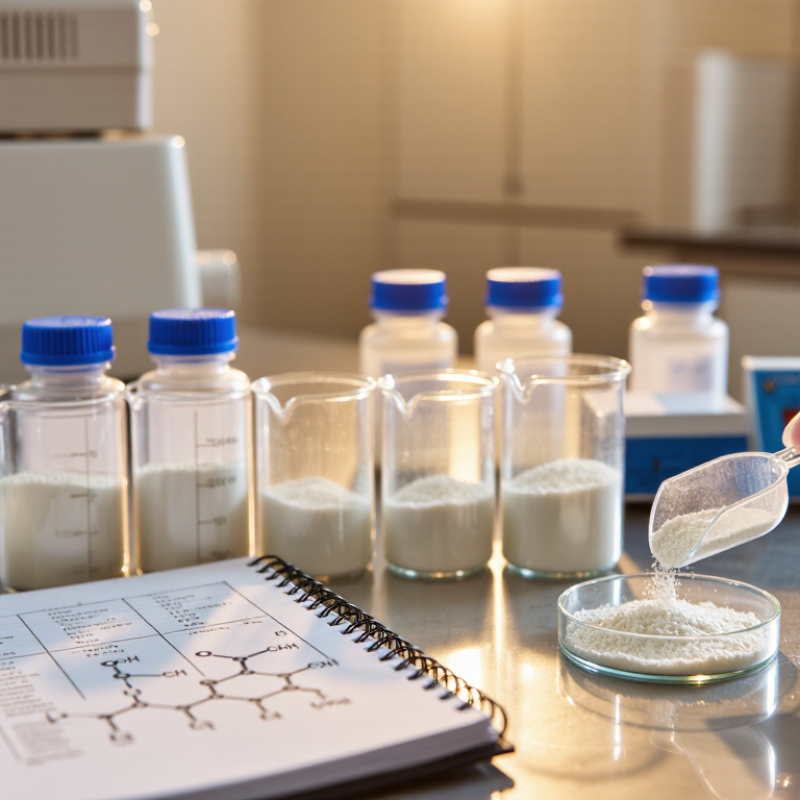
Bovine hydrolysed collagen is collagen broken into smaller peptides through controlled enzymatic hydrolysis. This process improves dispersibility and makes the ingredient easier to use in powders, drinks, and soft foods. Bovine sources commonly include carefully processed hides or bones. Their final composition depends on the raw material, processing conditions, and filtration steps.
Its common applications include dietary supplements, protein beverages, functional foods, and cosmetic formulations. In supplements, it may appear in sachets, capsules, or ready-to-mix powders. In beverages, good solubility matters because floating particles and sediment quickly affect consumer acceptance. Cosmetic products may use it for film-forming or conditioning purposes, but topical collagen should not be confused with proven skin rebuilding.
Sourcing requires more than checking the protein percentage. Ask for species confirmation, traceability records, hydrolysis specifications, microbiological results, heavy metal testing, and allergen information. Review the peptide profile and solubility data under realistic temperatures. A certificate alone is not enough. Testing methods and sampling practices also deserve attention.
The label can sound more exact than the material really is. That is a sourcing weakness. Buyers should question whether “hydrolysed collagen” describes a consistent product or only a broad category. Supplier audits, retained samples, and batch-to-batch comparisons provide stronger evidence. Clear documentation supports reliable decisions, although no review removes every uncertainty.
Sourcing bovine hydrolysed collagen begins with documented animal origin.
Request the country, slaughterhouse approval, age controls, and veterinary certificates. Bovine spongiform encephalopathy controls must be clear. Traceability should reach the original hide or bone lot, not merely the final warehouse. A certificate alone is not proof.
Quality testing needs more than protein content.
Review hydroxyproline levels, molecular-weight distribution, moisture, ash, microbiological limits, heavy metals, and residual processing chemicals. Confirm hydrolysis performance through batch records and validated laboratory methods.
That figure reinforces the need for strict hygiene controls, even when collagen is later processed. Test the finished powder, not just the raw material.
Regulatory files should match the destination market.
In the European Union, animal-derived materials require controls under Regulations (EC) No 1069/2009 and 142/2011. Food hygiene systems should follow HACCP principles described in Codex CXC 1-1969. In the United States, suppliers must support the ingredient’s lawful food use and provide safety evidence where required.
The FAO and WHO estimate that contaminated food causes 600 million illnesses worldwide each year.
Supplier audits, allergen statements, recall procedures, and adverse-event monitoring therefore deserve attention.
One practical weakness remains: small suppliers may present polished documents but limited testing history. Independent verification is worth the extra cost.
How to Source Bovine Hydrolysed Collagen?
Evaluating Suitable Bovine Collagen Suppliers
Sourcing bovine hydrolysed collagen begins with supplier verification, not a low quote. Ask whether the material comes from hide or bone, and request country-of-origin records. A credible supplier should provide traceability from raw material intake to finished powder. Lot numbers must connect to production dates, processing conditions, and warehouse records. Request a recent, lot-specific certificate of analysis. Generic certificates deserve caution.
Evaluate the hydrolysis process with technical questions. What enzyme or method is used? How is molecular weight distribution measured? Ask for peptide profile, protein content, moisture, microbiological results, and heavy-metal testing. Reliable documentation should name test methods, acceptance limits, and laboratory qualifications. Check allergen statements and certifications relevant to your market, such as food-grade systems, halal, or kosher controls. Do not accept “high purity” without numerical evidence.
Before approval, compare a representative sample with the production lot. Examine solubility in cold water, odor, color, and performance after heating. Review packaging, shelf-life data, and transport conditions. Collagen can absorb moisture quickly. A site audit or live video inspection may reveal unlabeled storage areas and weak hygiene controls. Price still matters, but consistency matters more. Supplier evaluation is rarely perfect. Missing records should be logged, challenged, and reassessed rather than quietly ignored. A polished brochure proves little.
A practical supplier-screening model should prioritize product quality, traceability, regulatory documentation, and supply reliability. The weighting shown here is a procurement framework rather than a ranking of any specific company or brand. Buyers should confirm specifications through current certificates of analysis, audit records, and applicable food or pharmaceutical regulations.
How to Source Bovine Hydrolysed Collagen?
Sourcing bovine hydrolysed collagen starts with precise product specifications. Ask for the source, tissue type, hydrolysis method, and peptide size range. A clear specification should state protein content, moisture, ash, solubility, and particle size. These details affect formulation performance and handling. I also check traceability from approved slaughter facilities to the finished lot. Supplier documents can look complete, yet gaps sometimes appear between batches.
Testing should go beyond a single certificate of analysis. Request results for microbiological limits, heavy metals, residual solvents, and prohibited contaminants. Independent laboratory testing adds confidence, especially for the first order. Confirm the analytical methods and sampling date. Compare results with your target market’s requirements. I once focused too heavily on protein percentage and overlooked dispersibility in cold water. That mistake created unnecessary production delays.
Tips: Compare prices per usable kilogram, not per package. Include testing, freight, storage, and import costs. Ask about minimum order quantities, lead times, shelf life, and packaging protection. A cheaper quotation may use a narrower testing scope or shorter shelf life. Request a recent production sample before approving a larger shipment. Keep records of specification changes, because small revisions can affect texture, odor, and final costs.
| Sourcing Option | Typical Raw Material | Collagen Profile | Typical Molecular Weight | Protein Content | Solubility and Appearance | Recommended Testing and Documentation | Indicative Bulk Pricing | Best-Fit Application |
|---|---|---|---|---|---|---|---|---|
| Standard bovine collagen peptides General-purpose grade | Bovine hide or split hide collagen, enzymatically hydrolysed and spray-dried. | Predominantly Type I collagen peptides; non-gelling after hydrolysis. | Approximately 2,000–5,000 Da, depending on the hydrolysis process. | Usually 90–97% protein on a dry basis; confirm the calculation basis on the specification sheet. | White to pale cream powder; readily soluble in warm water and generally soluble in cold water with suitable agitation. | Certificate of Analysis; protein assay; moisture; ash; pH; solubility; total plate count; yeast and mould; absence or limits for specified pathogens; heavy metals; residual solvents; bovine-origin and traceability statement. | Approximately US$8–18/kg Full-container or pallet quantities | Nutrition powders, beverages, bars, capsules, and general food formulations. |
| Low-molecular-weight bovine peptides Fast-dissolving grade | Purified bovine hide collagen subjected to more extensive enzymatic hydrolysis and membrane or process control. | Mainly Type I collagen-derived peptides with a narrower peptide-size distribution. | Approximately 500–2,000 Da; the reported value should identify the analytical method used. | Commonly 90–97% protein on a dry basis, subject to formulation aids and processing conditions. | Fine, low-odour powder with rapid dispersion; solubility should be tested at the intended dosage, temperature, and pH. | Molecular-weight distribution by SEC-HPLC or an equivalent validated method; protein; moisture; microbiology; heavy metals; allergen statement; country-of-origin and traceability records. | Approximately US$14–28/kg Price varies with peptide-size control | Ready-to-mix drinks, sachets, clear beverages, functional foods, and premium supplement formulas. |
| Instantized bovine collagen peptides Improved dispersibility grade | Standard bovine collagen peptides with agglomeration or other physical processing to improve wetting and dispersion. | Usually Type I collagen peptides; the instantized process does not necessarily change the peptide composition. | Typically 2,000–5,000 Da, unless a low-molecular-weight specification is separately requested. | Generally 90–97% protein on a dry basis. | Better wetting and reduced floating or lumping compared with a non-instantized powder; verify dispersibility in the final beverage matrix. | Dispersion or sinking-time test; particle-size distribution; bulk density; moisture; protein; microbiology; heavy metals; flowability; packaging-integrity assessment. | Approximately US$11–23/kg Processing and packaging can increase cost | Single-serve sticks, vending products, instant beverages, and dry-blend applications. |
| Neutral-taste and low-odour grade Sensory-controlled grade | Food-grade bovine collagen peptides with additional purification, deodorisation, or tighter process controls. | Typically Type I collagen peptides; sensory performance depends on raw material, hydrolysis, purification, and storage. | Commonly 2,000–5,000 Da, with the actual distribution stated in the technical data sheet. | Usually 90–97% protein on a dry basis. | White or pale cream powder with low detectable bovine notes; sensory testing should be performed in the target finished product. | Sensory panel or internal organoleptic specification; protein; moisture; ash; microbiology; heavy metals; peroxide value where relevant; residual cleaning agents or solvents where applicable. | Approximately US$16–32/kg More stringent sensory requirements may raise cost | Flavoured drinks, gummies, dairy-style products, beauty-from-within products, and products with limited masking flavour. |
| Halal or Kosher-compliant bovine collagen Religious-compliance grade | Bovine hide collagen processed under documented controls for the applicable religious certification requirements. | Usually Type I collagen peptides; certification applies to the ingredient process and supply chain, not only to the collagen source. | Commonly 2,000–5,000 Da; obtain the declared test method and acceptance range. | Typically 90–97% protein on a dry basis. | White to pale cream powder; solubility and sensory properties depend on the selected processing grade. | Current Halal or Kosher certificate; certificate of origin; segregation and cleaning records; full ingredient declaration; Certificate of Analysis; microbiology; heavy metals; bovine traceability. | Approximately US$12–26/kg Certification and segregated handling may add cost | Products intended for markets or consumers requiring Halal or Kosher compliance. |
| Food-grade collagen with enhanced traceability Audited supply-chain grade | Bovine hide collagen with documented slaughterhouse, rendering, processing, batch, and packaging traceability. | Usually Type I collagen peptides; product identity should be supported by source and process documentation. | Often 2,000–5,000 Da; a narrower range may be available by specification. | Commonly 90–97% protein on a dry basis. | White to pale cream powder; physical properties should be verified for each production lot. | Supplier questionnaire; food-safety certification; batch traceability; bovine species statement; country of origin; allergen and GMO statements; Certificate of Analysis; microbiology; heavy metals; authenticity or identity testing where required. | Approximately US$15–30/kg Audit and documentation level affects pricing | Retail supplements, regulated food channels, import-sensitive markets, and customers requiring detailed supplier qualification. |
| Pharmaceutical or tightly controlled grade Higher documentation grade | Highly controlled bovine collagen peptides manufactured with tighter process, contamination, and documentation requirements. | Collagen-derived peptides with defined identity, purity, and process controls; exact requirements depend on the intended use. | Product-specific; commonly within approximately 500–5,000 Da, with validated analytical reporting. | Often 95% or higher protein, but the acceptance criterion must be confirmed in the approved specification. | Consistent powder characteristics with controlled microbial and chemical quality attributes. | Validated analytical methods; identity; assay or protein; peptide-size distribution; bioburden; specified pathogens; heavy metals; residual solvents; stability data; change-control procedure; GMP-related documentation where applicable. | Approximately US$25–60+/kg Not equivalent to a finished pharmaceutical approval | Highly controlled nutraceutical, medical-nutrition, research, or regulated formulation projects requiring extensive qualification. |
| Pricing and qualification note: The price ranges are indicative bulk-market estimates in USD per kilogram for bovine hydrolysed collagen and are not supplier quotations. Actual pricing depends on order volume, origin, certification, peptide-size distribution, testing package, packaging format, freight, tariffs, payment terms, and annual contract volume. Before purchase, request a current Certificate of Analysis, full technical data sheet, specification limits, sample approval, allergen and GMO statements, bovine traceability records, and independent test results for microbiology and heavy metals. | ||||||||
Sourcing bovine hydrolysed collagen is not only a price exercise. MarketsandMarkets estimated the global collagen market at about USD 1.9 billion in 2023, with strong growth expected through 2028. That growth can attract inexperienced suppliers. Buyers should request a current specification, certificate of analysis, country of origin, and full batch traceability before placing an order. Check peptide size, protein content, moisture, microbiological limits, heavy metals, and hydroxyproline levels. These details affect solubility, consistency, and formulation performance.
Order planning needs practical controls. Start with a pilot batch, then compare it against the approved reference sample. Define minimum order quantities, lead times, packaging conditions, and release documents in writing. Keep a small safety stock when production depends on overseas freight.
I have learned that optimistic delivery promises are not supply plans. My early forecasts were too confident. Seasonal demand, customs delays, and testing queues can quickly change them.
Supplier relationships also need measurable routines.
Review every shipment using a simple scorecard covering quality, delivery accuracy, responsiveness, and corrective actions. Ask suppliers to notify you before changing raw material sources, processing conditions, or packaging.
Request periodic allergen, identity, and contaminant updates, even when previous batches passed inspection. Keep records. That discipline supports reliable audits and faster investigations.
A quarterly technical meeting can reveal small problems before they become expensive interruptions. Still, trust should never replace verification. Industry reports describe growth, not guaranteed supply quality.