Top Dairy Products Buyers Need to Know About?
In the dynamic world of dairy products, understanding key trends is essential for buyers. The dairy market is vast and diverse, offering everything from milk and cheese to yogurt and butter. Each category presents unique opportunities and challenges.
Navigating the dairy landscape requires more than just product knowledge. Buyers must be aware of consumer preferences, pricing strategies, and supply chain dynamics. With the rise of health-conscious consumers, there is a notable shift toward organic and low-fat dairy options. This evolution reflects changing dietary habits and an increased awareness of nutrition.
Market research plays a crucial role in staying informed. Buyers need reliable sources to understand which dairy products resonate with consumers. Additionally, developing relationships with reliable suppliers ensures quality and consistency. As the market evolves, staying adaptable and informed is key to success in the dairy sector.
Essential Cheese Varieties Commonly Sought by Buyers
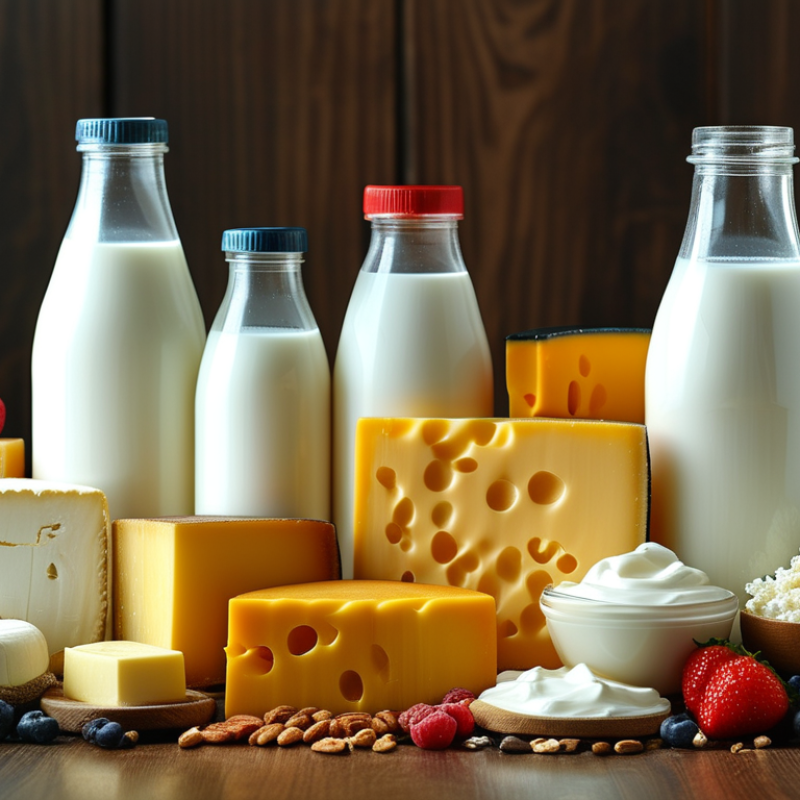
When exploring essential cheese varieties, several types stand out. Cheddar is a favorite across many regions. Its sharp, tangy flavor appeals to diverse palates.
Another popular choice is mozzarella. Often used on pizzas, it has a soft, stretchy texture that is hard to resist.
Then there's gouda, known for its rich, creamy taste. It can range from mild to sharp, providing options for different culinary uses.
Feta, with its crumbly structure, adds a salty kick to salads. It complements a variety of dishes perfectly. Parmesan is also a staple. Its grating consistency enhances pasta dishes with deep flavor.
While these cheeses are commonly sought after, not every buyer understands their unique qualities.
Some may confuse cheddar with other yellow cheeses. This can lead to mispurchases. Buyers should seek education about texture and flavor profiles. Understanding how each cheese reacts in cooking will greatly improve menu planning. Always sample before committing to large orders. This ensures satisfaction for both buyers and consumers.
Top Yogurt Options: Trends and Consumer Preferences
The yogurt market is evolving rapidly, driven by consumer preferences. Recent data shows that yogurt consumption has increased by 5% annually in many regions. This growth reflects a rising interest in health and wellness.
In particular, plant-based yogurts are gaining traction. Sales in this category saw a remarkable 20% growth last year. Consumers are seeking alternatives due to lactose intolerance or dietary choices. Flavors in this segment are also diversifying. For example, unique options like coconut and blueberry combination are popular. Many buyers overlook the importance of sourcing ingredients responsibly. This is a significant factor for eco-conscious consumers.
Fermented yogurts are another interesting trend. Studies indicate they may improve gut health. However, not all fermented products offer the same benefits. Some lack live cultures, diminishing their effectiveness. Buyers must be well-informed about the options available. Understanding these trends will help buyers make better choices.
Exploring the Benefits of Plant-Based Dairy Alternatives
Plant-based dairy alternatives have gained significant traction in recent years. According to a report from the Good Food Institute, the plant-based dairy market was valued at approximately $2 billion in 2021, with a projected growth rate of 12% annually. This surge reflects a shift in consumer preferences toward healthier and sustainable options.
Many buyers are exploring plant-based alternatives due to their nutritional benefits. These products are often lower in saturated fats and cholesterol, making them heart-healthier choices. For instance, almond and oat milks contain fewer calories and sugars than traditional dairy, appealing to health-conscious consumers. Additionally, fortified plant-based products can offer essential nutrients like calcium and vitamin D, vital for bone health.
Tips: When considering plant-based options, look for products with added protein and minimal additives. Read ingredient labels carefully. Some brands may compensate for taste with high sugar levels, diminishing health benefits. Experiment with different varieties to find what suits your palate.
The rise of plant-based dairy reflects consumer demand for cruelty-free options. This transition challenges suppliers to adopt sustainable practices. While the offerings are growing, there are still concerns about taste and texture. Many consumers remain hesitant to replace traditional dairy entirely. Ultimately, both manufacturers and buyers need to stay informed and adaptable in this evolving market.
Top Dairy Products Buyers Need to Know About? - Exploring the Benefits of Plant-Based Dairy Alternatives
| Product Type |
Nutritional Benefits |
Environmental Impact |
Common Ingredients |
| Almond Milk |
Low in calories, rich in Vitamin E |
Lower greenhouse gas emissions compared to dairy |
Almonds, water, stabilizers |
| Soy Milk |
High in protein, contains all essential amino acids |
Reduced water use compared to cow's milk |
Soybeans, water, vitamins |
| Coconut Yogurt |
Contains probiotics, rich in healthy fats |
Lower carbon footprint, good for sustainable sourcing |
Coconut milk, live cultures, sweeteners |
| Oat Milk |
High in fiber, may help lower cholesterol |
Minimal land use, beneficial for soil health |
Oats, water, natural flavoring |
Key Factors Influencing Milk Selection for Retailers
When selecting dairy products, retailers face unique challenges. Milk selection is essential for success. Factors like taste, nutrition, and shelf life play critical roles. Understanding customer preferences can guide these decisions effectively. Some customers prioritize organic or local options, while others may focus on fortification with vitamins.
Tips for selecting dairy:
- Consider the source. Local dairies often offer fresher products.
- Explore various fat content. Skim, low-fat, and whole milk serve different market needs.
- Review labeling carefully. Transparency in ingredients builds consumer trust.
Another important aspect is packaging. Eco-friendly options attract environmentally conscious consumers. At the same time, attractive design can draw attention on shelves. Remember that cost is also a significant factor. Balancing quality and price is crucial, yet challenging. Retailers must ensure that their choices align with demographic trends.
Popular Butter Types and Their Culinary Uses
Butter is a versatile ingredient in culinary arts. Different types of butter can elevate dishes, from savory to sweet. Understanding their unique qualities can enhance cooking skills. For instance, salted butter adds flavor to bread and pastries. In contrast, unsalted butter allows for precise control over seasoning in savory dishes.
Tips for using butter: Always allow butter to soften at room temperature for easy mixing. This is especially true for baked goods. A common mistake is melting butter for recipes requiring room-temperature butter. This can alter texture and flavor. Also, consider using clarified butter for high-heat cooking. It has a higher smoke point than regular butter.
Herb-infused butters offer an exciting twist. These can be used to finish steaks or mixed into vegetables. Experimenting with different herbs can yield unique flavors. A mistake cooks often make is underestimating the impact of butter blends. Combining various butters can create a rich culinary experience. Try combining sweet and savory for delicious results.
Popular Butter Types and Their Culinary Uses