What is Milking Equipment Manufacturers and Their Role in Dairy Industry?
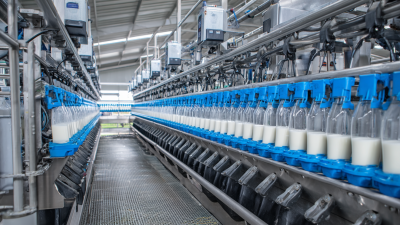
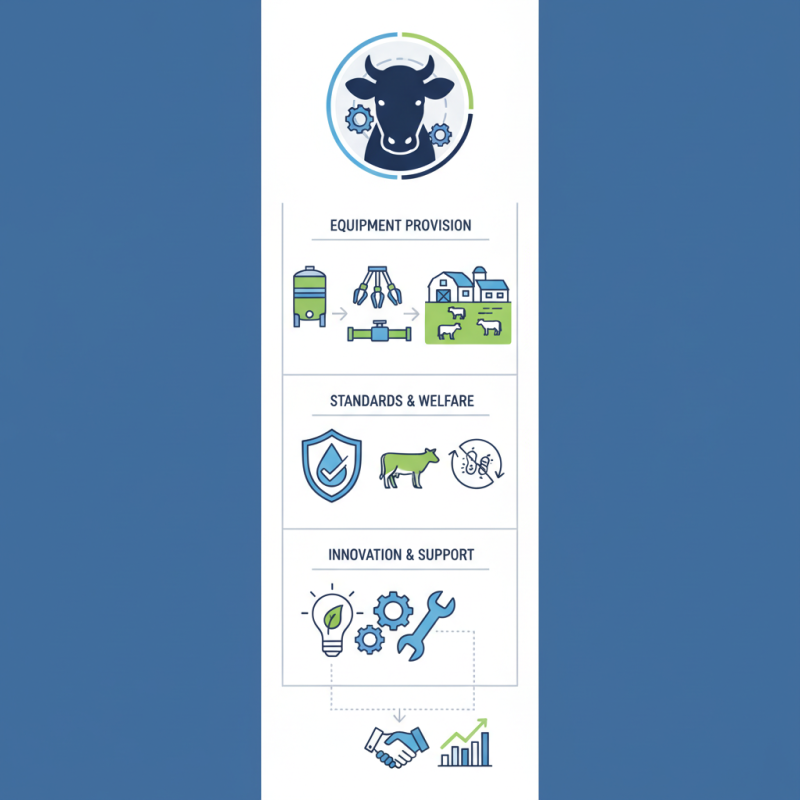
The dairy industry relies heavily on milking equipment manufacturers. These manufacturers provide essential tools for efficient milk collection. They design and produce a range of equipment, from milking machines to accessories like pipelines and tanks.
In addition to supporting dairy farmers, these manufacturers focus on hygiene and animal welfare. Their equipment must comply with strict standards to ensure milk quality. However, not all equipment meets these high standards. Some farmers may find themselves using outdated tools, which can affect productivity. This raises questions about the quality of milk produced and the health of the animals.
The role of milking equipment manufacturers is crucial in shaping the dairy landscape. Their innovations drive efficiency and sustainability. Yet, challenges still exist, as technical support and maintenance are vital. Farmers must choose their partners wisely. After all, the success of a dairy operation often hinges on the quality of milking equipment used.
Overview of Milking Equipment Manufacturers in the Dairy Industry
Milking equipment manufacturers play a crucial role in the dairy industry. They create tools that help manage and streamline the milking process. These tools can vary from simple hand-operated devices to advanced automated systems. Each piece of equipment is designed to enhance efficiency and animal welfare. However, not all equipment is perfect or universally applicable. Some machines may not suit every farm type or milking style.
The manufacturers focus on innovation, aiming to meet the diverse needs of dairy farmers. They often collaborate with veterinarians and farmers to develop better solutions. Yet, challenges arise. Equipment can be costly, and maintenance can be tricky. Some farmers may find themselves stuck with outdated technology that no longer meets current standards.
Moreover, the relationship between manufacturers and farmers is not always seamless. Misunderstandings can occur regarding equipment capabilities and limitations. Manufacturers must listen to feedback from users. This fosters improvements and encourages more sustainable practices. As the dairy industry evolves, manufacturers will need to adapt to ensure they meet the changing landscape of farming needs.
Types of Milking Equipment and Their Functions
Milking equipment plays a crucial role in modern dairy farming. Different types of milking machines are designed to improve efficiency. For instance, automatic milking systems can significantly reduce labor costs. These systems can increase milk yield by up to 10%, according to industry studies.
There are various types of milking equipment, such as bucket milkers, pipeline systems, and robotic milkers. Bucket milkers are more portable. They are useful in small-scale farms. Pipeline systems, on the other hand, are more efficient in large-scale operations. They allow continuous milking without interruptions. Robotic milkers offer flexibility. Cows can choose when they want to be milked. This can lead to healthier animals and better milk quality.
Despite advancements, challenges remain. Some farmers struggle with the initial costs of such equipment. Maintenance can be tricky and expensive. Moreover, not all equipment suits every farm. Each farm's needs differ based on size and herd management practices. Understanding these variables is essential for making informed decisions.
The Role of Technology in Milking Equipment Manufacturing
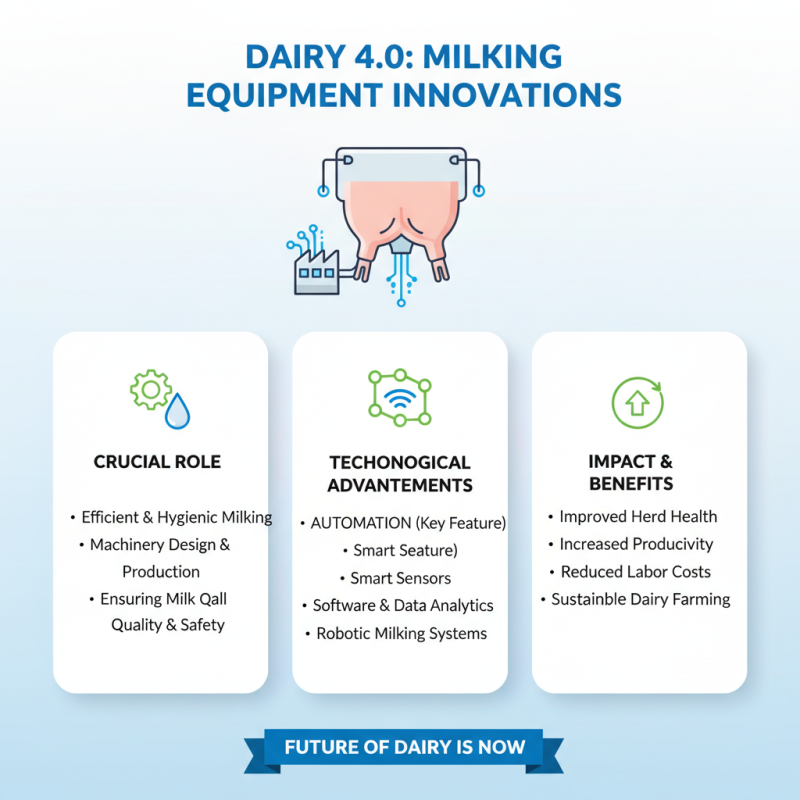
Milking equipment manufacturers play a crucial role in the dairy industry. They design and produce machinery that ensures efficient and hygienic milking processes. With the advancements in technology, this industry has experienced significant changes. Automation, for example, has become a key feature in modern milking systems. Smart sensors and software help monitor the cows' health and milk quality, improving overall productivity.
Investing in new technology can feel overwhelming. Here are some tips:
1. Research different technologies before purchasing. Understand what suits your operation best.
2. Train your staff thoroughly on new equipment. This minimizes errors and boosts confidence.
Another aspect to consider is the maintenance of milking equipment. Regular checks are essential for ensuring longevity and performance. Sometimes, outdated machinery can lead to inefficiencies. Reflecting on your current system could uncover hidden issues. It’s easy to overlook wear and tear, but addressing these problems is vital for sustained operation.
Embracing new technology requires adaptation. Many dairy farmers experience challenges with switching to automated systems. There might be initial resistance due to the learning curve. However, the long-term benefits often outweigh the struggles. Keeping an open mind about technology can lead to better outcomes.
Impact of Milking Equipment on Dairy Farm Efficiency and Productivity
The role of milking equipment in the dairy industry is crucial. Properly designed equipment can greatly enhance farm efficiency. For instance, automated milking systems save time. They allow farmers to manage larger herds without adding labor. This technology can improve both milking speed and quality. Yet, not all farms adopt these advancements.
Maintenance of milking equipment can be a challenge. Routine checks are essential to prevent breakdowns. If not properly maintained, equipment can malfunction. This leads to lower productivity and potential milk spoilage. Additionally, farmers may overestimate the ease of automated systems. Training is necessary to ensure all staff can operate these machines effectively.
Dairy farms face ongoing pressure to increase output. Investing in updated milking technology is one way to meet this demand. However, the initial costs can be daunting for smaller farms. Balancing efficiency with budget constraints remains a persistent issue. Without careful consideration, mistakes in equipment selection can affect overall performance. The right tools can enhance farm operations, but only if used effectively.
Future Trends in Milking Equipment Manufacturing and Innovation
The dairy industry is evolving rapidly. Milking equipment manufacturers are at the forefront of this change. They focus on developing innovative tools that improve efficiency and animal welfare. Automation is a major trend. Milking robots are now commonplace on many farms. These machines reduce labor costs and enhance milking precision.
Sustainability is another key focus. Manufacturers are exploring energy-efficient technologies. Many are investing in systems that recycle water and reduce waste. However, challenges remain. Not every farm can afford advanced equipment. There is also a learning curve associated with new technologies. Training staff is essential for maximizing benefits.
The future may include smarter devices. Sensors and data analytics will empower farmers to monitor cow health. This could lead to improved milk quality. However, issues such as data privacy may arise. Balancing innovation with ethical concerns is crucial. Overall, the journey of milking equipment is exciting yet imperfect.
Milking Equipment Manufacturers and Their Role in Dairy Industry
| Aspect |
Details |
| Types of Equipment |
Milking machines, bulk tanks, pasteurizers, separators, and pumps |
| Key Components |
Milk collection unit, vacuum system, pulsation mechanism, and milk transfer system |
| Role in Dairy Industry |
Increase efficiency, ensure milk quality, reduce labor costs, and promote animal welfare |
| Current Trends |
Automation, IoT integration, sustainable practices, and efficiency-driven technology |
| Future Innovations |
Smart monitoring systems, data analytics, robotics, and advanced milking techniques |
| Sustainability Focus |
Energy-efficient designs, waste reduction technologies, and eco-friendly materials |