
Sourcing milk products for global buyers in 2026 means balancing price, product fit, and dependable delivery. The OECD-FAO Agricultural Outlook 2024–2033 projects global milk production to grow by an average of 1.6% annually, reaching about 1.2 billion tonnes by 2033. That is a production forecast, not a guarantee of export availability. Buyers still need to assess which products suppliers can offer, from milk powder and butter to cheese and whey, and whether those products meet the intended market’s specifications.
The details matter. A purchase plan should define fat and protein levels, microbiological criteria, packaging, remaining shelf life, and required temperature conditions. Ask suppliers for recent certificates of analysis, traceability records, and evidence of routine quality controls. Check whether quoted prices include freight, insurance, and suitable temperature management. Small gaps can become expensive. A low unit price may not reflect the cost of delayed shipments or product that arrives outside specification.
Reliable sourcing also depends on comparing more than one supplier and testing claims against records. The FAO’s Dairy Market Review offers useful context on international dairy trade, while the OECD-FAO outlook helps frame longer-term production trends. Neither report can predict a buyer’s exact landed cost in 2026. Forecasts are not purchase orders. Buyers should confirm current quotations, lead times, and documentation directly with suppliers before committing. One uncomfortable point deserves attention: even a careful checklist cannot remove every risk. It can, however, make decisions easier to explain, verify, and improve.
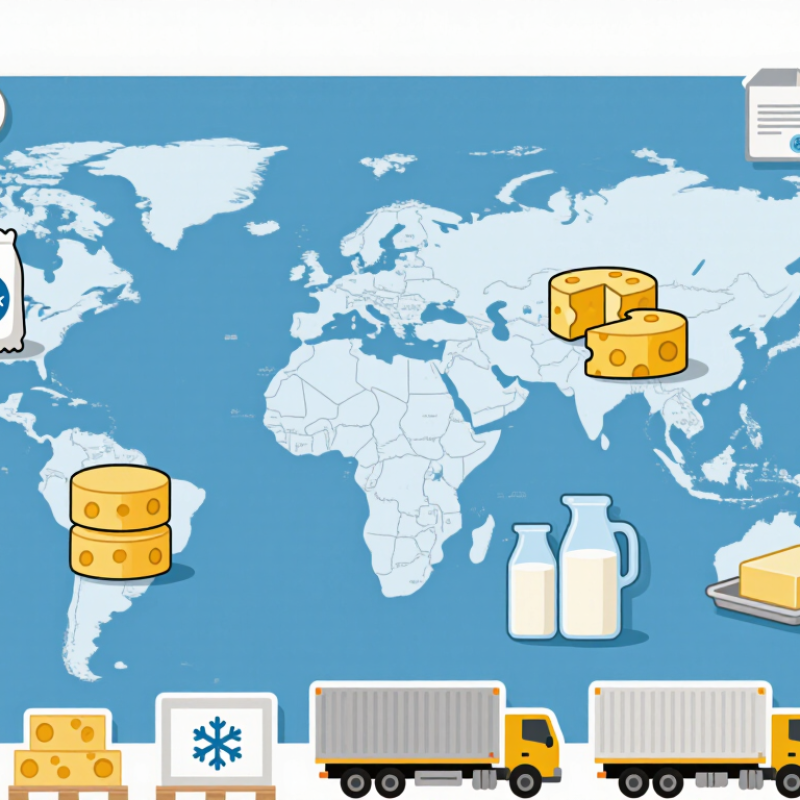
Milk products are not one purchasing category. Fluid milk needs careful attention to pasteurization, fat content, shelf life, and temperature control. Milk powder is easier to ship, but moisture levels, solubility, and packaging integrity affect performance. Butter, cheese, whey ingredients, and milk proteins each require different handling and quality checks. Start with the intended use: a bakery may prioritize predictable baking results, while a beverage maker may need consistent dissolution. Small details matter. A damaged liner or warm loading bay can undermine an otherwise sound shipment.
Global buyers should compare specifications in practical terms, not just price per tonne. Request clear details on composition, processing, allergens, microbiological criteria, batch identification, and storage conditions. Check which certificates and documents the destination market requires, since import rules and labeling expectations vary. Confirm that test reports match the product lot, and agree on sampling procedures before shipment. For chilled goods, review temperature records across transport and handover points. For powders, inspect seals and ask how humidity exposure is managed. Paperwork can look complete and still leave gaps. I would schedule a second review with the local importer, especially when a product category or market is unfamiliar.
Sourcing milk products for global buyers in 2026 requires regional judgment, not just price comparisons. Suitable producing regions should offer reliable feed supplies, stable electricity, clean water, and dependable transport. Dairy belts near ports may reduce shipping time, while inland regions can provide competitive farm-gate pricing. Weather changes everything.
Product requirements narrow the search. Fresh milk needs nearby processing and refrigerated collection. Milk powder, butter, and cheese allow longer transport, but moisture control remains essential. I assess seasonal output, herd health records, processing capacity, and export experience before contacting suppliers. A facility tour can reveal details missed in digital presentations, such as damaged insulation or poorly marked storage areas. Small gaps matter.
Reliable suppliers should provide batch records, laboratory results, allergen controls, and clear traceability to farms. I also request production calendars and backup plans for droughts, equipment failures, and port delays. Independent audits are useful, although they cannot replace regular communication. My shortlist is never perfect. A supplier may look strong on paper but struggle with smaller trial orders. I prefer a controlled sample shipment, verified specifications, and transparent correction procedures before signing a long-term agreement. Regional certificates and destination-market requirements must be checked by qualified compliance professionals, because assumptions can become costly mistakes.
For global milk product sourcing in 2026, supplier evaluation must go beyond a polished catalog. Quality begins with raw milk controls, not the final carton. Ask how farms are approved, how animals are monitored, and how antibiotics are screened. Request recent laboratory reports for fat, protein, moisture, microbiological safety, and contaminants. Compare test methods, sampling dates, and independent laboratory details. A single certificate is not enough. It may describe a system, not every shipment. This distinction is easy to miss.
Capacity needs practical proof. Review monthly output, storage temperature logs, processing schedules, and available cold-chain loading slots. A factory may quote annual capacity, yet struggle during seasonal milk shortages. Ask for peak-season production records and a written backup plan. Check whether specifications remain stable across larger orders. Run a small trial shipment first. Measure arrival temperature, packaging damage, powder flow, and response time when problems occur. Small tests reveal uncomfortable facts. Reality is messier.
Certifications should match the product and destination market. Verify certificate numbers with accredited certification bodies, then confirm scope, expiry dates, sites, and covered processes. Food safety systems, allergen controls, religious or organic claims, and export documents require separate review. Do not treat an audit score as a permanent guarantee. Re-audit critical suppliers after facility, formula, or ownership changes. Keep signed specifications, batch records, corrective-action reports, and traceability exercises. Some records will be incomplete. That weakness should be documented, corrected, and reviewed before purchase volumes increase.
Sourcing milk products for global buyers in 2026 requires more than finding a competitive supplier. The shipping plan must match the product’s temperature sensitivity, shelf life, and destination rules. Chilled products usually need stable transport between 0°C and 4°C. Frozen goods commonly require -18°C or colder. Use calibrated data loggers inside each shipment. A single temperature gap can reduce quality before customs clearance begins.
Storage planning should include verified cold rooms, backup power, and clear stock rotation. Keep incoming lots separated until documents and quality checks are complete. Check seals, carton damage, batch codes, and remaining shelf life at arrival. Reefer containers need pre-cooling before loading, not after. Small details matter. Many delays begin with incomplete paperwork.
For compliance, confirm the importer’s permits, product classification, health certificates, certificates of analysis, origin records, and allergen declarations. Labels may require local language, nutritional values, storage instructions, and date formats. Requirements can change during 2026, so consult current customs and food-safety authorities before shipment. Do not rely on an old supplier checklist. It may be wrong. A practical weakness is often overlooked: teams plan the main route but ignore port congestion or warehouse failure. Build an alternate route, emergency storage option, and documented response process before booking cargo.
For global milk-product sourcing in 2026, a contract must translate commercial promises into measurable controls. Specify product type, fat and protein ranges, moisture limits, packaging format, shelf life, and permitted storage temperatures. Attach an agreed specification sheet to the contract. Confirm destination-country food safety rules before signing. Define delivery terms, inspection points, title transfer, insurance, and procedures for rejected lots. A clear claims window matters. Include lot codes, certificates of analysis, allergen declarations, and traceability records.
Pricing should reflect more than a quoted unit value. Use a transparent formula linked to milk input costs, processing, packaging, freight, currency, and agreed market references. Set a review date, adjustment limits, and a written trigger for exceptional logistics changes. A fixed price can look safe, yet it may hide quality or supply risks. Payment terms should match inspection and document release, not vague promises. For example, retain a small balance until required documents and arrival checks are complete. This approach can strain supplier cash flow, so negotiate it openly.
Ongoing quality control begins before loading. Request pre-shipment samples, review laboratory methods, and use independent testing for disputed results. At the receiving site, record seal numbers, pallet temperatures, package damage, odor, and sample results. Trend the data monthly, not only when a shipment fails. Corrective actions need owners and deadlines. A supplier audit should examine sanitation, calibration, worker training, water quality, and cold-chain records. Digital records improve visibility, but poor data entry still weakens decisions. The process is never perfect. Review one failed or delayed lot without blame, then revise the control that failed.