

Buying Hemp Seed Protein in bulk can reduce unit costs, but the lowest price may hide important risks. Large sacks can contain inconsistent protein levels, weak packaging, or unclear testing records. A careful buyer needs more than a polished product page. They need evidence.
Nutrition researcher Dr. Emma Derbyshire has written, “Hemp seeds are a source of protein and omega-3 fatty acids.” This simple point explains why sourcing quality matters. A dependable supplier should provide a current certificate of analysis for each lot. Check the protein percentage, moisture level, microbiological results, heavy-metal screening, and allergen information. The label should also identify whether the powder is hemp seed protein concentrate, flour, or a blended product. These materials behave differently in smoothies, nutrition bars, and bakery formulas.
Look closely at the bag. Is the inner lining sealed? Does the package show a batch number, production date, and best-before date? Ask how the supplier stores pallets before shipping. Heat, humidity, and repeated handling can affect flavor and texture. Organic certification, non-GMO documentation, and traceability may also matter for your customers and market.
Do not trust vague promises.
Request samples before committing to a full pallet. Test the powder in your real recipe, not only in a glass of water. Some batches taste pleasantly nutty; others may feel gritty or overly earthy. Bulk purchasing rewards preparation, yet it can magnify a poor decision. Review payment terms, replacement policies, delivery schedules, and supplier communication. A slightly higher price may be reasonable when documentation, consistency, and responsive support are included. Still, even careful buyers can miss something. Recheck the contract before payment.
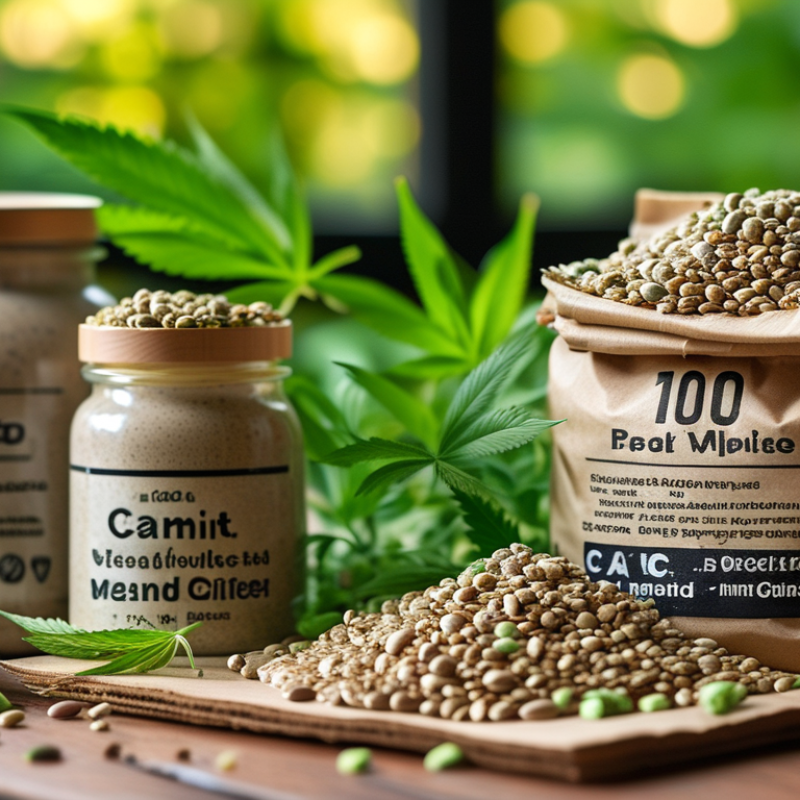
Hemp seed protein is a plant-based powder made from finely milled hemp seeds, often after part of the oil is removed. It offers protein, fiber, minerals, and useful fats. It does not produce an intoxicating effect. Its flavor is usually earthy, nutty, and slightly grassy. That taste can become stronger in older or poorly stored powder.
Its uses are practical. Blend it with milk, yogurt, oats, or fruit for a thicker breakfast shake. Stir it into soup after cooking, or add it to muffins and energy bites. Hemp protein contains all nine essential amino acids, although its amino acid balance may not match animal proteins. People with higher protein needs may combine it with beans, dairy, eggs, or other foods. Texture matters. Some powders feel sandy, especially in cold drinks.
When buying in bulk, examine the protein percentage, ingredient list, lot number, and harvest origin. Request current certificates of analysis for microbial safety, heavy metals, moisture, and pesticide residues. Check whether the package uses a sealed, food-grade barrier. Store unopened bags in a cool, dry place, then reseal them tightly after opening. Smell the powder before use. A rancid odor is a warning. I once underestimated storage humidity; the powder clumped quickly. Bulk purchasing only saves money when quality remains stable. Compare serving cost, shelf life, testing records, and return terms before ordering.
10 Tips for Buying Hemp Seed Protein in Bulk
Define your monthly volume before requesting quotes. Separate one-time stock from recurring demand. Confirm the intended use: smoothies, bars, bakery mixes, or animal-free formulations. Set a minimum protein percentage and maximum moisture level. USDA FoodData Central reports about 31.6 grams of protein per 100 grams of hulled hemp seed, but processing can change this value. Request the exact specification for the finished powder, not the raw seed.
Ask for a current certificate of analysis for every production lot. Check protein testing methods, moisture, microbiological results, heavy metals, pesticides, and allergen controls. Testing matters. EFSA’s dietary reference value for adult protein intake is 0.83 grams per kilogram of body weight daily, yet protein quantity alone does not prove product suitability. Review amino-acid data and serving-size assumptions. Confirm whether the powder is milled, concentrated, flavored, or blended. A low price can hide weaker testing or shorter shelf life. I have learned that the cheapest pallet is not always the cheapest decision.
Inspect packaging before signing a large contract. Use sealed, food-grade bags with lot numbers and clear storage instructions. Confirm minimum order quantity, lead time, replacement terms, and retained samples. Request traceability from processor to shipment. Ask for an independent laboratory report when claims seem unusually strong. Keep a small pilot batch for mixing, flavor, texture, and digestion checks. This step feels slow. It can prevent a costly full-scale mistake. Recheck the specification annually, because suppliers, harvest conditions, and processing methods can change.
Typical specification ranges for hemp seed protein powder. Always confirm the supplier’s certificate of analysis, testing method, and applicable local requirements before purchasing.
For bulk purchasing, prioritize protein concentration, moisture control, microbiological safety, heavy-metal testing, allergen information, traceability, packaging integrity, shelf life, sampling procedures, and documented batch consistency. The ranges shown are common practical targets rather than universal legal limits; product specifications vary by processing method and market.
10 Tips for Buying Hemp Seed Protein in Bulk
Comparing suppliers begins with traceability, not price. Ask for the farm region, processing site, lot number, and harvest date. A reliable supplier should provide a current certificate of analysis for every batch. Check protein content, moisture, microbiological results, heavy metals, and allergen statements. Do not accept a generic document covering several products. Samples matter. Compare aroma, color, particle size, and solubility in cold water. A slightly earthy flavor is normal, but rancid or sharp notes suggest poor storage.
Product form affects both cost and use. Fine powder blends well in beverages and nutrition bars. Granules may create a grainier texture but can reduce dust during factory handling. Confirm sieve size, packaging weight, shelf life, and storage temperature before signing a bulk contract. Request a small production trial. A sample can behave differently after mixing with oats, cocoa, or acidic ingredients. I once focused too heavily on protein percentage and overlooked dispersibility. That was an expensive lesson.
Certifications should match your market and claims. Look for recognized organic certification when organic labeling is required. Food-safety systems such as HACCP or ISO 22000 can show controlled processing, but certificates must be valid and site-specific. Ask whether the auditor verified the actual production facility. Also review recall procedures, delivery records, minimum order quantities, and lead times. The cheapest quotation may hide inconsistent batches or weak documentation. Leave room for doubt, and verify every important promise in writing.
| Tip | Buying Dimension | What to Compare | Typical Commercial Information | Certifications or Evidence to Request | Recommended Action |
|---|---|---|---|---|---|
| 1 | Protein concentration | Compare protein percentage by dry weight and confirm the testing method used on the specification sheet. | Hemp protein powder commonly contains approximately 45%–55% protein. Higher values may indicate a more extensively defatted product. | Product specification, recent certificate of analysis (COA), and laboratory method such as Kjeldahl or Dumas. | Set a minimum protein level before requesting quotations. |
| 2 | Product form | Compare finely milled powder, coarse protein flour, hemp hearts, and partially defatted seed ingredients. | Powder and flour are suitable for formulations; hemp hearts generally contain more oil and typically provide about 25%–35% protein by weight. | Particle-size specification, ingredient statement, and nutrition panel. | Choose the form that matches your mixing, baking, or extrusion process. |
| 3 | Fat and fiber levels | Review total fat, dietary fiber, and carbohydrate values because defatting changes texture, calories, and dispersibility. | More highly defatted powders generally have lower fat and a higher protein percentage, while less-refined ingredients retain more oil and flavor. | Full nutrition specification and batch COA covering fat, fiber, moisture, and ash. | Compare products on a dry-matter basis, not only by package weight. |
| 4 | Flavor and color | Assess earthy flavor, bitterness, green or beige color, aroma, and the effect of roasting or processing. | Natural hemp protein can have a nutty, earthy taste and green-to-beige color; flavor intensity varies with seed source and processing. | Retained sample, sensory specification, and lot-specific quality record. | Approve a reference sample before placing a bulk order. |
| 5 | Solubility and functionality | Test dispersibility, sedimentation, water absorption, viscosity, and performance in the finished application. | Hemp protein is generally less soluble than many isolated proteins because it contains substantial fiber and plant solids. | Technical data sheet, application test results, and recommended mixing procedure. | Run a pilot trial using the same water ratio and processing conditions used in production. |
| 6 | Microbiological safety | Check total plate count, yeast and mold, coliforms, and the presence or absence of pathogens according to the destination market. | Acceptance limits are product- and market-specific; pathogen requirements should be defined in the purchase specification rather than assumed. | Recent COA, pathogen testing, environmental monitoring summary, and food-safety audit report. | Write microbiological limits into the supply contract. |
| 7 | Contaminant testing | Review testing for heavy metals, pesticides, mycotoxins, foreign material, and cannabinoid contamination where applicable. | Testing frequency and limits depend on origin, processing, and importing regulations; hemp-seed ingredients should be assessed for contaminants relevant to the market. | Accredited-laboratory reports, pesticide panel, heavy-metal panel, and cannabinoid statement or test when required. | Use independent laboratory verification for the first shipment and periodic rechecks. |
| 8 | Certification status | Distinguish between certified organic, non-GMO claims, vegan suitability, kosher, halal, and audited food-safety systems. | Recognized evidence may include USDA or EU organic certification, a valid non-GMO verification, kosher or halal certification, HACCP, ISO 22000, or an equivalent audited system. | Current certificates showing the legal entity, product scope, site, and expiry date. | Verify certificates directly with the issuing body or certification database. |
| 9 | Bulk logistics and packaging | Compare minimum order quantity, pallet configuration, bag size, liner material, shelf life, lead time, and storage requirements. | Common bulk formats include multi-layer paper bags with food-grade liners, fiber drums, or larger tote formats; exact pack sizes vary by processor. | Packaging specification, allergen statement, shelf-life validation, and storage instructions. | Calculate landed cost per kilogram, including freight, duties, testing, and storage. |
| 10 | Traceability and supply continuity | Evaluate lot coding, country of origin, seed traceability, recall procedures, production capacity, and backup supply. | A reliable bulk program should provide lot-level traceability from raw seed through processing, packaging, and shipment. | Traceability procedure, recall plan, country-of-origin statement, audit records, and production lead-time commitment. | Request a traceability exercise before approving the supplier. |
When buying hemp seed protein in bulk, nutrition deserves close inspection. A practical buyer should compare protein per serving, amino acid details, fiber, fat, sodium, and added ingredients. Check the serving size carefully. Small details matter. A product may appear protein-rich while using an unusually small serving. Request the full specification sheet, not only the front label. I would also compare several lots, because natural ingredients can vary slightly. That variation is easy to underestimate.
Testing results should match the exact batch being purchased. Ask for a recent certificate of analysis with the lot number, test date, laboratory name, and testing methods. Review results for heavy metals, microbiological contamination, pesticides, and allergens when relevant. Confirm that the laboratory follows recognized quality standards. A polished PDF proves little without traceable sample information. This is where buyers sometimes rush. I have found that a missing page can matter more than an attractive document. If results seem vague, request clarification before payment.
Legal compliance requires attention to the destination market. Rules may differ for ingredients, labeling, imports, permitted claims, and required documentation. Check current guidance from the relevant food authority, then ask a qualified compliance professional to review uncertain points. The label should identify hemp seed protein accurately and avoid unsupported health promises. Keep supplier records, batch codes, invoices, and test reports together. Proper traceability helps resolve problems quickly. It also reveals weaknesses in your purchasing process. Bulk savings are useful, but they should never replace documented safety and lawful handling.
10 Tips for Buying Hemp Seed Protein in Bulk
Bulk purchasing starts with a complete cost calculation, not the quoted price alone. In purchasing work, I compare price per kilogram, freight, insurance, testing, storage, and payment fees. A spreadsheet helps reveal the real landed cost. Add a safety margin for currency changes and unexpected handling charges. Do not assume the largest order is cheapest. A lower unit price may create slow-moving inventory and higher warehouse expenses. Request samples and independent quality documents before approving a large shipment. Check protein content, moisture, allergens, lot numbers, and shelf life. Small details matter.
Storage needs should match your actual sales pace. Keep sealed bags on clean pallets, away from sunlight, heat, water, and strong odors. Stable, dry conditions are essential. Record temperature and humidity regularly. Use lot codes and a first-expiry, first-out system. I once underestimated pallet space; the extra handling cost erased part of the bulk discount. That mistake still influences my purchasing reviews. Leave enough room for inspection and safe movement. A crowded warehouse is not efficient.
Order terms deserve careful negotiation. Confirm the minimum order quantity, production lead time, delivery schedule, and required shelf life on arrival. Clarify whether prices include transport, insurance, taxes, or unloading. Ask how damaged packaging, shortages, delays, and rejected lots will be handled. Payment terms should match your cash flow, not only the seller’s preference. Include written quality specifications and document requirements. Verify applicable food regulations in your market. A signed agreement reduces ambiguity, though it cannot replace inspection. Perfect planning is unlikely. Regular review is necessary.