
Choosing reliable dairy equipment suppliers can shape every stage of milk processing. A dependable partner affects hygiene, production efficiency, product consistency, and long-term operating costs. The decision deserves more than a polished website or a low quotation. It requires practical evaluation.
Look closely at equipment specifications, materials, certifications, service capacity, and documented industry experience. Stainless steel surfaces should support effective cleaning and resist corrosion in demanding environments. Pumps, pasteurizers, separators, tanks, and filling systems must match the plant’s capacity and product range. Ask for technical drawings, maintenance schedules, installation procedures, and references from comparable dairy operations. A supplier that explains limitations clearly may be more trustworthy than one promising everything.
Small details often expose larger risks. Can the service team respond when a valve fails during a weekend production run? Are spare parts available locally, or will delivery take several weeks? Does the supplier provide operator training with real equipment? These questions matter. So does communication.
No supplier is perfect. That is worth remembering. A technically strong company may still have slow documentation or inconsistent follow-up. Careful buyers should record both strengths and weaknesses before signing an agreement. Independent inspections, factory visits, trial runs, and written performance requirements can reduce uncertainty. This article presents seven practical tips for comparing dairy equipment suppliers with greater confidence, using evidence rather than impressive claims. The best choice is not always the cheapest or largest supplier. It is the partner that offers safe equipment, honest guidance, responsive support, and reliable performance over time.

Before comparing suppliers, define what your dairy operation actually needs. A small cheese room, a growing milk-processing line, and a large farm have very different demands. List the products you handle, expected daily volumes, available floor space, and the number of operators. Be specific. “More capacity” is less useful than “process 2,000 liters per shift.”
Then map each step, from receiving milk to cleaning equipment after production. Note required temperatures, batch sizes, storage time, and how often equipment must run. A cooling tank that works well on paper may struggle during a hot afternoon or a sudden increase in deliveries. Include water supply, drainage, electrical capacity, and room for maintenance access. Measure doorways, too. Equipment that cannot reach the production room is an expensive surprise.
Think about hygiene and cleaning routines as operating requirements, not afterthoughts. Ask how product-contact surfaces are cleaned, how long changeovers take, and whether staff can reach fittings without awkward tools. If you rely on seasonal workers, complicated controls may create avoidable errors. Keep the plan practical. It will not be perfect, and some estimates may need revision after a trial run. Still, clear requirements help you compare suppliers on useful details, rather than polished promises.
Use the product and process requirements your equipment must meet when evaluating suppliers. These established pasteurization combinations pair a minimum temperature with a specific holding time: batch pasteurization at 63°C for 30 minutes, and high-temperature short-time (HTST) pasteurization at 72°C for 15 seconds. Temperature alone does not determine whether a process is adequate.
Verify a supplier’s experience with equipment similar to yours. Ask for installation records, service histories, and references from comparable dairy plants. Years in business alone prove little. A supplier should explain how its equipment handles washdown, temperature control, and daily production loads. Ask to see maintenance instructions, not just polished brochures.
Check certifications and compliance documents before signing. Request current certificates, their scope, and the name of the accredited certifying body. Confirm that product-contact surfaces, welds, and clean-in-place systems meet applicable food-safety and sanitation requirements. The FDA’s Grade “A” Pasteurized Milk Ordinance provides a key U.S. framework for milk processing and equipment sanitation; verify which provisions apply to your facility. Paperwork can be outdated. Check dates and model numbers against the actual equipment.
Industry figures show why careful verification matters. The International Dairy Foods Association’s 2023 report, The Economic Impact of the U.S. Dairy Industry, estimated the sector’s annual economic impact at $753 billion. That scale makes dependable, compliant equipment essential, but it does not make every supplier equally qualified. Ask for test reports, traceability documents, and written warranty terms. Have a qualified engineer review technical claims. One detail often gets missed: confirm that local technicians can provide parts and service after commissioning.
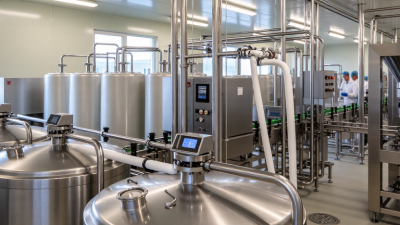
Reliable dairy equipment should perform consistently during long production shifts, not just look polished in a showroom. Ask suppliers for material specifications, weld-finish details, and documented test results. For tanks, pumps, and valves, check that product-contact surfaces are smooth and accessible for cleaning. Request a demonstration using conditions similar to your process. A quiet pump can still struggle with your actual flow rate. Ask for evidence.
Safety deserves the same scrutiny as output capacity. Review guarding, emergency stops, electrical protection, and instructions for cleaning or maintenance. Ask who provides installation training and what support is available when a part fails. Confirm that equipment documentation addresses the standards applicable to your facility. If answers are vague, pause. A useful supplier should explain risks plainly, not rush you toward a purchase.
Customization can improve workflow, but extra features are not automatically better. Share your product type, batch size, available floor space, and cleaning routine before discussing modifications. A supplier may adjust pipe connections or control layouts to fit your operation. Check how changes affect maintenance access, spare-part availability, and delivery time. I have seen teams focus on a perfect layout and overlook the space needed to remove a pump. That detail is easy to miss, and worth reviewing on-site.
Compare Installation, Training, Maintenance, and After-Sales Support
Tip: Ask who will install the equipment and what the schedule includes. A reliable supplier should explain site preparation, utility requirements, commissioning checks, and handover documents. Clarify whether installation covers testing with water or product, and who records the results. Details matter. A vague promise of “full installation” may leave gaps. Request a written scope before comparing prices, especially if your room layout or drainage needs adjustment.
Tip: Training should fit the people who will use and clean the system. Ask for hands-on instruction at the controls, not only a manual left on a desk. Operators should practice safe start-up, routine cleaning, and basic fault checks. Confirm how many staff can attend and whether refresher sessions are available. Training can feel rushed during a busy launch; plan time for questions, even if production is waiting.
Tip: Compare maintenance access and after-sales response in practical terms. Ask for recommended service intervals, common replacement parts, and typical response times for urgent calls. Find out whether support is remote, on-site, or both, and what information technicians need before arriving. A supplier should provide clear service records and escalation contacts. One small hesitation: response-time claims are not guarantees, so ask how they are measured and review sample service terms before signing.
A low quotation can look attractive beside a stainless-steel tank, but compare the full cost before deciding. Ask whether installation, operator training, spare parts, and shipping are included. Request an itemized quote, then check that each supplier priced the same capacity, material grade, and cleaning features. Small differences matter. A cheaper unit may need extra fittings or more frequent service. Keep the quote and your questions in writing; clear records make later discussions easier.
Read the warranty before signing. Check its length, covered components, labor costs, and response process. A warranty that excludes seals or electrical parts may offer less protection than its headline suggests. Ask how a service request works in practice: who answers, what information they need, and how replacement parts are shipped. Reliability is more than a polished brochure. Request references from dairy operations with equipment similar to yours, and ask about downtime, maintenance access, and support after installation. Notice whether replies are specific or vague. That is not a perfect test, and I may be putting too much weight on email habits, but slow, unclear answers deserve a closer look. Keep enough time for a site visit or a detailed video walk-through before you commit.