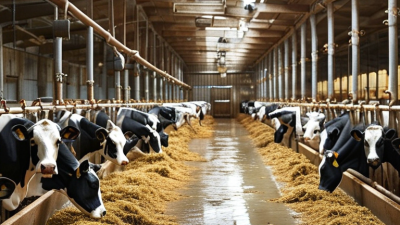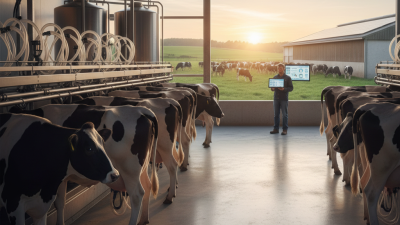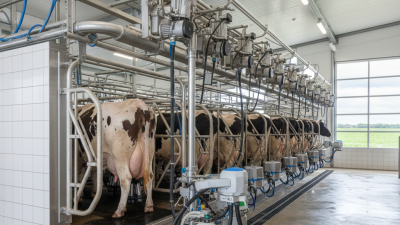

Dairy farming depends on more than healthy cows and reliable feed. The right dairy barn equipment supports milking, feeding, cleaning, ventilation, and animal comfort. It also influences labor time, hygiene, maintenance costs, and herd health. In a well-managed barn, small details matter. A clean rubber mat can reduce slipping. A correctly adjusted fan can improve airflow near resting stalls.
This guide examines ten widely used equipment types found in modern dairy facilities. They include milking systems, feed mixers, waterers, manure scrapers, bedding tools, ventilation fans, cooling systems, stall equipment, weighing devices, and calf-care equipment. Each item serves a different operational need. For example, a milking unit must protect milk quality while reducing stress during collection. A reliable water system should deliver clean water quickly, especially after milking and during hot weather. Daily checks matter more than impressive specifications.
Practical decisions require more than comparing product prices. Barn size, herd numbers, local climate, flooring, power supply, and available labor all affect equipment selection. Manufacturer instructions, veterinary guidance, and agricultural extension advice remain valuable. No list is perfect. Some farms may need specialized technology, while others benefit from simpler tools that workers can repair easily. That trade-off deserves honest attention. Equipment can fail. Budgets can change. The following overview focuses on function, safety, durability, and everyday usability, helping producers evaluate dairy barn equipment with realistic expectations rather than chasing unnecessary features.
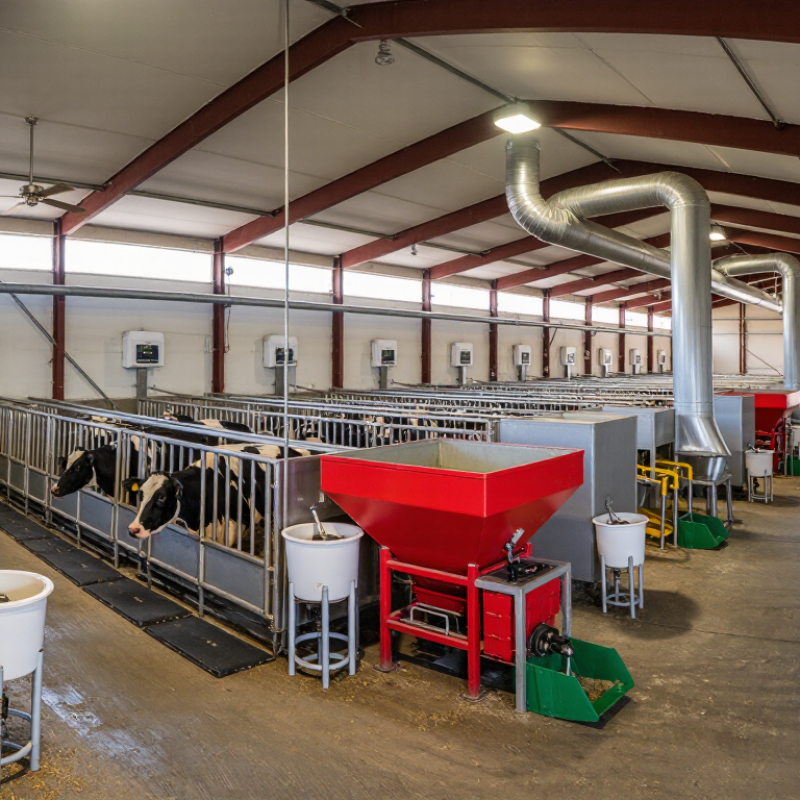
Efficient dairy barns depend on coordinated equipment, not one impressive machine. The ten essential types include milking systems, vacuum pumps, pulsators, milk pipelines, bulk tanks, plate coolers, ventilation fans, waterers, feed mixers, and manure scrapers. Each piece supports a repeated task. Together, they reduce walking, waiting, contamination risks, and heat stress. USDA NASS reported 226.4 billion pounds of U.S. milk production in 2023, with about 9.36 million milk cows. That scale makes reliable daily routines commercially important.
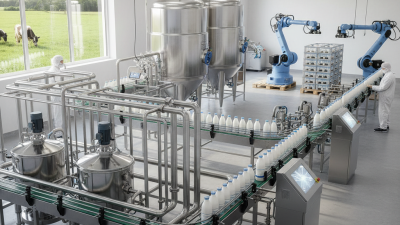
Cooling equipment protects milk quality after milking. Bulk tanks and plate coolers remove heat quickly, while pipelines limit unnecessary handling. Ventilation fans move humid air above resting cows. Clean waterers support intake, especially during hot weather. Feed mixers help distribute consistent rations, although mixing accuracy still depends on calibration and operator practice. Manure scrapers keep alleys safer and reduce labor during cleaning cycles. Small delays become expensive.
Energy performance deserves closer attention. The FAO report Pathways Towards Lower Emissions states that livestock agrifood systems produced about 6.2 gigatonnes of CO2 equivalent in 2015, or roughly 12% of human-caused emissions. Efficient motors, scheduled ventilation, and maintained vacuum systems can reduce avoidable consumption. The savings are not automatic. A clogged filter, leaking pipeline, or poorly adjusted scraper can quietly undermine the design. I would not treat automation as a cure-all. A practical inspection still includes listening for unusual pump noise, checking water flow, and recording cooling times. Industry reports guide decisions, but barn records reveal what actually happens.
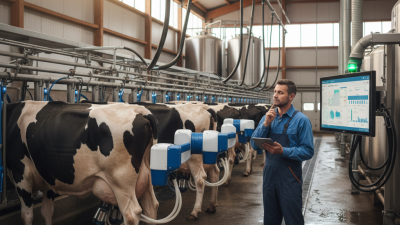
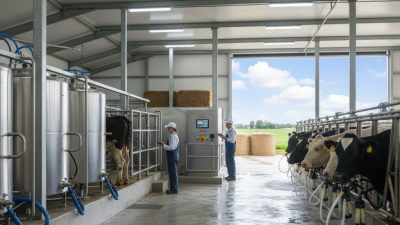
In modern dairies, hygienic milk handling begins before the first unit attaches. The most important equipment includes milking clusters, vacuum pumps, teat-cleaning systems, milk meters, sanitary pipelines, receiver jars, filters, plate coolers, storage tanks, and cleaning systems. Each part has a narrow purpose. Together, they control contact, temperature, air, and cleaning water. A well-designed milking area keeps animals comfortable and limits splashing, dust, and unnecessary handling. Clean design matters.
From practical observation, stable vacuum is easier to trust than a high setting. Pulsation must match the herd and be checked during routine maintenance. Operators should inspect liners, gaskets, joints, and hoses for cracks or trapped residue. Milk should move quickly through smooth, drainable pipelines into a cooled tank. Rapid cooling protects quality, but it cannot repair dirty equipment. Often underestimated.
Cleaning systems need correct water temperature, detergent concentration, circulation time, and drainage. Staff should verify results with visual checks, temperature records, and periodic hygiene testing. I would not rely on appearance alone. A pipe can look bright and still hold a thin film. Small oversights happen, especially during busy shifts. Reviewing failed clean cycles helps teams improve procedures without blaming individuals. Equipment records should include service dates, replaced parts, calibration checks, and corrective actions. Reliable production comes from repeatable habits, not expensive machinery alone.
What Are the Top 10 Types of Dairy Barn Equipment?
Feeding, Watering, and Calf-Care Equipment for Herd Health
In daily herd work, equipment affects intake, cleanliness, and animal comfort. A practical top ten includes feed mixers, feed carts, feed bunks, mineral feeders, water troughs, automatic waterers, milk feeders, calf pails, starter feeders, and calf pens. Each item supports a specific routine. A level feed bunk helps cows reach fresh ration evenly. A sturdy cart reduces spilled feed during morning distribution. Small details matter.
Clean water often changes behavior faster than expected. I check troughs during every feeding round, not only during scheduled cleaning. Algae, manure, and floating bedding can reduce drinking. Automatic waterers save labor, but their valves need regular testing. Water pressure may look acceptable while flow remains too slow for a crowded pen. That mistake is easy to miss.
Calf equipment needs even closer attention. Milk feeders should be rinsed immediately, while pails need separate storage after washing. Calf starter feeders should stay dry and easy to reach. Well-ventilated calf pens reduce damp bedding, although strong drafts can create another problem. I once focused on ventilation and overlooked a cold corner near the doorway. Calves there gained weight more slowly. Records, observation, and routine equipment checks provide stronger evidence than appearance alone.
Feeding, watering, milking, ventilation, manure management, and calf-care equipment all support daily herd health. The chart shows representative daily management touchpoints commonly used in dairy facilities; actual schedules vary by farm size, housing system, and automation level.
How to read the chart: Higher values indicate equipment that typically requires more frequent daily attention. Waterers, feeding systems, milking equipment, ventilation, manure removal, and calf-care equipment should be checked routinely to maintain hygiene, comfort, nutrition, and animal performance.
Good dairy barn equipment starts with air movement, heat control, and clean waste handling.
The most useful ten types include ridge vents, sidewall curtains, circulation fans, adjustable air inlets, cooling pads, sprinklers, manure scrapers, flush channels, solids separators, and covered storage tanks. Each item supports cow comfort and safer daily work.
Ridge vents release warm, moist air above the herd.
Sidewall curtains and air inlets help control drafts during cold weather.
Circulation fans should move air across the resting area, not directly into feed or bedding.
Cooling pads can lower incoming air temperature, while sprinklers wet the cows’ backs before fans evaporate the water.
Use short cooling cycles.
Constant soaking can increase humidity and dirty the floor.
Waste equipment needs equal attention.
Automatic scrapers remove manure from alleys several times daily, reducing slippery surfaces and hoof exposure.
Flush channels move waste efficiently, but they need reliable water flow and protected drainage.
Solids separators can produce drier bedding material and reduce storage volume.
Covered storage tanks limit rainwater entry and unwanted odors.
Inspect pumps, belts, curtains, and scraper blades every week.
Small failures become expensive quickly.
I have seen ventilation plans look excellent on paper yet fail because dust blocked the inlets.
Measure airflow at cow level, check humidity, and adjust equipment after observing resting behavior.
Some barns still need better shade, drainage, or operator training.
What Are the Top 10 Types of Dairy Barn Equipment?
A safe dairy barn begins with the right equipment, not the newest equipment. The ten essential categories include milking systems, vacuum pumps, milk coolers, bulk tanks, feeding systems, waterers, ventilation fans, lighting, manure scrapers, and backup power. Each item affects animal health, worker safety, or milk quality. The 2022 U.S. Census of Agriculture recorded about 9.36 million milk cows, showing the scale of equipment decisions across modern farms. Selection must match herd size, barn layout, climate, and available labor.
Maintenance should be visible and routine. Check vacuum lines for cracks, sanitize milk-contact surfaces, and inspect cooler temperatures every day. A small leak can become an expensive failure. Waterers need cleaning, not just refilling. Fans require dust removal and belt inspection. Manure equipment needs guards, lockout procedures, and clear travel paths. The Occupational Safety and Health Administration classifies manure pits as confined-space hazards, so ventilation and entry controls deserve serious attention. Electrical panels should remain dry and accessible. Backup generators need scheduled load testing.
Energy use also deserves measurement. The U.S. Department of Agriculture reports that milk cooling and ventilation can be significant farm energy loads, though results vary by system and climate. I would not choose equipment from a brochure alone. Ask for service intervals, replacement-part availability, noise levels, and recorded performance. A digital sensor may improve oversight, but it can still fail. That uncomfortable possibility belongs in the maintenance plan.
| No. | Equipment Type | Primary Function | Important Selection Criteria | Key Safety Measures | Routine Maintenance |
|---|---|---|---|---|---|
| 1 | Milking System | Milking |
|
|
|
| 2 | Milk Cooling Tank | Milk Handling |
|
|
|
| 3 | Manure Scraper or Alley Cleaner | Waste Management |
|
|
|
| 4 | Feed Mixer or Total Mixed Ration Wagon | Feed Preparation |
|
|
|
| 5 | Feed Bunk and Feed Pusher | Feed Access |
|
|
|
| 6 | Water Trough and Automatic Waterer | Hydration |
|
|
|
| 7 | Ventilation Fan and Air Inlet System | Climate Control |
|
|
|
| 8 | Bedding Distributor or Bedding Chopper | Cow Comfort |
|
|
|
| 9 | Cow Brush or Grooming Device | Animal Welfare |
|
|
|
| 10 | Livestock Handling Equipment | Animal Handling |
|
|
|