Top Dairy Barn Equipment for Global Buyers in China?
The dairy industry plays a vital role in global agriculture. For buyers seeking quality dairy barn equipment, China offers a wide variety of options. This equipment not only enhances efficiency but also supports the growth of dairy operations.
Understanding the right equipment choices can be challenging. Factors such as quality, durability, and technology need careful consideration. Buyers may find themselves overwhelmed by choices. The landscape is vast, and navigating it requires both experience and insight.
While China remains a leading manufacturer, not all suppliers are equal. Some may compromise on quality or reliability. It is essential to conduct thorough research and seek reputable manufacturers. Your choice of dairy barn equipment can significantly impact your operation’s success.
Top Dairy Barn Equipment Overview for Global Buyers
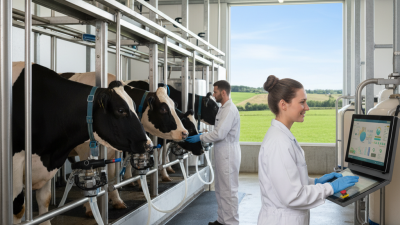
When exploring dairy barn equipment for global buyers in China, it's essential to consider several key factors. The selection of milking machines, feeding systems, and barn ventilation plays a critical role in dairy farm efficiency. Each piece of equipment should support animal welfare while optimizing production.
Tips: Regular maintenance is vital. Equipment failures can lead to significant downtime. Always keep spare parts on hand for quick replacements.
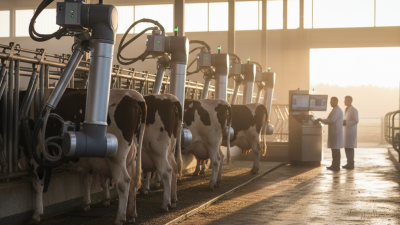
Modern milking systems have advanced significantly. Automated milking robots can enhance efficiency. However, they require careful planning and setup. Invest time in training staff to operate these systems. This investment pays off in the long run.
Tips: Evaluate your barn layout before installing new equipment. Inefficient designs lead to wasted resources.
Proper ventilation systems are necessary for cow comfort. Poor ventilation can cause health issues and reduce milk yield. Consider different ventilation options that suit your barn's design. Effective airflow systems can create a healthier environment for livestock.
Essential Milking Systems for Dairy Operations
Milking systems are crucial for efficient dairy operations. They determine the productivity of herds and the quality of milk. Various systems are available, each with its unique benefits. Choosing the right milking system can enhance the efficiency of milk collection and improve animal welfare. For instance, automatic milking systems can save time and labor costs.
A well-designed milking parlor provides a comfortable environment for cows. It ensures that the milking process is smooth and stress-free. This is important, as stress can affect milk yield and quality. Additionally, proper milking equipment should be easy to clean and maintain. This increases reliability and reduces downtime.
However, not every system fits every operation. Each dairy farm has unique needs. Factors such as herd size, budget, and management style play a role in the decision. Reflecting on past experiences can guide future choices. Being open to feedback and new technologies can lead to better outcomes. Embracing continuous improvement is essential for staying competitive in the global dairy market.
Innovative Feed Management Solutions for Efficiency
The dairy industry is undergoing significant changes, particularly in feed management. Innovative solutions are emerging to enhance both efficiency and sustainability. Recent reports indicate that nearly 60% of dairy farms are adopting technology-driven feed management systems. This shift is driven by the need to optimize resources and minimize waste.
Automated feed systems are becoming common. These systems allow for precise monitoring of feed ingredients and delivery schedules. According to industry data, farms using these solutions report a 15% reduction in feed costs. This is a notable saving for farms operating on thin margins. Additionally, automated systems help ensure that livestock receive consistent nutrition, which can improve overall productivity.
However, challenges remain. Integration of new technologies can be complex. Training staff on these systems is essential but often overlooked. Furthermore, relying too heavily on automation can lead to a disconnect between operators and day-to-day farm management. Farms must balance technology use with human expertise to achieve the best results.
Ventilation and Climate Control Technologies in Dairy Barns
Maintaining optimal climate conditions in dairy barns is critical. Effective ventilation systems help manage heat, humidity, and air quality. Cows are affected by their environment. Poor ventilation can lead to stress and lower milk production. Farmers must focus on creating comfortable living conditions for livestock.
Modern climate control technologies are essential. Automated systems can monitor temperature and humidity levels. This allows for timely adjustments. Fans, vents, and evaporative cooling systems work together to enhance airflow. Proper airflow reduces pathogen levels in the barn. It helps maintain a healthier environment for cows.
Implementing these technologies is an investment. Initial costs may be high, but the benefits can outweigh expenses. Not all systems fit every barn. It is important to evaluate specific needs. Regular maintenance of equipment is also a challenge. Farmers need to stay informed and adaptable. Sustainable practices are increasingly necessary. Balancing efficiency with animal welfare is a reflection of modern dairy farming.
Top Dairy Barn Equipment for Global Buyers in China
| Equipment Type |
Function |
Energy Source |
Price Range (USD) |
Market Trend |
| Ventilation Fans |
Circulate air to maintain optimal barn temperature |
Electric |
200 - 800 |
Increasing demand due to climate concerns |
| Cooling Pads |
Reduce barn temperature via evaporative cooling |
Water |
100 - 500 |
Growing adoption in warmer regions |
| Heating Systems |
Provide heat during cold weather |
Gas, Electric |
500 - 1500 |
Stable growth in cold climates |
| Automated Feeders |
Distribute feed automatically |
Electric |
800 - 3000 |
Increasingly popular for labor savings |
| Mist Sprayers |
Create mist to cool air and control humidity |
Water, Electric |
150 - 600 |
Emerging technology with potential growth |
Equipment Maintenance and Support Services in China
In China, equipment maintenance and support services in the dairy industry play a crucial role. With the country's dairy production forecasted to grow steadily, reliable support becomes essential. According to a recent report by the International Dairy Federation, about 30% of dairy farms in China face equipment reliability issues. Regular maintenance can help mitigate these challenges.
The need for efficient maintenance services has never been clearer. Many farms often overlook minor repairs, risking more significant breakdowns. Data from the China Agricultural Machinery Institute shows that preventive maintenance can reduce downtime by up to 40%. This approach saves not only time but also costs associated with unexpected equipment failures.
Moreover, choosing local service providers can enhance responsiveness. They understand regional challenges better. According to a survey by the China Dairy Association, 65% of dairy farmers prefer local service for quicker assistance. However, the trend shows that many farmers remain unaware of the importance of ongoing support. Investing in comprehensive maintenance programs can significantly improve the productivity of dairy operations.