Why Choose Leading Milking Equipment Manufacturers?
Choosing the right milking system affects animal welfare, labor efficiency, milk quality, and long-term farm resilience. The decision deserves more than a catalog comparison.
The OECD-FAO Agricultural Outlook 2024–2033 expects global milk production to keep growing throughout the decade. That pressure makes reliable equipment increasingly important. The IFCN Dairy Report 2024 also highlights continuing differences in farm scale, labor costs, and production efficiency worldwide. A system that works beautifully on a large rotary parlour may not suit a smaller family farm. Context matters.
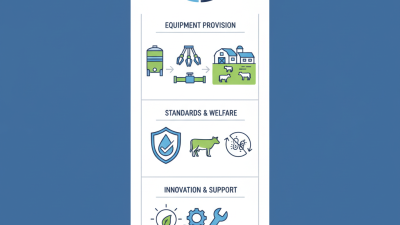
That is where experienced milking equipment manufacturers can provide real value. Leading suppliers usually offer more than pumps, clusters, and stainless-steel lines. They provide teat-cup design, vacuum control, cleaning programs, herd monitoring, installation support, and operator training. The details become visible at 5 a.m., when a worn liner leaks, a sensor misreads a cow, or a wash cycle fails.
Dr. Jeffrey Bewley, a respected precision-dairy specialist, has stated, “Technology is not a substitute for good management.” That warning remains practical. Good equipment cannot repair poor maintenance or weak staff training. It can, however, make correct routines easier to follow.
Manufacturers with proven field experience often support measurable improvements in milking consistency, labor use, and herd observation. Still, every performance claim needs careful verification. Ask for local references, service response times, maintenance records, and independent test results. The cheapest quotation may not be the lowest lifetime cost. Nor is the newest system automatically the best choice. Reliable decisions come from matching engineering quality with the farm’s actual people, cows, facilities, and future plans.
What Leading Milking Equipment Manufacturers Provide
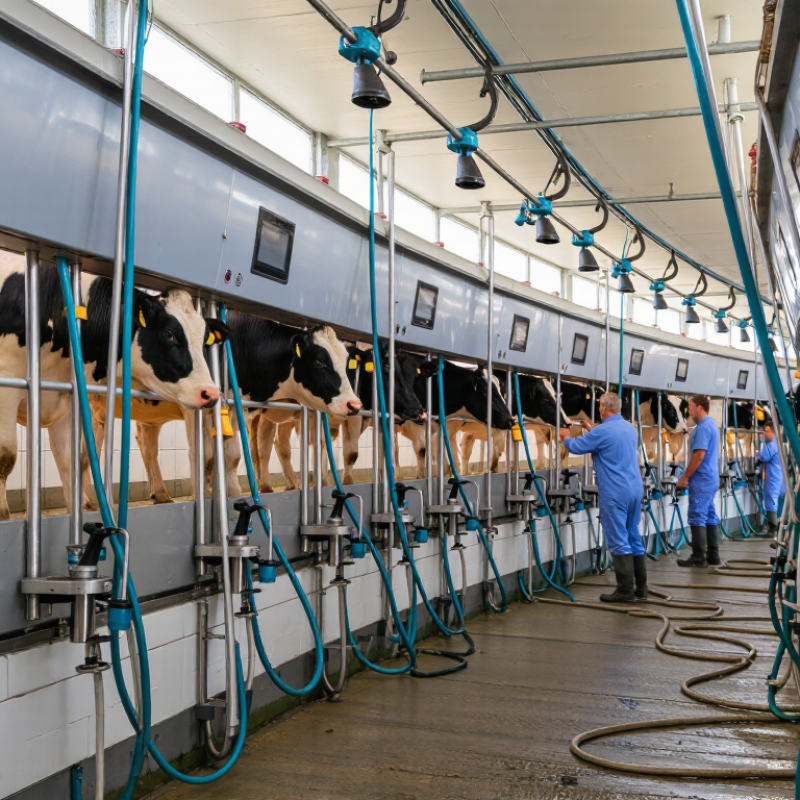
Leading milking equipment manufacturers provide more than stainless steel units and polished product catalogs. They study parlor layout, herd size, milking routines, and labor conditions before recommending equipment. An experienced supplier may inspect vacuum stability, pulsation timing, liner condition, and milk-transfer paths on site. Small details matter. A poorly fitted liner can increase teat stress, extend milking time, and complicate cleaning.
Reliable manufacturers also provide documented testing, installation guidance, operator training, and accessible maintenance support. Their systems may include automatic cluster removal, milk meters, cooling controls, and cleaning cycles with clear settings. Technicians should explain what each alarm means, not simply reset it. Useful records can show vacuum changes, cleaning temperatures, service dates, and recurring faults. This evidence helps farm managers make practical decisions instead of trusting impressive claims.
However, advanced equipment is not automatically the best choice. A complex system can frustrate workers when training is rushed or replacement parts are unclear. Leading suppliers should discuss limitations, expected upkeep, and compatibility with existing facilities. They should also adapt recommendations to local water quality, electricity reliability, and daily workloads. I would still question any proposal that promises effortless operation. Farms are different, and real performance depends on people, habits, and consistent care.
How Milking Equipment Supports Dairy Farm Operations
How Milking Equipment Supports Dairy Farm Operations
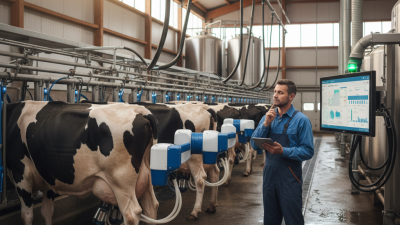
Reliable milking equipment turns a demanding routine into a more controlled daily process. FAOSTAT recorded global milk production above 900 million tonnes in recent years. That scale makes consistency essential, not optional. Properly designed systems help maintain stable vacuum, gentle milk flow, and cleaner teat preparation. These details can reduce operator variation during early morning and evening shifts. They also help workers notice abnormal milk, slipping liners, or udder changes sooner.
Leading milking equipment manufacturers usually support this work through accurate sensors, service training, and replaceable components. The United States Department of Agriculture reported approximately 226.4 billion pounds of milk production in 2023. Large volumes require equipment that handles repeated cycles without creating unnecessary delays. Automatic recording can track yield, conductivity, milking duration, and cleaning temperatures. Such records support practical decisions about maintenance, animal health, and staffing. Small data errors still matter.
A system must fit the farm, not merely look advanced. Pipe length, herd size, water pressure, and worker movement affect performance. The International Dairy Federation emphasizes hygienic design and effective cleaning across dairy operations. In practice, a poorly positioned hose can waste minutes and encourage rushed cleaning. Automation is not magic. Staff still need training, inspection routines, and clear responses to alerts. Even experienced operators sometimes trust a screen too quickly. That habit deserves review.
Key Technologies Used in Modern Milking Systems
Why Choose Leading Milking Equipment Manufacturers?
Modern milking systems combine gentle mechanics, accurate measurement, and strict hygiene controls. Their core technology starts with stable vacuum regulation. A consistent vacuum helps protect teat condition and supports efficient milk removal. Pulsation systems then alternate suction and rest phases, closely imitating a calf’s natural rhythm.
Smart sensors add another layer of control. They monitor milk flow, conductivity, temperature, and unusual changes during each session. Milk meters can identify slow flow or sudden interruptions within seconds. Automatic cluster removers reduce overmilking by detaching equipment when the flow reaches a set level. This small adjustment can improve animal comfort and reduce operator mistakes.
Clean equipment matters just as much. Automated cleaning systems circulate measured amounts of water, detergent, and sanitizer through internal lines. Effective cleaning depends on temperature, contact time, and correct chemical concentration. In practice, a clean-looking pipe is not always a hygienic pipe. That requires verification.
Data software connects these technologies. Farmers can review yield patterns, milking duration, and equipment alarms from a central dashboard. This supports earlier maintenance and more informed herd decisions. However, technology is not perfect. Sensors may drift, and poor calibration can create misleading results. Experienced operators still check hoses, liners, seals, and animal behavior every day. The best systems support human judgment rather than replace it.
Factors for Comparing Milking Equipment Manufacturers
Choosing a milking equipment manufacturer requires more than comparing catalog prices. On a working dairy, small design decisions affect udder health, labor, and milk quality. I have seen operators focus on pump capacity, then struggle with unstable vacuum during peak flow. Compare vacuum regulation, pulsation accuracy, liner compatibility, and automatic shutoff performance. Ask for test data from systems similar to yours. Laboratory results mean little when herd size and barn layout differ.
Experience is visible in installation planning. Reliable manufacturers measure pipeline length, slope, wash cycles, and available power before recommending equipment. They provide clear drawings, operator training, and cleaning procedures staff can follow at 5 a.m. Check how quickly technical support answers, not just whether support exists. Request references from farms using the equipment for several seasons. Speak with maintenance workers too. They notice recurring leaks, difficult fittings, and fragile sensors.
Compare the full cost over five years. Include consumables, replacement parts, energy use, service visits, and expected downtime. Ask whether critical parts are stocked locally and whether technicians can diagnose faults remotely. Certifications matter, but independent inspection records provide stronger evidence. I once treated a low quotation as good value; later, extra labor changed the calculation. That judgment was too simple. No comparison is perfect. Leave room for staff feedback after a trial, because equipment that looks efficient on paper may slow a real milking routine.
How to Select the Right Manufacturer for Your Farm
Why Choose Leading Milking Equipment Manufacturers?
Selecting the right manufacturer begins with your farm’s daily reality. Herd size, stall layout, labor availability, and milk volume should guide every decision. A system that suits a large dairy may burden a smaller operation. Measure the parlor carefully. Record walking distances, cleaning time, and milking duration.
Ask manufacturers for clear technical documents, installation plans, warranty terms, and service response times. Experienced suppliers should explain vacuum control, pulsation, liner changes, cooling capacity, and cleaning procedures in practical language. Request references from farms with similar herd sizes. Speak with those farmers directly. Their maintenance records may reveal more than polished sales material.
During a site visit, inspect hose routing, floor drainage, operator visibility, and animal movement. These details affect hygiene, safety, and labor fatigue. A reliable manufacturer should provide training for staff, not just equipment delivery. Confirm spare-part availability before signing anything. Delayed parts can disrupt an entire milking schedule.
Price matters, but the lowest quotation may hide frequent repairs or weak support. Compare total ownership costs over several years. Include electricity, cleaning chemicals, replacement liners, servicing, and possible upgrades. I would not pretend every forecast is accurate. Farm conditions change, and some technology may remain unused. Leave room for honest discussion and future adjustment. A careful manufacturer will admit limitations instead of promising perfect results.
Why Choose Leading Milking Equipment Manufacturers?
How to Select the Right Manufacturer for Your Farm: compare equipment against widely used dairy engineering benchmarks for stable, hygienic, and efficient milking performance.
Use these technical reference points when evaluating manufacturers. A suitable system should provide stable vacuum control, consistent pulsation, appropriate pipeline design, and cleaning performance that supports milk quality and animal health. Final specifications should be confirmed with a qualified dairy equipment technician.