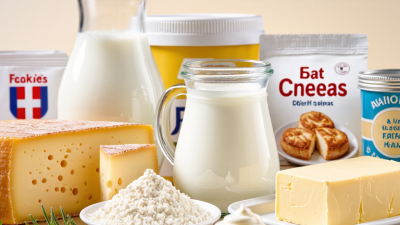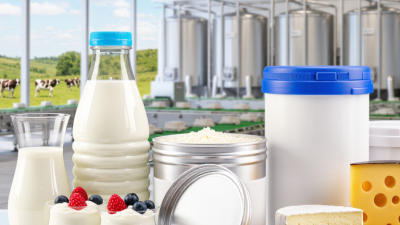

Dairy farming supplies far more than fresh milk. It supports a diverse range of ingredients and finished foods used by households, retailers, and manufacturers worldwide. This guide explores 10 best products of dairy farming for global buyers, from butter and cheese to milk powder, yogurt, cream, whey, and ghee. Each product serves different needs, and its value depends on how it is produced, processed, stored, and shipped.
Practical sourcing starts with clear specifications. Buyers should compare composition, moisture, fat content, packaging, shelf life, and intended use. A cheese suited to food service may not meet a processor’s needs, while milk powder can differ in solubility and heat treatment. Details matter. So does handling. Temperature control, traceability records, and consistent batch documentation can help buyers assess suppliers and protect product quality during transit. Requirements also vary by destination, so importers should verify applicable food standards with qualified local sources.
There is no single best product for every market. Demand, climate, logistics, consumer preferences, and processing capacity all shape a sound purchasing decision. Even familiar products can behave differently after long transport or in a new recipe. That deserves attention. The following overview compares common dairy products and highlights what buyers may want to evaluate before placing an order. It is a starting point, not a substitute for product testing or supplier due diligence.
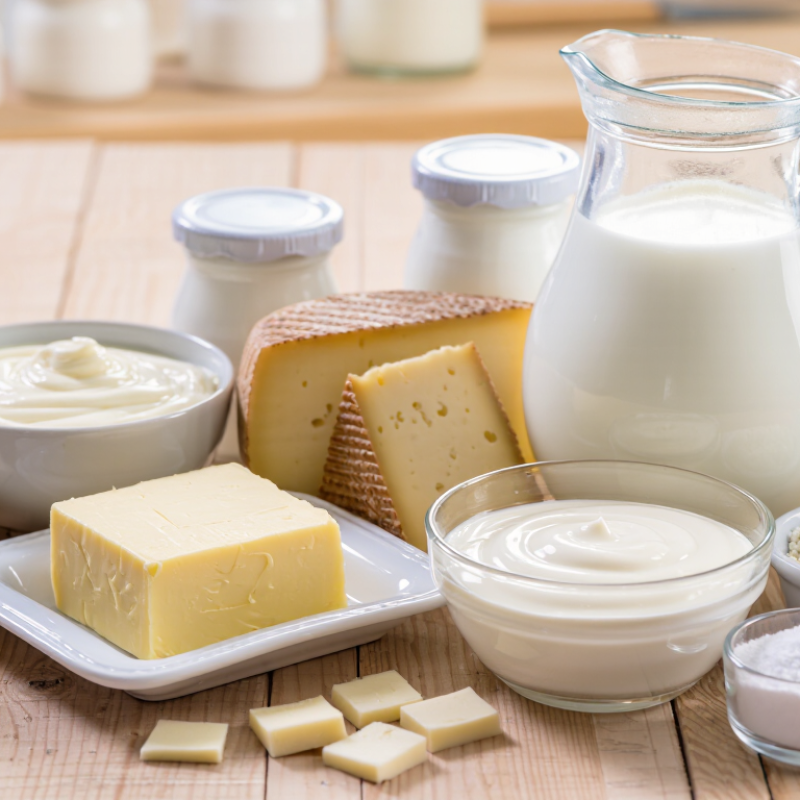
A dairy farming product for global trade is more than milk or cheese in a container. It is a clearly specified item with a defined form, composition, quality, and intended use. Common traded products include milk powder, butter, cheese, whey ingredients, and lactose. Buyers often compare measurable details, such as fat and protein levels, moisture, microbiological results, allergens, and shelf life. Specific limits depend on the product and destination. Clear test records matter.
Fresh milk is different. It spoils quickly and depends on reliable refrigeration. For processed products, packaging, storage temperature, and handling still affect quality. Small details count: a sealed liner, readable batch code, or temperature logger can help buyers check how goods were managed. Farm records on animal health, feed, and milking hygiene also support traceability. Requirements vary between markets, so one document set may not suit every shipment. And paper specifications are not the whole story. A warm loading area can weaken an otherwise sound cold chain. Global buyers therefore look for consistent products, usable documentation, and suppliers who explain problems plainly and show how they were addressed.
Ten leading dairy products can be classified by how they are processed and used. Fluid milk and cream are sold for drinking, cooking, or further production. Butter is a concentrated milk fat, while cheese ranges from soft, moist varieties to firm, aged styles. Yogurt and other fermented milks use cultures that create a tangy taste and thicker texture. Milk powder and whey ingredients are valued for longer storage and use in food manufacturing. Condensed milk is concentrated, while frozen dairy desserts need temperature-controlled handling.
Tips: Compare fat, protein, moisture, and ingredient specifications. Check the product’s storage temperature and shelf life before arranging transport. Small details matter.
For buyers, the category alone is not enough. A cheese’s moisture level affects texture and shipping needs; milk powder’s solubility can influence its performance in a recipe. Ask suppliers for a current specification sheet, batch details, and clear packaging information. Keep cold-chain records for chilled products, and confirm storage conditions on arrival. Local preferences also shape demand: one market may favor drinking yogurt, while another buys more cooking cream. These patterns can change, and product labels do not always tell the whole story. Compare samples when possible. A paper specification can look perfect, yet the product may behave differently in a real kitchen.
| No. | Dairy Product | Classification | Common Forms | Key Characteristics | Typical Buyer Uses | Storage and Trade Considerations |
|---|---|---|---|---|---|---|
| 1 | Fluid Milk | Fresh or heat-treated drinking milk | Whole, reduced-fat, low-fat, skim; pasteurized or UHT | Contains water, milk proteins, lactose, minerals, and milk fat; fat level varies by product specification. | Retail drinking milk, food service, beverages, and ingredient use. | Pasteurized milk generally requires refrigeration. UHT milk is commercially sterile before opening and is commonly distributed in sealed aseptic packaging. |
| 2 | Milk Powder | Dehydrated milk product | Whole milk powder, skim milk powder, instant or standard powder | Made by removing most of the water from milk; whole milk powder retains more milk fat than skim milk powder. | Reconstitution, bakery, confectionery, beverages, and food manufacturing. | Protect from moisture, heat, oxygen, and strong odors. Packaging and residual moisture affect shelf life and handling. |
| 3 | Cheese | Coagulated and drained milk product | Fresh, soft, semi-hard, hard, unripened, or ripened varieties | Produced by coagulating milk proteins and separating curds from whey; moisture, fat, salt, and ripening differ by type. | Retail, food service, pizza, sandwiches, cooking, and ingredient applications. | Storage conditions depend on the cheese style. Many varieties require a controlled cold chain; packaging must help protect quality and prevent contamination. |
| 4 | Butter | Concentrated milk-fat product | Salted, unsalted, cultured, or anhydrous milk fat | Made by churning cream; butter is predominantly milk fat, with smaller amounts of water and milk solids. | Baking, cooking, spreads, sauces, and food manufacturing. | Protect from heat, light, and oxygen to limit quality deterioration. Refrigerated or frozen storage is commonly used, depending on product and distribution requirements. |
| 5 | Ghee | Clarified milk-fat product | Traditional ghee; clarified butterfat | Prepared by heating butter or cream and removing most water and milk solids, leaving a high-fat product with a characteristic cooked aroma. | Cooking, frying, bakery, confectionery, and specialty food applications. | Keep sealed and protect from heat, light, and moisture. Storage life depends on processing, packaging, and handling conditions. |
| 6 | Cream | Milk-fat-enriched liquid dairy product | Light cream, whipping cream, heavy cream, sour cream | Separated from milk and available at different fat levels; some types are fermented or treated for whipping performance. | Desserts, sauces, soups, beverages, bakery, and food service. | Most liquid cream products require refrigeration. Fat content and heat treatment influence use and handling specifications. |
| 7 | Yogurt and Cultured Milk | Fermented dairy products | Set or stirred yogurt, drinkable yogurt, plain or flavored cultured milk | Made by fermenting milk with characteristic cultures; texture, acidity, and composition vary by style and formulation. | Retail foods, snacks, beverages, sauces, and food service. | Typically requires refrigeration to maintain product quality and the intended culture profile. Shelf life depends on processing and packaging. |
| 8 | Whey Products | Products recovered from cheese or casein manufacture | Whey powder, whey protein concentrate, whey protein isolate | Whey ingredients contain dairy proteins and lactose in proportions that depend on the degree of filtration and processing. | Sports and nutrition products, beverages, bakery, confectionery, and food formulation. | Dry products should be kept sealed and protected from moisture. Buyers commonly specify protein content, solubility, and other functional properties. |
| 9 | Casein and Caseinates | Milk-protein ingredients | Acid casein, rennet casein, sodium caseinate, calcium caseinate | Casein is the main protein group in milk; caseinates are produced by neutralizing casein with suitable alkalis. | Processed foods, cheese analogues, coffee whiteners, protein products, and industrial food formulations. | Usually traded as dry ingredients. Protect from moisture and confirm functional, microbiological, and composition specifications for the intended use. |
| 10 | Lactose | Milk sugar ingredient | Food-grade lactose powder and crystalline lactose | A naturally occurring sugar in milk and whey; commercial grades vary in particle size, purity, and moisture characteristics. | Food and confectionery production, bakery, infant nutrition formulations, and pharmaceutical applications. | Store dry in closed packaging to prevent moisture uptake and caking. Grade suitability depends on the buyer’s regulatory and application requirements. |
| Classification and product characteristics are general. Composition, processing, labeling rules, and storage requirements vary by product specification and destination market. Buyers should verify applicable food-safety and import requirements. | ||||||
Fresh milk and cream begin in the milking parlour, but buyers rarely receive them straight from the farm. Most farms cool milk quickly in stainless-steel tanks, then send it chilled to processors for testing and treatment. Farm dairies may also pasteurize and package milk on site. The product range includes whole, reduced-fat, and skimmed milk, plus cream separated from milk for pouring or whipping. Fat levels and flavour vary with animal species, feed, season, and processing.
Scale matters. FAO’s 2024 Dairy Market Review reported global milk production of about 965 million tonnes in 2023, across cattle, buffalo, goats, sheep, and other species. That broad supply supports distinct products, not one uniform “farm milk.” For buyers, ask for species, fat percentage, heat treatment, cooling records, and collection frequency. Check the specification against the intended use; cream for coffee may not perform like cream for whipping. Details matter.
Freshness is a handling chain. A clean, cold tank helps, but does not replace laboratory checks for composition and microbial quality. Small inconsistencies can happen. Farms should disclose them. Records of milking time, cooling temperature, and batch testing make a quote more reliable than appearance alone. FAO’s figures describe total milk output, not the share sold as fresh milk or cream, so buyers should verify local availability directly with suppliers.
Dairy products differ in how milk is cultured, separated, or aged. Cheese is made by coagulating milk and draining away whey; aging then changes its moisture, flavor, and firmness. Fresh cheese, such as a soft spreadable style, is mild and moist. Hard, aged cheese is denser and often sharper. That matters.
Yogurt is fermented milk with a spoonable texture and a tangy taste. Straining removes some whey, creating a thicker product, while added fruit or sugar changes its flavor and composition. Butter is made by churning cream until fat gathers into a solid mass. It contains far more milk fat than yogurt, and its water content affects baking and cooking. Milk remains a pourable, versatile product; cream has a higher fat content and whips more readily.
Buttermilk can mean cultured, tangy milk or the liquid left after traditional butter churning. The distinction is easy to miss. Buyers should compare ingredients, fat levels, moisture, and intended use, not rely on product names alone. For international shipping, packaging and refrigeration needs also affect quality: cheese may tolerate a different journey than fresh yogurt. A specification sheet helps, though it may not capture every texture or flavor difference. Sampling a batch is still useful.
Global buyers should assess dairy products against their intended use, not just price. Compare protein and fat content, moisture, salt, and ingredient lists across suppliers. For milk powder, request solubility and heat-stability results; for cheese, check texture and aging specifications. Confirm production dates, shelf life, packaging integrity, and temperature requirements. Small differences matter.
FAO’s Dairy Market Review 2024 estimated global milk production at 965.7 million tonnes in 2023, up 1.1% from 2022. Large supply does not guarantee consistent quality. Ask for recent batch certificates, microbiological test results, residue controls, and documented cold-chain records. Traceability should connect each lot to its production site and dispatch date. Review audit documents, too, but remember that paperwork cannot prove every shipment was handled well. A site visit or independent inspection may reveal practical gaps.
Tips: Request a sample from the actual production line, then test it under your own storage conditions. Check that quoted specifications match the contract and shipping documents. Keep a record of temperature readings at receipt. Even a careful checklist can miss a weak point. That is worth reviewing.
Protein values are approximate grams per 100 g and vary by product type, processing, and moisture content. When sourcing, buyers should also assess food-safety certification, shelf life, cold-chain requirements, specifications, and applicable import regulations.