
China Top 10 Dairy Industry Equipment Manufacturers?

China’s dairy manufacturing sector has developed a broad base of equipment suppliers. These companies serve farms, processing plants, laboratories, and packaging facilities. Their product ranges may include pasteurizers, homogenizers, separators, filling machines, storage tanks, and complete processing lines. This article examines ten notable Chinese manufacturers connected with dairy industry equipment.

The evaluation focuses on practical factors, not publicity alone. Production experience matters when a supplier must control temperature, pressure, hygiene, and product consistency. Stainless steel quality, clean-in-place design, automation, spare-part access, and commissioning support also deserve close attention. A reliable manufacturer should provide technical drawings, testing records, installation guidance, and clear maintenance instructions. References from comparable dairy plants can reveal more than a polished brochure. Real factory evidence matters.

Some details remain difficult to compare. Public information may differ between manufacturers, and advertised capacity does not always reflect daily performance. A ranking can never replace an engineering audit. Buyers should verify certifications, food-contact materials, warranty terms, and after-sales response before signing contracts. Site visits help expose small but costly weaknesses, such as poor weld finishing or limited control-panel documentation. Those issues are easy to overlook. They should not be.

The following overview offers a practical starting point for international buyers, project managers, and dairy engineers. It highlights manufacturer capabilities while recognizing that equipment suitability depends on milk volume, product type, local utilities, and compliance requirements. Careful comparison remains essential.
China Top 10 Dairy Industry Equipment Manufacturers?

Dairy Industry Equipment Manufacturing in China: Scope and Industry Definition

China’s dairy industry equipment manufacturing covers the machinery, engineering services, and technical support used across milk processing. Its scope begins with raw milk reception, weighing, filtration, cooling, and storage. It continues through pasteurization, separation, homogenization, fermentation, filling, packaging, and cold-chain handling. The scope is broad.

Manufacturers may produce complete processing lines or focus on individual systems. Common products include stainless steel tanks, plate heat exchangers, homogenizers, filling machines, cleaning-in-place units, refrigeration equipment, and wastewater treatment systems.

Reliable production depends on sanitary design, accurate temperature control, stable pressure, and easy maintenance. Food-contact surfaces often require hygienic stainless steel, polished welds, and traceable material records. Factory acceptance tests should check flow rates, sealing performance, electrical safety, and cleaning results.

Experience matters during installation and commissioning. A technically sound machine can still perform poorly if pipe slopes, drainage, or cleaning sequences are overlooked. Chinese manufacturers serve small dairy workshops, large processing plants, and export-oriented projects, so customization is common. Some suppliers integrate automation, remote monitoring, and energy-saving systems. Others mainly fabricate vessels or standard components. The industry is not perfectly uniform. A polished catalog does not always prove long-term reliability. Buyers should review test documents, service capacity, spare-parts planning, and verified operating references before selecting equipment. Definitions also vary between suppliers, especially when engineering integration is included in the manufacturing scope.

How China’s Top Dairy Equipment Manufacturers Are Selected

Selecting China’s top ten dairy equipment manufacturers requires more than checking sales volume. The process should begin with verified production data and customer evidence. China’s National Bureau of Statistics reported 41.97 million tonnes of raw milk output in 2023. The International Dairy Federation placed global milk production near 950 million tonnes that year. These figures show the scale behind China’s processing demand.

A practical selection model should assess hygienic design, automation, energy use, and lifecycle support. Equipment should handle pasteurization, separation, filling, and cleaning-in-place with stable results. Audited factory capacity matters. So do ISO 9001 systems, food-contact material records, and documented validation tests. Service response should be measured through spare-parts availability and technician coverage. A low purchase price can hide expensive downtime. Sometimes, it does.

Public market reports can support comparisons, but they cannot replace site inspections. Financial data, patent activity, export records, and independent customer references should receive separate scores. The 2024 FAO Statistical Yearbook also highlights continuing pressure on food efficiency and resource use. Therefore, water recovery, heat regeneration, and measurable power consumption deserve serious weight. No ranking is flawless. Smaller manufacturers may disclose less data, while larger suppliers may present stronger reporting rather than better machines. A reliable shortlist should record these gaps and invite third-party verification before publication.

Profiles of China’s Top 10 Dairy Industry Equipment Manufacturers

China’s top ten dairy equipment manufacturers are better assessed by capability than by publicity. A fixed ranking can mislead.

China’s National Bureau of Statistics recorded 41.97 million tonnes of raw milk in 2023, creating strong demand for efficient processing systems. The USDA Foreign Agricultural Service also identified continuing investment in China’s dairy supply chain in its 2024 Dairy and Products Annual report.

The leading profiles cover distinct manufacturing strengths.

One focuses on stainless-steel milk tanks and hygienic pipelines. Another builds milking, cooling, and storage systems. A third specializes in pasteurizers and UHT processing lines.

Other manufacturers concentrate on homogenizers, yogurt fermentation units, aseptic filling, clean-in-place systems, cheese equipment, and spray-drying technology. The tenth profile typically provides automation and complete plant integration.

Practical experience matters here. A technically impressive machine can still fail when water quality, operator training, or maintenance planning receives little attention.

Tips:

Request documented food-contact materials, CIP validation records, energy data, and factory acceptance testing. Compare installed references, not only brochures. FAO and OECD-FAO outlook data show that productivity and resource efficiency remain important across global dairy production. Buyers should also examine spare-part availability and local service response. This detail is often underestimated. In my view, “top” should include measurable uptime, transparent documentation, and safe hygienic design, although public rankings rarely disclose enough evidence for a perfect comparison.

Key Equipment Categories and Technologies They Provide

China Top 10 Dairy Industry Equipment Manufacturers?

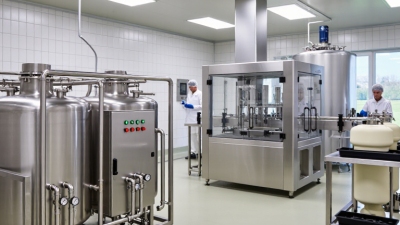
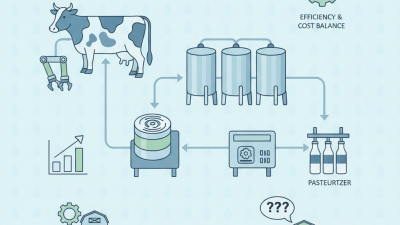
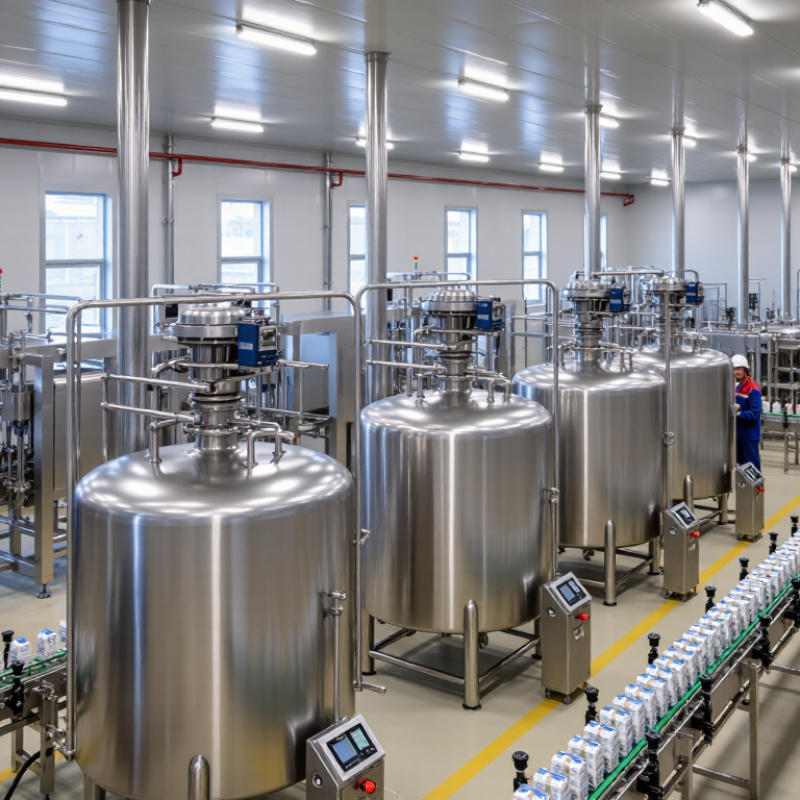
China’s leading dairy equipment manufacturers commonly supply complete processing lines and individual production units. Their main categories include milk reception systems, pasteurizers, homogenizers, separators, storage tanks, and filling machines. Some also produce cheese vats, yogurt fermentation tanks, butter churns, and spray dryers. These categories support milk, yogurt, cream, cheese, and powdered dairy production.

Hygienic design is central to modern equipment. Stainless steel 304 or 316L surfaces resist corrosion and simplify cleaning. Clean-in-place systems circulate water, alkaline detergent, acid, and sanitizer through closed pipelines. Automated temperature controls help pasteurizers maintain stable treatment conditions. Homogenizers reduce fat globules, improving texture and consistency. Membrane filtration can concentrate milk proteins with less thermal exposure. Useful technology, but not always the cheapest choice.

Details matter.

Experienced buyers should inspect weld quality, valve layout, insulation, sensor accuracy, and drainage performance. A tank may appear polished, yet poor internal welding can create cleaning risks. Energy use also deserves attention. Heat recovery from pasteurization can reduce steam and cooling demand. Reliable suppliers usually provide installation guidance, operator training, spare parts, and documented testing records. However, no manufacturer is equally strong in every category. Factory audits, sample trials, and local service checks remain necessary before signing a technical contract.

Key Dairy Industry Equipment Categories and Typical Operating Temperatures

The chart highlights common technologies supplied for industrial dairy processing. Values represent widely used reference conditions rather than company-specific performance data.

Pasteurization commonly uses 72°C for 15 seconds, while UHT processing typically operates around 135–150°C for a few seconds. Fermentation is generally conducted near 42–45°C, spray drying uses hot inlet air, and CIP systems commonly circulate alkaline cleaning solutions at approximately 70–80°C.

Market Trends and Evaluation Criteria for Dairy Equipment Buyers

China Top 10 Dairy Industry Equipment Manufacturers?

Market Trends and Evaluation Criteria for Dairy Equipment Buyers

China’s dairy equipment market is moving toward automation, energy savings, and flexible production lines. Many buyers now compare leading manufacturers by actual operating evidence, not catalog promises. A modern line may include digital temperature records, automatic cleaning systems, and sensors that detect pressure changes within seconds. These features reduce manual errors, but they also require trained technicians and reliable software support.

Hygienic design remains the essential evaluation point. Buyers should inspect stainless-steel grades, weld quality, pipe slopes, valve accessibility, and cleaning validation records. Ask for test data from a similar dairy plant. A polished factory tour can mislead. Site references matter more. Production capacity must also match product type, batch size, and local utility conditions. A small yogurt facility may not need the same system as a high-volume milk plant.

Total ownership cost deserves careful attention. Compare water use, steam demand, electricity consumption, spare-part availability, and expected maintenance hours. Check whether the manufacturer provides installation supervision, operator training, remote support, and documented service procedures. Compliance records should cover food-contact materials, workplace safety, and applicable national standards. Some evaluations overvalue purchase price. That can become expensive later. A practical scoring sheet can assign separate points for hygiene, automation, efficiency, delivery reliability, technical expertise, and after-sales response time. Talk to users who have operated the equipment for at least one production season. Their complaints may reveal more than a sales presentation.