
How to Choose Milk Products for Global Sourcing in 2026?

Global milk sourcing is entering a more demanding phase in 2026. Buyers must compare price, nutrition, shelf life, traceability, and climate exposure. Milk products are no longer judged by cost alone. A delayed shipment can affect freshness, retail availability, and consumer trust.

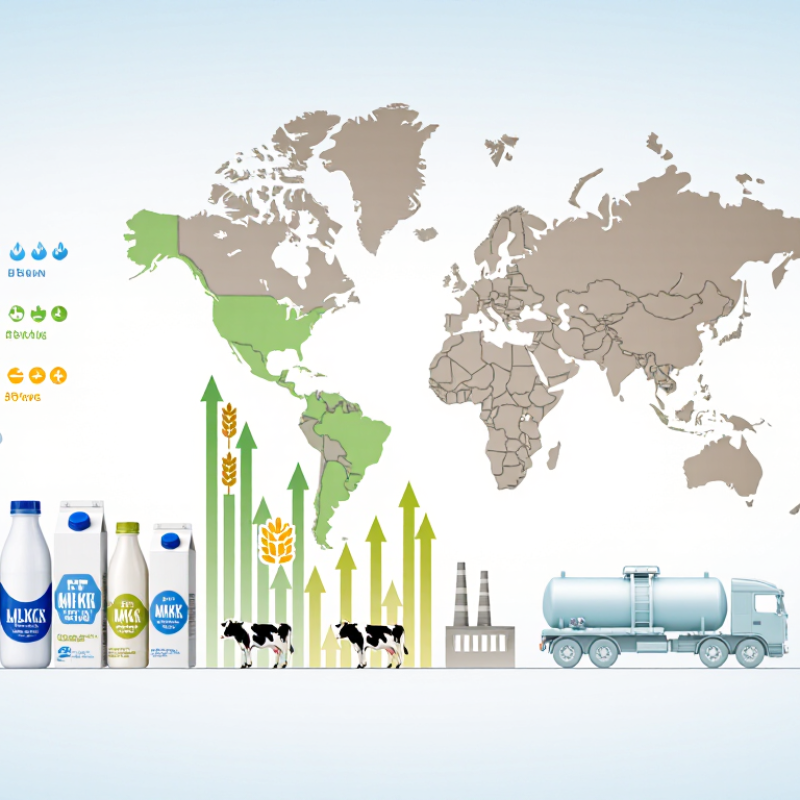
The OECD-FAO Agricultural Outlook 2025–2034 expects global milk production to keep expanding, supported by population growth and rising demand in Asia and Africa. The FAO Food Outlook also highlights pressure from feed prices, energy costs, weather disruption, and uneven trade flows. IFCN’s Dairy Report 2025 shows why regional benchmarking matters. Farm structures, productivity, and milk costs differ sharply between exporting countries. One average price cannot explain the whole market.

Dr. David M. Barbano, a respected Cornell dairy scientist, offers a useful reminder: “Milk is a complex food, not simply a commodity.” That principle should guide supplier evaluation. Ask for laboratory results, cold-chain records, animal-welfare policies, and production dates. Visit facilities when possible. A clean loading bay matters. So does a sealed tanker arriving at the agreed temperature.

The strongest sourcing decision may not be the cheapest one. It may be the supplier with clearer evidence, faster communication, and fewer quality surprises. Still, data has limits. A spreadsheet cannot taste a sour note. Buyers should test assumptions through samples, audits, and small trial orders. This guide examines practical criteria for choosing milk products with greater confidence in a volatile global market.
How to Choose Milk Products for Global Sourcing in 2026?

Define the Milk Products and Sourcing Objectives

Milk products are not one purchasing category. For global sourcing, define each item by form, function, origin, and handling needs. Your list may include whole milk powder, skim milk powder, butter, cheese, UHT milk, or concentrated milk. Each product needs a different specification.

Powdered milk needs moisture, protein, solubility, and packaging controls. Butter and cheese require clear fat, texture, salt, and temperature requirements. UHT milk may depend heavily on aseptic packaging and shelf-life validation. These differences shape supplier selection.

Then define the sourcing objectives. Set measurable targets for quality, landed cost, supply continuity, delivery time, and regulatory compliance. A practical specification should state acceptable microbiological limits, allergen controls, batch coding, storage temperature, and remaining shelf life at arrival.

Ask suppliers for certificates of analysis, traceability records, and recent independent laboratory results. Keep the documents current. Old paperwork can create false confidence.

Price matters. Yet the cheapest quote may hide higher freight, rejected batches, or unstable supply. In practical sourcing work, I have seen one delayed refrigerated shipment disrupt production schedules and customer deliveries.

Build a backup supply route when volumes justify it. Review shipping lanes, customs requirements, insurance, and emergency communication before signing.

Some assumptions will fail. That is useful. Test a small shipment, inspect the product on arrival, and compare actual performance against the original sourcing objectives.

Assess Global Market Demand and Regional Supply Conditions

How to Choose Milk Products for Global Sourcing in 2026?

When sourcing milk products in 2026, begin with demand, not a supplier’s catalogue. Study import data, retail movement, foodservice forecasts, and consumer price sensitivity. These signals often disagree. That disagreement needs investigation.

Regional demand varies by product type.

Powder may fit markets needing long shelf life and simpler storage. Fresh products require reliable refrigeration, shorter routes, and stronger inventory discipline. Cheese demand may follow hospitality growth, while butter demand can shift with bakery production. Check demand by quarter, not only by annual totals. Seasonal peaks can expose weak forecasts.

Supply conditions deserve equal attention.

Compare milk collection volumes, feed costs, weather exposure, processing capacity, and port access across regions. A low quoted price may hide expensive inland transport or unstable cold-chain performance. Ask for recent production records, laboratory results, traceability documents, and delivery histories. Verify key data through public statistics or independent assessments. Do not rely on polished presentations alone.

Some risks are easy to underestimate.

Drought can reduce output quickly. A congested port can delay temperature-sensitive cargo. Currency movement can change the real cost before arrival. Build scenarios for price, volume, and delivery time. I would also leave room for uncomfortable findings. A region may look efficient on paper but perform poorly during peak demand. Recheck assumptions before signing long-term contracts.

Compare Suppliers, Product Quality, and Production Standards

How to Choose Milk Products for Global Sourcing in 2026?

Compare Suppliers, Product Quality, and Production Standards

Global milk sourcing starts with a supplier comparison, not a low price. Request production records, recent laboratory results, and export experience for each candidate. Check whether the supplier can maintain chilled temperatures during loading, transport, and storage. A delivery arriving at 4°C tells only part of the story. Temperature logs should cover the entire route.

Product quality needs measurable evidence. Review fat, protein, moisture, acidity, microbial limits, and shelf-life results against your specification. Ask for a certificate of analysis from every production batch. Sample milk powder for color, odor, solubility, and visible particles. For liquid products, inspect packaging seals and date coding. Small inconsistencies often become costly after arrival.

Production standards show how reliable a supplier may be. Visit the facility when possible, or arrange an independent remote audit. Look for HACCP controls, traceability exercises, sanitation records, allergen management, and calibrated testing equipment. Confirm that the facility follows recognized food safety systems and meets the destination market’s requirements. Documents can look excellent.

The factory floor matters more.

Compare corrective-action speed, minimum order quantities, backup power, and raw milk collection practices. A supplier that explains failures honestly may deserve more trust than one offering perfect answers. No scorecard is perfect. Leave room for seasonal variation, shipping delays, and your own forecasting mistakes. Then test a small shipment before committing to a long-term contract.

How to Choose Milk Products for Global Sourcing in 2026?

Anonymous supplier profiles compared by product quality, production standards, supply reliability, and export readiness.

The weighted sourcing score is calculated from four practical procurement dimensions: product quality and food safety (35%), production standards (30%), supply reliability (20%), and export readiness (15%). Scores are screening benchmarks for supplier evaluation and should be verified through audits, laboratory testing, certifications, and shipment records.

Verify Compliance, Traceability, and Sustainability Practices

When sourcing milk products globally in 2026, compliance checks should begin before price negotiations.

Request current certificates, product specifications, allergen controls, and laboratory results. Verify that documents match the actual production site, not only the trading office. A reliable supplier should explain its food safety system, recall procedure, and export authorization clearly. Ask for lot-level records linking farms, collection tanks, processing dates, and shipment numbers. Temperature data should cover storage and transport, including delays at ports. Small gaps matter.

Traceability is only useful when people can use it quickly. Test the system with a mock recall and measure how fast one lot can be located. Sustainability claims require equal attention. Review energy sources, water-use records, wastewater controls, animal welfare procedures, and packaging materials. Prefer measured data over attractive promises.

Independent audits add confidence, but they do not replace direct questions or site visits. I have seen polished compliance files hide weak farm-level records. That experience changed how I assess suppliers. No supplier file is perfect. Still, unexplained inconsistencies deserve a pause, a written corrective plan, and a follow-up check. Keep evidence organized, dated, and linked to each contract. This makes responsible sourcing practical, rather than a statement on paper.

Evaluate Costs, Logistics, Risks, and Contract Terms

How to Choose Milk Products for Global Sourcing in 2026?

Milk sourcing requires more than comparing supplier quotations. Calculate the landed cost, including product price, cold-chain transport, duties, insurance, testing, and port storage. A cheaper shipment may become expensive after three days in a delayed reefer container. Confirm the required storage range, usually between 2°C and 8°C, before signing purchase terms. Check remaining shelf life at arrival, not only the production date.

Logistics risks deserve practical testing. Review transport routes, customs procedures, backup warehouses, and temperature-monitoring records. Ask suppliers for recent certificates, batch specifications, allergen information, and traceability procedures. Contract terms should define moisture or fat limits, packaging standards, inspection rights, rejected-batch procedures, payment milestones, and delivery responsibilities. Include clear rules for temperature deviations and delayed arrivals. Some plans look reliable on paper. They can still fail during a holiday closure or sudden port congestion.

Tips: Compare at least three landed-cost scenarios. Use conservative exchange-rate assumptions. Request a small trial shipment before committing to volume. Set a minimum remaining shelf-life requirement. Clarify the delivery term in plain language. Add a documented recall process and a reasonable dispute mechanism. Do not rely on verbal promises. I have seen teams overvalue low prices and underestimate waste. That mistake is avoidable, but forecasting is never perfect. Recheck the model when freight rates, energy costs, or storage conditions change.