Top 10 Milking Equipment Manufacturers in China
China’s dairy sector is becoming more technology-driven, and milking equipment now influences hygiene, labor efficiency, animal welfare, and milk consistency. The National Bureau of Statistics reported that China produced about 41.97 million tonnes of milk in 2023. USDA Foreign Agricultural Service reports also describe China as one of the world’s largest dairy markets, supported by large-scale farms and continuing modernization.
That growth creates a practical question. Which suppliers can deliver reliable performance beyond attractive product brochures? This guide examines the Top 10 Milking Equipment Manufacturers in China through an experience-based lens. It considers rotary parlors, herringbone systems, pipeline milking units, automatic cleaning systems, vacuum stability, spare-parts access, and after-sales support. Small details matter. A poorly sealed liner can affect udder health. Delayed maintenance can interrupt an entire milking shift.
Technical evaluation also follows recognized industry principles. ISO 5707 addresses milking machine construction and performance, while ISO 6690 covers testing methods. These standards provide useful reference points, although compliance claims should always be verified with current certificates and site evidence. Supplier rankings can be imperfect. Public company data is sometimes limited, and manufacturers may report capabilities differently. That limitation deserves attention.
The selected milking equipment manufacturers are therefore assessed across product depth, engineering experience, installation quality, export service, customization, and documented customer support. A strong supplier should offer more than stainless-steel equipment. It should help farms maintain stable vacuum levels, reduce cleaning risks, and keep operators confident during every milking cycle. That is where real value becomes visible.
Definition and Scope of Milking Equipment Manufacturing in China
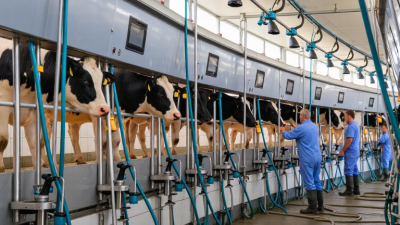
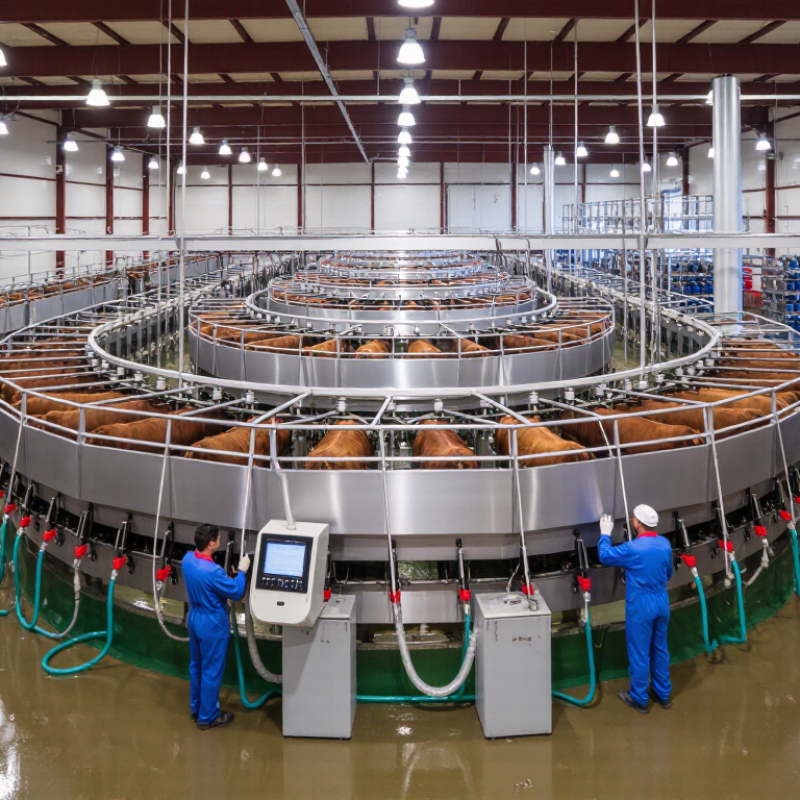
Milking equipment manufacturing in China covers more than stainless-steel milking machines. It includes automated milking systems, vacuum pumps, pulsators, milk meters, cooling tanks, pipeline units, cleaning systems, sensors, and control software. The scope also includes component machining, system integration, factory testing, installation support, and maintenance training. The boundary is not always clean.
China’s dairy scale explains this broad definition. The National Bureau of Statistics reported approximately 41.97 million tonnes of milk production in 2023. The USDA Foreign Agricultural Service also described China as one of the world’s largest dairy markets in its 2024 Dairy and Products Annual report. Large farms need stable vacuum pressure, hygienic surfaces, accurate flow measurement, and rapid cooling. Smaller farms often prefer compact systems with simpler maintenance. Manufacturing quality therefore involves both engineering precision and practical farm experience. A perfect system on paper may still fail in a dusty milking room.
Tips: Check contact surfaces, vacuum stability, cleaning cycles, spare-part access, and local technical support. ISO 5707 provides useful guidance for milking machine construction and performance. Buyers should also verify compliance with applicable Chinese standards and request test records. Report data can describe market scale, but it cannot replace on-site inspection. That limitation deserves attention.
Criteria for Ranking the Top Chinese Milking Equipment Manufacturers
Ranking the top Chinese milking equipment manufacturers requires more than comparing catalog prices. Real field experience matters. A reliable supplier should show installations across different herd sizes, climates, and barn layouts. Evidence from working farms is stronger than polished product claims. We examine milking speed, vacuum stability, animal comfort, and the cleanliness of milk-contact surfaces.
Technical expertise is another core measure. Strong manufacturers usually maintain dedicated engineering teams and documented testing procedures. Their systems should control pulsation accurately and reduce teat stress. Energy consumption, noise levels, and water use also deserve attention. Small details matter. For example, easily removable liners can shorten daily cleaning time. However, published performance figures may not reflect every farm’s conditions. That limitation should be stated clearly.
Authority and reliability depend on verifiable records. We review safety certifications, quality-control documents, warranty terms, and service response times. A serious manufacturer provides spare-part access and practical operator training. We also contact users when possible, asking about breakdown frequency, cleaning routines, and support after installation. Long-term maintenance costs can change the ranking sharply. A cheaper system may become expensive after repeated pump failures. Some evaluations remain incomplete because manufacturers disclose limited data. That gap deserves caution, not generous assumptions. Ranking decisions should therefore balance measurable performance, user experience, compliance evidence, and transparent communication.
Criteria for Ranking the Top Chinese Milking Equipment Manufacturers
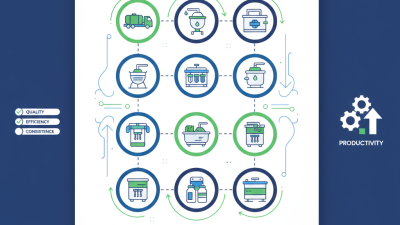
This chart presents a manufacturer-neutral evaluation framework for comparing Chinese milking equipment suppliers. The weighting emphasizes system performance, milking hygiene, after-sales support, customization capability, and long-term operating value rather than company or brand names.
Profiles of the Top 10 Milking Equipment Manufacturers in China
Top 10 Milking Equipment Manufacturers in China
Profiles of the top ten milking equipment manufacturers in China show a broad and practical manufacturing base. Several focus on compact parlors for family farms, using stainless-steel frames, transparent milk lines, and simple vacuum controls. Others build rotary systems for larger operations, with automatic cluster removal and digital milk meters. Some manufacturers specialize in cooling tanks, offering insulated vessels, rapid chilling, and temperature alarms. Their equipment usually supports common pipeline sizes and standard cleaning procedures.
A strong profile includes more than factory size. It should explain testing methods, component quality, installation support, and replacement-part availability. Look for stable vacuum performance during peak milking, consistent pulsation, and smooth welds inside milk-contact areas. Some suppliers provide remote diagnostics and operator training. Others rely heavily on local technicians. That difference matters during harvest seasons. A polished brochure is not proof. Factory audits and customer references remain valuable. No supplier gets every detail right.
Tips:
Request a complete working demonstration before purchasing. Check cleaning time with your own herd size. Ask for noise readings near the milking stall. Confirm whether seals, liners, sensors, and control boards are stocked locally. Compare warranty terms carefully. A cheaper unit may create higher labor costs later. Also, leave room for improvement; even well-designed equipment may need adjustment after installation.
Comparison of Products, Technologies, and Market Strengths
Chinese milking equipment manufacturers differ mainly in product depth, automation, and after-sales capability. China’s National Bureau of Statistics reported 41.97 million tonnes of milk production in 2023. This scale supports demand for parallel parlors, rotary systems, pipeline milking units, and compact equipment for smaller farms.
The strongest manufacturers usually combine stainless-steel frames, automatic cluster removal, milk meters, and closed-loop cleaning systems. Higher-end models add conductivity sensors, heat detection, variable-speed pumps, and cloud-based herd records.
The USDA Foreign Agricultural Service’s 2024 China Dairy and Products Annual noted continuing pressure on farm margins. Therefore, energy use and maintenance costs matter as much as headline automation. A cheaper unit may lose value through frequent liner replacement or weak technical support.
Service coverage separates the leading ten from ordinary suppliers. Regional installation teams, spare-parts warehouses, and technician training reduce downtime during peak milking hours. IFCN Dairy Research data also shows major differences in farm size and production systems across China. That makes standardization difficult.
Rotary equipment suits large, labor-saving operations, while parallel parlors often offer simpler repairs and lower investment. Automatic milking can improve labor efficiency, but it requires reliable electricity, clean housing, and disciplined herd management.
This comparison is not perfectly linear. Some manufacturers provide impressive sensors but lack mature software integration. Others offer durable mechanical systems with limited data analysis. Buyers should test cleaning performance, noise levels, operator safety, and local service response before judging technology alone.
Factors to Consider When Choosing a Chinese Milking Equipment Manufacturer
Choosing a Chinese milking equipment manufacturer requires more than comparing catalog prices. Start by examining the company’s production experience, engineering team, and completed installations. A supplier serving small farms may not understand the demands of a large rotary parlour. Ask for equipment photos, layout drawings, and measurable performance data.
Milk-contact parts should use durable, food-grade materials with smooth welds and easy access. Inspect the vacuum pump, pulsators, liners, control panel, and cleaning system carefully. Stable vacuum matters because uneven pressure can affect animal comfort and milking consistency. Request factory testing records, user references, and clear explanations of maintenance intervals. Technical confidence should be supported by evidence.
After-sales service often separates a reliable supplier from a temporary seller. Confirm spare-parts availability, response times, installation support, and remote troubleshooting methods. A written warranty is useful, but its exclusions deserve equal attention. Check packaging quality, shipping experience, manuals, and staff communication before placing an order. Certifications may support credibility, yet they should match the actual equipment and destination requirements.
Do not trust polished videos alone. A low quotation can hide weak materials or expensive replacement parts. No checklist is flawless. I would still arrange a live factory inspection or independent equipment test when possible. One overlooked detail, such as difficult cleaning access, can create daily labor costs for years.