
How to Choose Dairy Equipment in 2026?

Choosing dairy equipment in 2026 requires more than comparing prices and stainless-steel finishes. It demands evidence about milk quality, energy use, hygiene, automation, and long-term service. The OECD-FAO Agricultural Outlook 2024–2033 projects global milk production to keep expanding, increasing pressure on processors to improve throughput without weakening product safety. The International Dairy Federation’s World Dairy Situation 2024 also highlights rising efficiency demands across dairy supply chains. More milk is coming. Not every factory is ready.

Dr. David M. Barbano, a respected dairy-processing and milk-quality expert, offers a useful principle: “You cannot make a high-quality dairy product from low-quality milk.” That warning should guide every dairy equipment decision. A poorly designed transfer line can create dead zones. An undersized pasteurizer can restrict output during peak collection hours. An inefficient cooling system may quietly increase electricity costs every month. In practical terms, buyers should inspect clean-in-place performance, temperature control, pump capacity, material quality, data logging, and local technical support. Equipment brochures often look perfect. Real plants are not. They face foam, fluctuating solids, water restrictions, operator errors, and unplanned maintenance. This guide explains how to evaluate dairy equipment against those realities, while recognizing an uncomfortable truth: the cheapest installation can become the most expensive choice.
How to Choose Dairy Equipment in 2026?

Dairy Equipment Categories and Their Core Functions

Choosing dairy equipment in 2026 starts with matching each category to the farm’s actual workflow. Milking systems remove milk efficiently while protecting udder health and reducing operator strain. Parlour, pipeline, and robotic designs suit different herd sizes and labor conditions. In practice, advanced equipment can disappoint when technicians are unavailable. Simple maintenance matters.

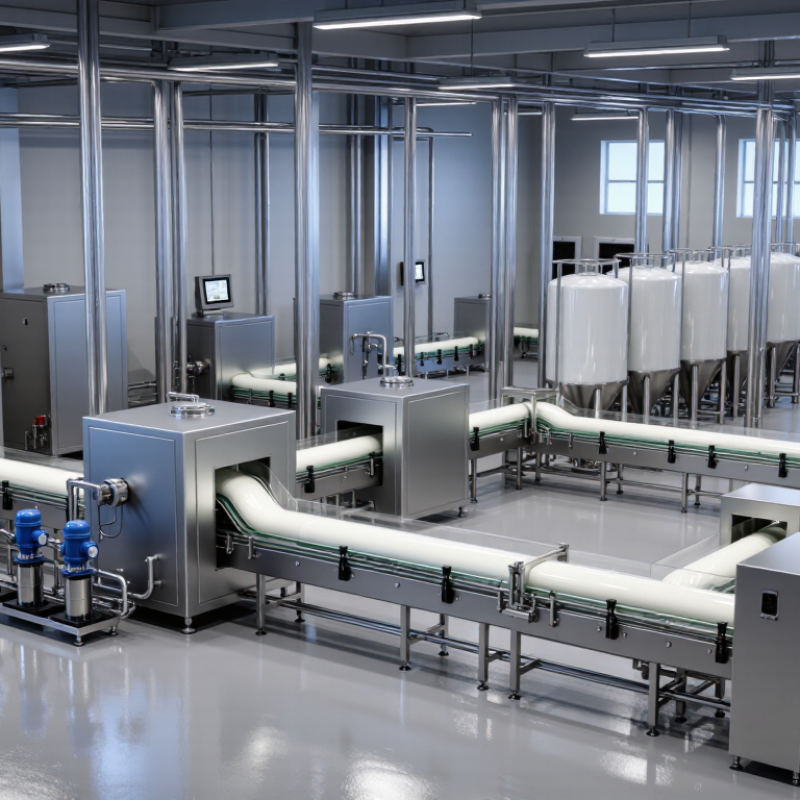
Cooling tanks lower milk temperature quickly, limiting bacterial growth before collection. Storage vessels maintain stable conditions and should provide readable temperature records. Pasteurizers use controlled heat to improve safety without damaging milk quality. Separators divide cream from milk, while homogenizers create a more consistent texture. These machines need calibrated sensors, food-contact materials, and accessible inspection points. Ask for test data, service intervals, and cleaning instructions, not capacity figures alone.

Cleaning-in-place equipment circulates water and approved detergents through pipes, valves, and tanks. It saves labor, but poor flow can leave residue in elbows and dead ends. Feed mixers and manure-handling equipment support daily production, although they are often overlooked during budgeting. Compare water use, energy demand, noise, spare-part access, and operator training. Digital monitoring can reveal temperature drift or unusual vacuum levels early. Still, data is not proof of performance. Check records on site, observe a complete cleaning cycle, and speak with daily users. Their complaints may expose weaknesses that a brochure hides.

How to Choose Dairy Equipment in 2026?

Dairy Equipment Categories and Their Core Functions

Temperature is a key planning reference when selecting dairy equipment. Chilling and storage protect milk quality at approximately 4°C, HTST pasteurization commonly operates at 72°C for 15 seconds, and UHT processing typically reaches 135–150°C for a few seconds. Separation, homogenization, and CIP systems operate within process-specific temperature ranges and should be selected according to product type, throughput, hygiene requirements, and automation level.

The chart uses representative dairy-processing temperature references; actual settings vary by product formulation, process design, and local regulations.

Assessing Farm Capacity, Product Goals, and Processing Needs

How to Choose Dairy Equipment in 2026?

Assessing Farm Capacity, Product Goals, and Processing Needs

Choosing dairy equipment starts with the farm, not the catalogue. Measure daily milk volume during peak season, not only today’s average. Include future herd growth, labor availability, water supply, and electrical capacity. A small milking operation may need compact equipment that one person can clean safely. Larger farms often require automated transfer, cooling, and monitoring systems.

Product goals shape every processing decision. Fresh milk needs dependable cooling and gentle handling. Yogurt requires controlled heating, incubation, and accurate temperature records. Cheese production demands curd-cutting tools, drainage control, and suitable pressing capacity. Confirm that product-contact surfaces are food-grade, smooth, and easy to inspect. Cleaning systems should reach valves, pipes, tanks, and hidden joints without excessive manual work.

Capacity must match the slowest step. A large pasteurizer cannot solve a bottleneck at filling or cold storage. I have seen farms buy oversized tanks, then struggle with water use and unnecessary maintenance. That choice looked efficient on paper. It was not. Ask equipment suppliers for verified throughput, cleaning requirements, service intervals, and installation conditions. Request references from farms with similar output and products. Keep room for human error. Operators may miss a temperature check or delay cleaning after a busy shift. Reliable alarms, clear controls, and simple records can protect quality when real life becomes untidy.

Comparing Materials, Hygiene Standards, and Equipment Design

How to Choose Dairy Equipment in 2026?
Comparing Materials, Hygiene Standards, and Equipment Design

Material selection begins with product chemistry, not price. For most milk applications, 304 stainless steel offers adequate corrosion resistance and manageable costs. Chloride exposure, acidic cultures, or frequent chemical cleaning may justify 316L. EHEDG hygienic design guidance commonly recommends product-contact surfaces with a roughness near Ra 0.8 micrometres or lower. A smoother finish leaves fewer hiding places for soil. It does not replace proper cleaning.

The FDA Food Code requires food-contact surfaces to be durable, corrosion-resistant, nonabsorbent, and easily cleanable. Equipment should also drain completely, avoid sharp internal corners, and limit dead legs around valves. CIP coverage deserves proof through spray testing, not confident paperwork. The CDC estimates that foodborne diseases cause about 48 million illnesses annually in the United States. That figure is broad, but it shows why small hygiene failures matter.

Design details often decide daily performance. Welds should be continuous, polished, and easy to inspect. Gaskets need compatible materials and simple replacement access. Operators should see pressure, temperature, and flow clearly. A technically compliant machine can still frustrate staff. I would question any design that depends on perfect human memory. In real plants, rushed cleaning happens. Reliability sometimes means making the wrong action difficult.

How to Choose Dairy Equipment in 2026? — Comparing Materials, Hygiene Standards, and Equipment Design
Equipment Category Preferred Product-Contact Materials Typical Surface-Finish Target Key Hygienic Design Features Cleaning and Sterilization Considerations Relevant Standards and Guidance Important Selection Checks
Milk Receiving and Storage Tanks Austenitic stainless steel
304 is common for general dairy service; 316L is preferred where chloride exposure or more aggressive cleaning chemistry is expected.
Smooth, polished product-contact surfaces; a common hygienic design target is Ra ≤ 0.8 µm, unless the applicable specification requires otherwise. Fully drainable vessel bottom, sloped piping, hygienic welds, spray-ball coverage, sealed manways, and minimal dead legs. Designed for validated CIP circulation. The tank should drain completely and avoid areas where milk solids can accumulate. EHEDG hygienic design principles; ISO 14159; EN 1672-2; applicable food-contact regulations. Confirm usable volume, agitation speed, cooling performance, outlet position, insulation, and access for inspection.
Plate Heat Exchangers and Pasteurization Systems Stainless steel plates, commonly 316L or a grade selected for the thermal process and cleaning chemistry; elastomers must be suitable for dairy contact. Smooth plate channels with no product-side crevices, damaged surfaces, or exposed corrosion. Separate product and service circuits, leak detection, accurate temperature control, flow diversion, and hygienic gasket installation. CIP temperature, chemical concentration, flow velocity, and contact time must be validated for the specific system. Gaskets require scheduled inspection. Applicable pasteurization regulations; 3-A Sanitary Standards where specified; EHEDG and ISO 14159 design principles. Check required flow rate, holding time, pressure balance, regeneration efficiency, and automatic safety controls.
Sanitary Pumps 316L stainless steel is widely selected for wetted components; elastomers may include EPDM, FKM, or other food-contact-qualified materials according to temperature and chemistry. Smooth internal surfaces, hygienic impeller geometry, and polished welds without burrs or product traps. Cavity-free seals, self-draining orientation, low-shear operation where required, and an easily inspectable seal area. Must tolerate repeated CIP cycles. Mechanical seals should be compatible with cleaning temperatures, caustic solutions, acids, and sanitizers. EHEDG guidance; ISO 14159; EN 1672-2; relevant food-contact material requirements. Compare flow rate, differential pressure, shear level, noise, seal arrangement, cleanability, and spare-part availability.
Process Piping and Tube Fittings 304 stainless steel may suit less aggressive environments; 316L is commonly preferred for product-contact piping and areas exposed to chlorides or frequent chemical cleaning. Common hygienic target: Ra ≤ 0.8 µm on product-contact surfaces. Weld interiors should be smooth, aligned, and free from discoloration or oxidation. Orbital welding, minimal dead legs, hygienic clamps, correct slope, full drainability, and no unnecessary threaded connections on product-contact lines. Pipe diameter and routing must support adequate CIP velocity. Low points and poorly positioned valves can prevent complete drainage. ISO 14159; EN 1672-2; EHEDG hygienic design guidance; applicable pressure and food-contact requirements. Verify line slope, weld quality, internal alignment, pressure rating, thermal expansion allowance, and inspection access.
Hygienic Valves 316L stainless steel wetted bodies are common. Seat and diaphragm materials must be selected for temperature, pressure, product, and cleaning chemicals. Smooth passages with minimal cavities and no exposed threads, sharp corners, or uncleanable recesses. Single-seat, double-seat, butterfly, or diaphragm designs selected according to product separation, leakage control, and process function. Valve cavities and seat areas must receive verified cleaning flow. Double-seat valves can help separate incompatible product and cleaning circuits. EHEDG guidance; 3-A requirements where applicable; ISO 14159; EN 1672-2. Check pressure drop, actuator response, seal life, product recovery, drainability, and compatibility with automated CIP sequences.
Homogenizers Product-contact parts generally use corrosion-resistant stainless steel or other qualified hygienic alloys; wear components require food-contact suitability. Smooth high-pressure passages and carefully finished valve, seat, and piston-contact surfaces. Hygienic high-pressure seals, protected lubrication systems, controlled product temperature, and designs that limit inaccessible product retention. CIP programs must account for high-pressure valve assemblies and seals. Some components may require periodic dismantling and inspection. EHEDG and ISO 14159 hygienic design principles; applicable food-contact and machinery safety requirements. Evaluate pressure range, capacity, product temperature, fat-emulsion requirements, seal replacement intervals, and maintenance access.
Separators and Clarifiers Stainless steel product-contact components, commonly selected for corrosion resistance and repeated cleaning exposure; elastomers must be food-contact qualified. Smooth bowl and product-channel surfaces with controlled finishing and no product-retaining crevices. Hygienic feed and discharge paths, controlled solids ejection, secure seals, vibration monitoring, and cleanable interfaces. Cleaning must remove fat and protein deposits from bowl components. Maintenance schedules should include inspection of seals and wear parts. EHEDG guidance; ISO 14159; EN 1672-2; applicable machinery and food-contact requirements. Compare throughput, separation efficiency, product temperature, solids capacity, vibration limits, and dismantling time.
Filling and Packaging Equipment 316L stainless steel is often selected for exposed product-contact zones; food-contact polymers may be used for seals, tubes, and disposable components when qualified. Smooth, non-porous contact surfaces and sealed external surfaces that resist moisture, product residue, and cleaning agents. Protected product zones, cleanable frame design, sloped surfaces, limited horizontal ledges, hygienic cable routing, and controlled air quality where required. The cleaning method may combine COP, foam cleaning, automated CIP, or sterilization depending on the product and packaging format. ISO 14159; EN 1672-2; applicable food-contact, packaging, and machinery hygiene requirements. Check filling accuracy, changeover time, environmental controls, container compatibility, cleaning validation, and operator access.
Gaskets, Hoses, and Flexible Connections Food-contact elastomers such as EPDM or FKM may be selected according to temperature, fat content, pressure, and chemical exposure. Material selection must be application-specific. Uniform, undamaged, non-porous surfaces without cracking, swelling, cuts, or compression damage. Correct compression, hygienic profiles, secure retention, minimal crevices, and hose routing that prevents kinking and product retention. Inspect regularly for wear, discoloration, swelling, and loss of elasticity. Replacement intervals should be based on validation and condition monitoring. Applicable food-contact regulations; EHEDG guidance; 3-A requirements where applicable. Confirm temperature range, chemical compatibility, pressure rating, bend radius, cleanability, and traceability of replacement parts.
Selection note: A hygienic material alone does not make equipment sanitary. Final selection should consider material compatibility, surface finish, weld quality, drainability, cleanability, validated CIP parameters, inspection access, and the specific requirements of the local food-safety authority.

Evaluating Automation, Energy Use, Maintenance, and Safety

How to Choose Dairy Equipment in 2026?

Choosing dairy equipment requires more than comparing purchase prices. Automation can reduce repetitive labor, but it should also provide clear controls and useful production records. A system that stops frequently may cancel its promised efficiency. Ask operators to test cleaning cycles, sensor alerts, and emergency controls before approval. Their practical feedback often reveals problems hidden in demonstrations.

Energy use deserves careful measurement. Check heating demand, water consumption, motor efficiency, and standby power. Request performance data under realistic milk volumes, not ideal conditions. Heat recovery may reduce utility costs, while variable-speed drives can limit unnecessary power use. However, complex systems may require more technical support. That trade-off needs honest review. Perfect forecasting is impossible.

Tips: Build a five-year cost estimate. Include electricity, water, spare parts, training, and downtime. Inspect access to valves, pumps, and filters. If a technician cannot reach a component safely, maintenance will probably be delayed. Keep written service records and verify cleaning temperatures with calibrated instruments. Safety guards, non-slip floors, pressure protection, and clear lockout procedures should be treated as essential, not optional. A lower-priced machine may be the wiser choice, but only when its reliability and safety evidence are strong.

Selecting Suppliers, Budgeting Costs, and Planning Installation

Choosing dairy equipment in 2026 requires more than comparing purchase prices. OECD-FAO Agricultural Outlook 2024-2033 projects continued global milk-production growth, increasing pressure on efficiency and reliable capacity. Match equipment size to realistic throughput, not an optimistic sales forecast. A 2,000-litre processing tank needs suitable floor loading, drainage, chilled-water supply, and cleaning access. Request supplier references from facilities with similar volumes. Review service response times, spare-parts availability, warranty exclusions, and training arrangements. A low bid may become expensive when a control valve fails during peak production.

Budgeting should include installation, commissioning, staff training, utilities, and planned maintenance. The U.S. Department of Energy identifies refrigeration as a major electricity load in food facilities. Therefore, compare energy performance alongside output and purchase price. Ask for verified power consumption under your operating conditions. Include pipework, electrical upgrades, ventilation, water treatment, and hygienic flooring. My first budget would have underestimated civil work. That mistake is common, and worth challenging early. Obtain separate quotations for equipment and site preparation. Require a line-by-line cost schedule.

Tips: Build a three-year ownership model. Keep a contingency of 10–15% for site changes. Visit an operating installation before signing. Measure doorway widths and service clearances yourself. Confirm every utility connection in writing. The International Dairy Federation’s guidance emphasizes hygienic design and cleanability; treat these requirements as design inputs, not finishing details. A shiny machine can still create awkward dead zones. Ask the supplier to demonstrate cleaning access with tools and protective equipment.