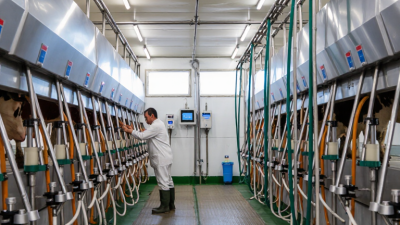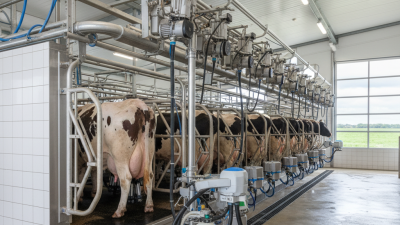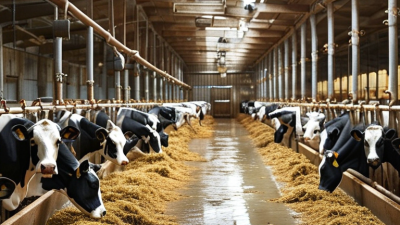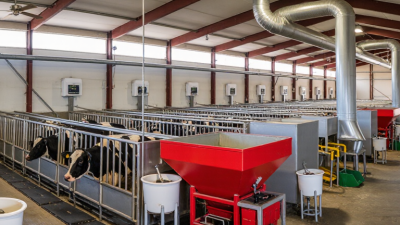

Choosing milking parlour equipment in 2026 is not simply a matter of buying the fastest system. The right setup must suit herd size, cow flow, labour availability, and the farm’s daily routine. A parlour can look impressive on paper and still create bottlenecks at the entrance or slow cleaning after milking. Small details matter. Think clear sightlines, reachable controls, reliable cluster removal, and floors that are practical to wash.
Milking-systems specialist Dr. Douglas Reinemann’s work offers a useful technical lens. An editorial paraphrase of that guidance is: “Match equipment to cow flow, operator routines, and cleaning capacity.” This is a paraphrase, not a verified verbatim quotation. That distinction matters when comparing advice. A sound assessment should consider teat-cup performance, vacuum stability, service access, data records, and how comfortably cows enter and leave the parlour. Ask suppliers to demonstrate the equipment under realistic conditions, not only in a polished showroom.
This guide examines those decisions, from parlour type and automation to installation, maintenance, and long-term costs. It also considers what happens when a sensor fails during a busy morning or spare parts take longer than expected. No system is perfect. Farms differ, and even a carefully planned layout may reveal awkward steps once staff use it every day. The goal is equipment that supports consistent milking, good cow handling, and a workflow your team can actually maintain.
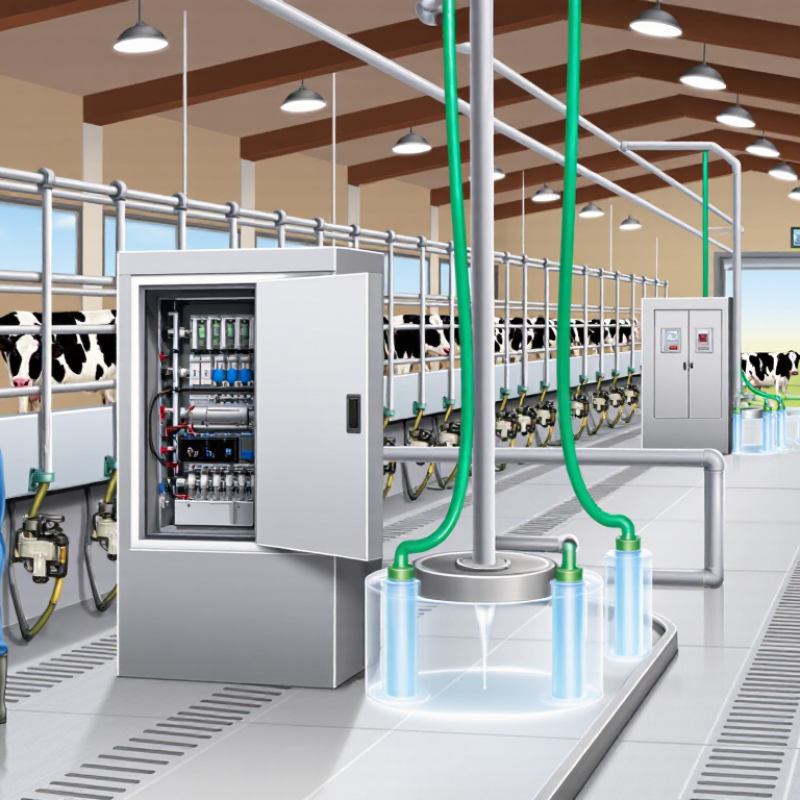
Begin with the number of cows milked per session, not the herd’s headline size. Record peak-hour arrivals, shift length, and time spent washing equipment.
The USDA National Agricultural Statistics Service reported average U.S. milk production of 24,117 pounds per cow in its 2023 Milk Production report. That figure offers context, not a sizing formula; your herd’s yield and milking frequency matter more.
Match the parlour layout to the daily routine. A herringbone or parallel system may suit a steady batch flow, while other layouts may fit different labor patterns.
Penn State Extension’s dairy facility guidance emphasizes planning around cow movement, worker tasks, and equipment access. Walk the route from holding area to exit. Watch for tight turns, slippery spots, and places where cows pause.
Small details matter.
Then check farm requirements: available building space, water supply, electrical capacity, cleaning workflow, and room for future herd changes. Ask suppliers for realistic throughput estimates using your own herd and staffing, not best-case figures.
I would challenge one assumption: faster equipment does not automatically mean a faster shift. If fetching cows or cleaning takes longer, the bottleneck remains. Measure a normal milking, including the awkward parts, before finalizing the specification.
Choosing milking parlour equipment starts with the route cows take, not just the number of stalls. Herringbone parlours offer a clear working line and can suit farms with steady groups. Side-by-side designs allow quick entry and exit, but require careful planning around gates and holding areas. Rotary parlours keep cows moving in a continuous loop; they may help manage larger groups, though the platform and entry pace need to match herd size. Small details matter. A narrow turn or slippery threshold can slow the whole routine.
Tips: Observe cow movement during a busy milking. Note hesitation at doors, bunching near the parlour entrance, and time spent waiting. Ask the installer to model the route from the holding pen through milking and back to the barn.
Good cow flow depends on more than parlour shape. Lighting, footing, gate placement, and familiar routes all influence how readily cows enter. Leave enough room for calm turning, and avoid abrupt changes in floor texture. Compare designs using your actual group size and staff routine, not a supplier’s ideal demonstration. A layout can look efficient on paper and still create a bottleneck at the exit. I would also review the plan after observing several sessions; one awkward corner may be easy to miss during a walkthrough.
Choosing milking parlour equipment in 2026 starts with the daily routine, not a feature list. Match stall layout and milking units to herd size, cow flow, and the time available for each milking. Check that operators can reach controls comfortably and clean surfaces without awkward bending. Small details matter. A hose that crosses a walkway can slow work and create a trip hazard.
Automation can help with cluster attachment, take-off, and routine monitoring, but it should fit staff skills and maintenance capacity. Ask how equipment behaves during a sensor failure or power interruption. Data systems should present useful measures, such as milking duration, yield trends, and alerts, in a format staff can act on. Confirm that records can be exported and that staff understand how readings are collected. A polished dashboard is not proof of better decisions; confusing alerts can become background noise.
Tips: Watch a full milking cycle before choosing. Ask operators where delays happen, then test equipment in a realistic workflow. Compare cleaning time, spare-part access, and support response—not just purchase cost. Leave room for doubt: projected savings may not match your farm’s results, so review performance after installation.
Use this practical comparison to match equipment to herd size, labour availability, parlour layout, milk-quality goals, and future expansion. Actual capacity and specifications depend on the facility, cow flow, management, and system design.
| Equipment or System | Main Function | Options to Compare | What to Evaluate | Useful Data or Checks |
|---|---|---|---|---|
| Parlour layout | Positions cows for milking and supports orderly entry and exit. | Herringbone, parallel, rotary, or a retrofit of the existing layout. | Herd size, available building space, cow flow, operator workflow, and plans for expansion. | Review group size, entry and exit times, milking routine, and observed bottlenecks during busy sessions. |
| Milking units and clusters | Apply and remove teat cups while conveying milk from the cow. | Cluster design, liner type, unit weight, milk tube arrangement, and manual or automatic cup removal. | Fit across the herd, ease of handling, liner replacement requirements, and compatibility with the milk line and cleaning system. | Track liner age and replacement schedule; observe attachment, slipping, unit alignment, and teat condition. |
| Vacuum system | Provides the operating vacuum needed for milking and other system functions. | Pump type and capacity, variable-speed control, reserve capacity, and vacuum regulation. | Sizing for simultaneous unit use, system leakage, service access, energy use, and stable performance during changing demand. | Have a qualified technician assess operating vacuum, reserve capacity, air leakage, and vacuum stability under working conditions. |
| Pulsation system | Alternates vacuum and massage phases in the teat-cup liners. | Pulsator configuration, electronic or pneumatic control, and monitoring provisions. | Correct function across units, ease of testing, maintainability, and conformity with equipment design requirements. | Test pulsation rate, ratio, and performance regularly using appropriate test equipment and qualified service support. |
| Milk meters and yield recording | Measure or record milk yield by cow or milking session. | Electronic meters, sampled measurement, or integration with existing herd-management records. | Measurement consistency, cleaning compatibility, data export, calibration, and availability of service. | Check calibration procedures, cow-level record completeness, and whether data can be exported in a usable format. |
| Automatic cluster removal | Removes the milking unit when the configured end-of-milking conditions are met. | Individual or group removal, adjustable settings, and integration with milk meters or stall controls. | Settings flexibility, staff training, reliability, and suitability for the farm’s milking routine. | Review take-off settings with a qualified adviser; monitor premature removals, manual overrides, and unit reattachments. |
| Cow identification | Links a cow’s identity to milking, production, and management records. | Manual entry, electronic identification, or integration with existing animal records. | Read reliability, compatibility with existing identification, handling of missed reads, and data ownership. | Test identification in the actual parlour environment and confirm that records remain linked correctly after software changes. |
| Milking-point automation | Automates selected tasks such as stall controls, operator prompts, or collection of milking data. | Basic controls, automated routines, alerts, and links to cow identification or yield systems. | Labour workflow, ease of manual override, fault alerts, training needs, and support during downtime. | Compare actual task time, alarm frequency, manual interventions, and service response rather than relying only on feature lists. |
| Milk cooling and storage | Cools and stores milk before collection while maintaining milk quality. | Tank capacity, cooling arrangement, agitation, temperature monitoring, and heat-recovery options. | Milk volume and collection schedule, cooling performance, energy supply, cleaning access, and applicable local requirements. | Verify temperature records, cleaning cycles, tank capacity for expected production, and alarms for cooling or power failures. |
| Cleaning and wash system | Cleans milk-contact surfaces between milking sessions. | Automatic or supervised wash cycles, chemical dosing, water heating, and cycle monitoring. | System-specific wash requirements, water quality, chemical handling, energy demand, and verification of complete circulation. | Record cycle completion and investigate missed steps, abnormal temperatures, dosing faults, or visible residue. |
| Herd-management and data system | Stores and presents milking, cow, and operational information for farm decisions. | Local computer, cloud-connected software, or a system integrated with existing farm records. | Interoperability, offline operation, user access, data export, backup, privacy, and ongoing software support. | Confirm who owns and can export the data, how backups work, and whether records remain accessible during internet or service outages. |
| Serviceability and lifecycle cost | Determines how reliably the system can be maintained over its working life. | Preventive maintenance plan, spare-parts access, staff training, warranty, and service arrangements. | Purchase and installation costs, energy and water use, consumables, downtime risk, and upgrade requirements. | Compare total ownership costs over the expected service period and request a written maintenance and support plan. |
Selection note: Confirm final system sizing, installation requirements, hygiene procedures, and performance settings with a qualified dairy-equipment professional. Requirements vary by farm, equipment design, and local regulations.
A good milking parlour should make cleaning routine, not a daily wrestling match. Check that floors drain well, joints are sealed, and clusters and hoses can be reached without awkward bending. Ask how the wash cycle controls water temperature and detergent dosage, then verify those settings during a site visit. Small details matter. The European Food Safety Authority’s 2023 scientific opinion on dairy-cow welfare recommends at least 12 hours of daily lying time. Parlour flow should therefore avoid needless waiting and pressure that disrupts cows’ resting routines. Look for non-slip footing, clear exits, and gates that move smoothly without trapping tails or limbs.
Safety and support deserve the same scrutiny as milking speed. Test emergency stops, inspect guards around moving parts, and ask who trains staff to use and clean the system. Request a written maintenance schedule, realistic response times, and confirmation that common replacement parts are locally available. Keep it washable. A polished demonstration is not the same as a reliable service plan. Compare the supplier’s claims with references from farms using similar herd sizes and milking schedules. Ask what happens during a weekend breakdown, and whether service records are shared after each visit. I would not assume the most automated option is automatically the best; complicated controls can be a poor fit when staff training is rushed.
In 2026, compare milking parlour equipment by its full working life, not just the purchase quote. Include installation, scheduled servicing, replacement parts, energy, water, and downtime in a five- to ten-year estimate. Ask suppliers to separate fixed costs from assumptions, such as herd growth and utility rates. A lower initial price may look different once maintenance and labor are included.
Before signing, walk the site with the installer and check floor drains, electrical capacity, water pressure, and access for delivery. Measure doorways and note any pipework or concrete that may need alteration. Map cow movement from holding area to parlour; a layout that slows entry can add labor every shift. Small details matter. Confirm lead times, commissioning, staff training, and who handles adjustments after handover. Expect disruption.
Build a base estimate and a higher-cost scenario for delays or extra building work. Compare both against the equipment’s expected service life, and ask how often key parts may need replacement. No forecast is exact. A spreadsheet can miss a buried pipe or a busy calving season, so revisit the plan after a physical survey. Leave a practical contingency rather than pretending every cost is known.
Compare illustrative 10-year lifecycle costs for three parlour configurations serving a 500-cow dairy.
Planning takeaway: The lowest initial cost is not necessarily the lowest-cost option over time. Include labor, maintenance, and utilities when comparing equipment, and confirm expected throughput against your herd size and milking schedule.
Illustrative planning estimates in USD thousands, not supplier quotes. Assumes a 500-cow dairy and labor valued at $25 per hour; actual costs depend on site conditions, specifications, local labor rates, and installation scope. Obtain itemized quotations and plan construction, utilities, commissioning, and staff training before installation.