What Are Milk Producing Products and How Do They Work?
Milk producing products are marketed to parents who want to increase breast milk supply. They may include teas, powders, cookies, capsules, and fortified drinks. Some products contain herbs such as fenugreek, blessed thistle, or fennel. Others provide calories, protein, iron, or hydration. Their promises can sound reassuring. The evidence is less simple.
Milk production depends mainly on regular milk removal. A baby’s effective latch, frequent feeding, and breast pumping can signal the body to produce more milk. Hormones also play important roles. Prolactin supports milk production, while oxytocin helps release milk from the breast. Some products may influence these pathways, but research results remain inconsistent. A pleasant drink cannot replace skilled feeding support.
That distinction matters.
A lactation consultant, midwife, pharmacist, or healthcare professional can help identify the real problem. Low supply may relate to poor latch, missed feeds, certain medicines, thyroid conditions, or previous breast surgery. Product labels also deserve careful attention. “Natural” does not automatically mean safe, especially during breastfeeding. Ingredients can cause allergies, digestive symptoms, medication interactions, or unwanted effects in infants.
The strongest guidance comes from qualified professionals and reputable health organizations. Product quality can vary between brands and countries. Even experienced parents may misread normal newborn feeding patterns as inadequate supply. This is where I need to be cautious: marketing often presents a neat solution, while lactation is more individual and unpredictable. A thoughtful approach combines observation, feeding assessment, reliable evidence, and realistic expectations.
What Milk-Producing Products Are
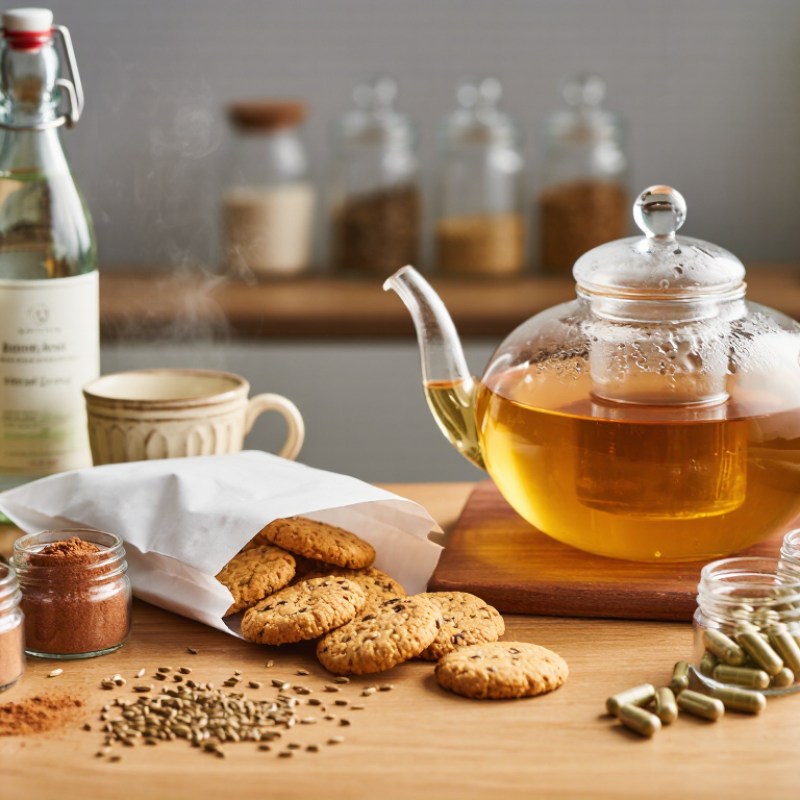
Milk-producing products are items marketed to support breast milk production, often called galactagogues. They include lactation teas, capsules, drink powders, snack bars, and specially prepared foods. Common ingredients may include oats, brewer’s yeast, fennel, or fenugreek. Their proposed effects differ. Some may support nutrition, hydration, or relaxation, while others may influence hormones linked with milk production.
However, these products do not replace regular milk removal. Breastfeeding or pumping sends the clearest signal to the body. A baby feeding frequently, or a pump used at consistent intervals, may matter more than a supplement. For example, a parent might drink a warm herbal beverage before pumping and feel more comfortable. Comfort can support let-down, but the drink itself may not increase supply.
Evidence is mixed, and product quality can vary. Labels may sound convincing, yet ingredient amounts and purity are not always consistent. Some herbs can cause allergies, stomach discomfort, or medication interactions. A lactation consultant or healthcare professional should review the product, especially during pregnancy or when treating diabetes, blood pressure problems, or thyroid conditions. I would also question sudden claims of dramatic results. A fuller bottle may reflect timing, hydration, or normal daily changes, not a proven effect.
What Are Milk-Producing Products and How Do They Work?
Milk-producing products are dairy foods made by processing milk through methods such as fermentation, separation, concentration, or drying. The chart compares their typical calcium content per 100 grams.
Values are approximate and can vary by recipe and processing method. Data is based on typical entries from USDA FoodData Central and standard food-composition tables.
How Milk Is Produced and Collected
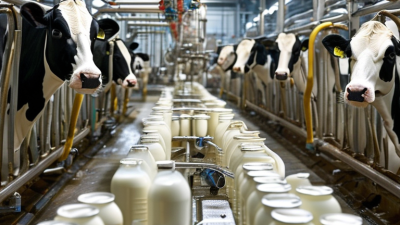
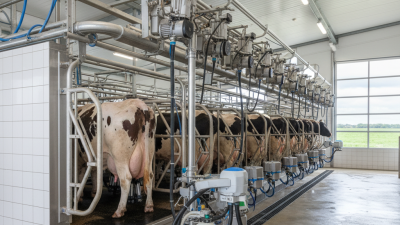
Milk production begins inside the cow’s udder, not inside the milking machine. After a calf is born, hormones stimulate mammary cells to produce milk from nutrients carried in the blood. The udder stores milk in small chambers before milking. Gentle handling matters because stress can slow milk release. On a well-managed farm, trained workers inspect each animal and clean the teats before attaching sanitized milking units. The equipment uses a controlled vacuum to draw milk through closed tubes. It should feel steady, not harsh.
Fresh milk leaves the udder warm, often close to body temperature. It moves quickly into a cooled tank, where refrigeration lowers its temperature and limits bacterial growth. Samples are checked for quality, including unusual appearance, cleanliness, and cell counts. Collection trucks use sealed containers and keep the milk cold during transport to a processing facility. Records connect each shipment with its farm and collection time. This traceability supports safer decisions when results look unusual.
Tips:
Keep the udder area clean and dry. Check hoses, seals, and filters often. Never ignore a strange smell or damaged equipment. The process sounds simple, but it is not perfectly uniform. Weather, feed, animal health, and machine settings can change milk flow. That is why careful observation still matters, even with modern equipment.
How Processing Turns Milk into Different Products
Milk becomes many products through controlled changes in heat, water, fat, and microbes. FAO’s Statistical Yearbook 2023 recorded roughly 750 million tonnes of cow milk production in 2021. That volume must be handled quickly. Raw milk is chilled near 4°C to slow bacterial growth before processing begins.
Pasteurization uses measured heat, not boiling. High-temperature, short-time treatment commonly reaches 72°C for 15 seconds. It reduces harmful microorganisms while preserving much of the milk’s original flavor. For longer storage, ultra-high-temperature processing uses temperatures above 135°C for a few seconds. The milk becomes shelf-stable when packed aseptically. It can taste slightly cooked. That trade-off is real.
Separating cream changes fat levels. Removing water creates concentrated milk and milk powder. Fermentation uses selected cultures to convert lactose into lactic acid, producing yogurt-like foods with a thicker texture. Churning gathers fat into butter, while adding enzymes and draining liquid forms cheese. The International Dairy Federation’s World Dairy Situation 2024 report highlights continuing growth in processed dairy consumption, especially in emerging markets. Processing also creates wastewater and energy demands. The industry tracks these losses, but the numbers are not always comparable across countries. More efficient equipment helps, yet no process is completely waste-free.
How Ingredients and Cultures Change Milk’s Properties
Milk-producing products are better understood as controlled changes in milk. A 2022 FAOSTAT estimate placed global milk production near 928 million tonnes. That scale matters because small processing choices affect millions of batches.
Milk begins near pH 6.6. Lactic-acid cultures consume lactose and release acid. As pH approaches 4.6, casein proteins lose stability and form a soft gel. This creates yogurt’s body and mild tang. Thermophilic cultures prefer warmer conditions, while mesophilic cultures work at cooler temperatures. Time, temperature, and culture balance remain critical. In pilot batches, a slight temperature increase can produce a sharper flavor and weaker texture. It is not always predictable.
Ingredients reshape the result further. More milk protein usually strengthens the gel and reduces whey separation. Calcium salts can support firmer curds during cheese production. Salt controls water movement, flavor, and microbial activity. Starch or pectin may improve thickness, but excessive stabilizer can create a pasty mouthfeel. The International Dairy Federation’s World Dairy Situation 2024 highlights continued growth in processed dairy demand, yet consumer expectations differ across regions. That makes one universal formula unrealistic. The Codex General Standard for Fermented Milks also recognizes that cultures and composition define product identity. Still, laboratory targets cannot fully replace sensory testing. A product may meet its specification and feel disappointing on a spoon.
How Milk-Producing Products Are Used and Stored
Milk-producing products can include breast pumps, collection shells, nursing supplements, and storage containers. They support milk expression or help protect collected milk. They do not create milk by themselves. Supply usually responds to frequent, effective milk removal. That detail matters.
Use a pump with clean hands and correctly fitted parts. Begin with a comfortable setting, then adjust suction slowly. Pain is not proof of better output. Label each container with the date and time. Refrigerate freshly expressed milk promptly, ideally at 4°C or below. A cooler with ice packs can hold it during travel. Keep containers toward the back of the refrigerator, not in the door. I once assumed the door was cold enough. It was not a reliable choice.
Follow current guidance from a qualified healthcare professional for exact storage limits. Room temperature and refrigerator performance can vary. In general, use chilled milk within several days and frozen milk within a few months for best quality. Thaw it in the refrigerator or warm water. Never microwave it. Swirl gently, since fat may separate. Discard leftover milk after feeding according to local clinical guidance. Wash pump parts after every use, then let them air-dry fully. Moisture trapped in narrow valves can encourage contamination. Replace cracked, cloudy, or damaged parts, even when they seem usable.